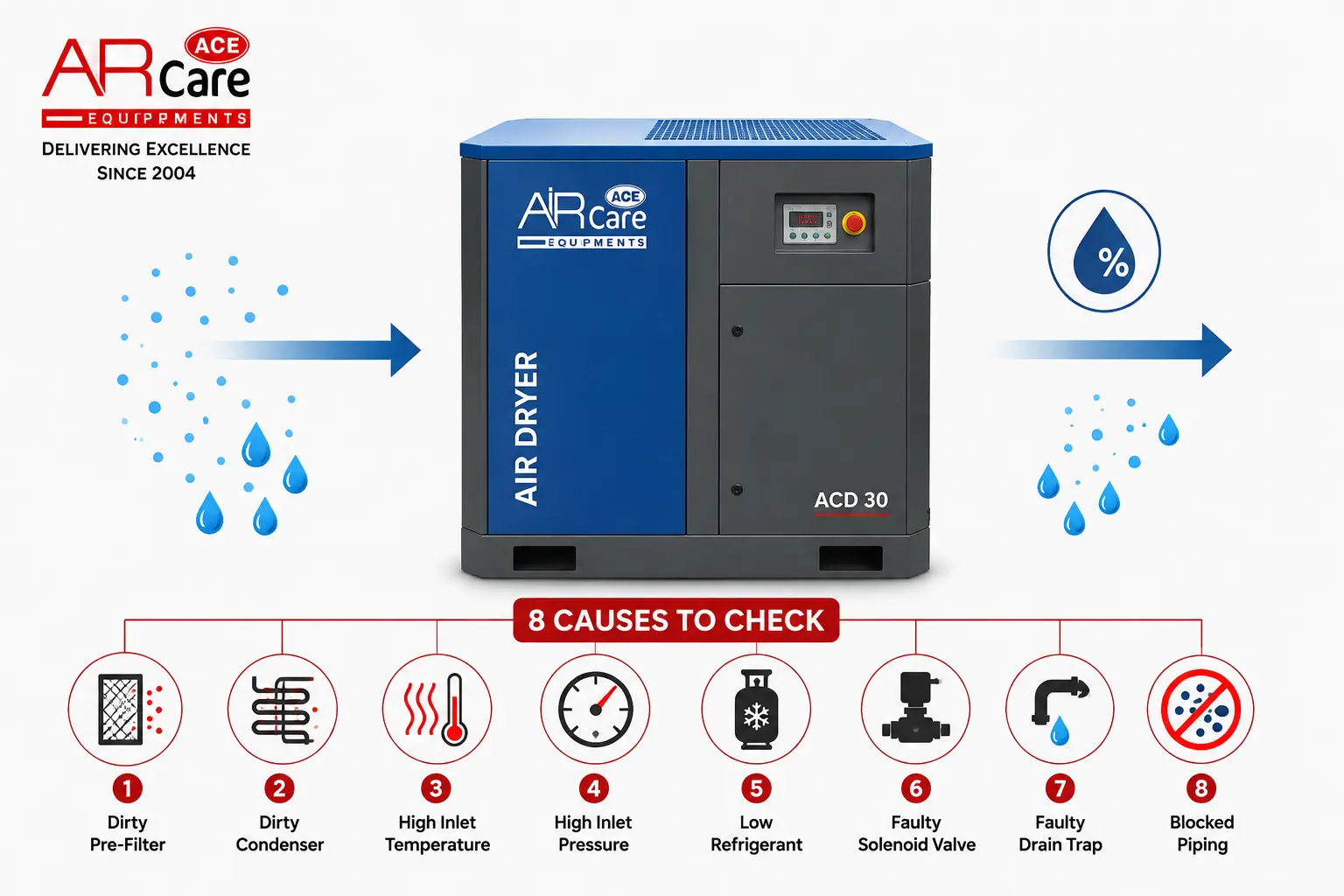
Air Dryer Not Reaching the Required Dew Point? 8 Causes to Check
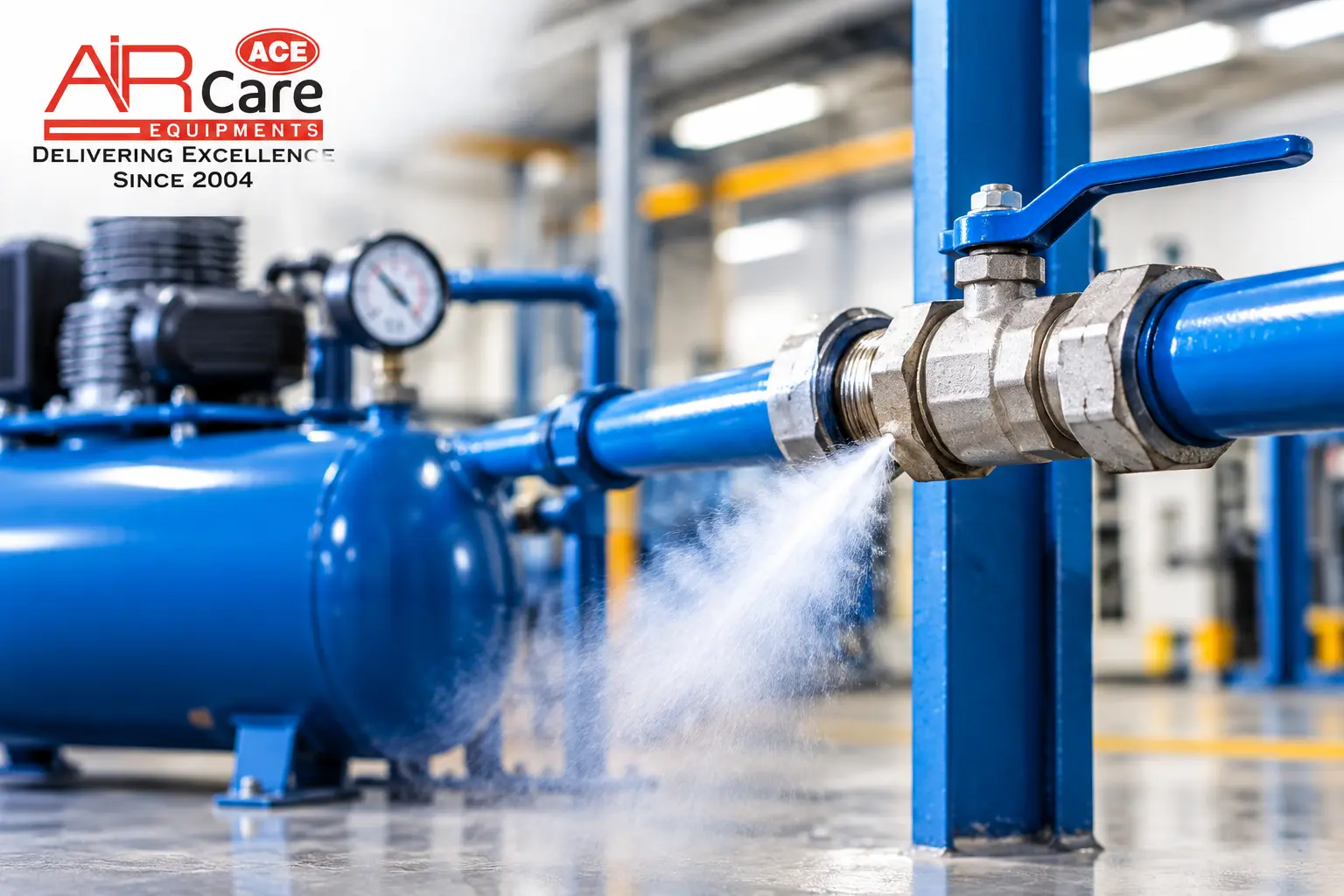
If you're noticing moisture in your compressed air lines, rust in the pipework, water droplets at the point of use, or damaged pneumatic components, there's a good chance your air dryer is not reaching the required dew point. This is one of the most common (and most costly) issues in compressed air systems, leading to corrosion, contaminated products, and unplanned downtime.
Dew point is the temperature at which moisture in compressed air begins to condense. When your dryer can't hold the dew point at spec, it means the air leaving your system is wetter than it should be — even if everything looks like it's running normally on the surface. In this guide, we break down 8 common causes behind a compressed air dryer dew point running high, along with practical checks and fixes for each.
What Is Dew Point in Compressed Air Systems? (Quick Primer)
In compressed air terms, dew point usually refers to the pressure dew point (PDP), the temperature at which moisture will condense out of the air while it's still under system pressure. This is different from atmospheric dew point, which is measured at normal outside pressure.
Most industrial applications require a PDP in the range of +3°C to -40°C depending on the ISO 8573-1 air quality class needed for the application. A rising dew point almost always signals a problem with the dryer itself or its supporting components — it's rarely just "seasonal" or "normal fluctuation." Left unaddressed, poor compressed air quality can damage tools, contaminate products in food and pharma applications, and shorten the life of downstream equipment.
Read More: Top 10 Air Compressor Manufacturers in India (2026 Buyer's Guide)
8 Causes Behind a High Air Dryer Dew Point
1. Oversized or Undersized Air Dryer
A dryer that doesn't match your compressor's actual output (measured in CFM/m⊃3;/min) will struggle to hit its rated dew point. An undersized dryer gets overwhelmed by airflow it wasn't built to handle, while an oversized dryer can cycle inefficiently and fail to maintain consistent performance.
Fix: Compare your dryer's rated capacity against your compressor's actual delivered air volume, not just its nameplate rating. Account for pressure and inlet temperature corrections, since dryer capacity ratings are typically based on specific reference conditions.
2. Clogged or Dirty Pre-Filters
Pre-filters protect the dryer from oil, dirt, and particulate carryover from the compressor. When they get clogged, airflow is restricted and pressure drop increases — reducing the dryer's ability to cool and dry air effectively.
Fix: Check filter differential pressure regularly and replace filter elements on a set schedule (typically every 3–6 months, more frequently in dusty or high-load environments).
Also Read: What Is an FRL? Complete Guide to Filter Regulator Lubricator
3. Low Refrigerant Charge (Refrigerated Dryers)
For refrigerated dryers, the refrigeration circuit is what cools incoming air to condense out moisture. A refrigerant leak or undercharge reduces cooling capacity, so the air never gets cold enough to reach the target dew point. This is one of the most frequent refrigerated air dryer problems reported in the field.
Fix: Have a qualified technician check refrigerant pressures and inspect for leaks at fittings, coils, and the compressor unit. Low suction pressure readings are a strong indicator of this issue.
4. Saturated or Degraded Desiccant (Desiccant Dryers)
In desiccant dryers, moisture is removed by adsorption onto a desiccant material (typically activated alumina or molecular sieve). Over time, desiccant beads break down, get contaminated by oil carryover, or simply reach the end of their functional life, all common desiccant air dryer issues that cause dew point to creep up.
Fix: Inspect desiccant condition during scheduled maintenance and replace it per the manufacturer's recommended interval (typically every 3–5 years, depending on operating conditions and oil contamination).
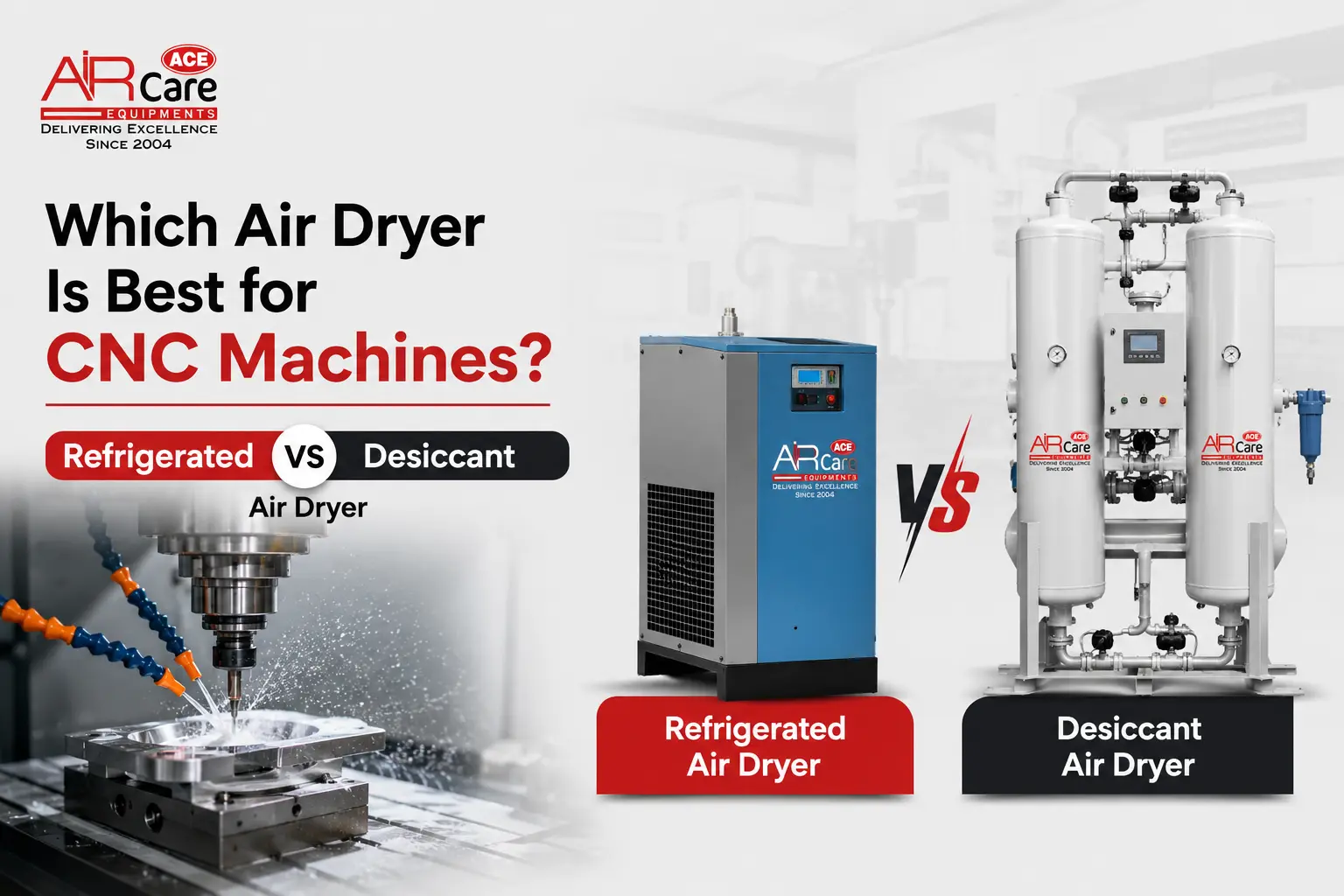
Also Read: Which Air Dryer Is Best for CNC Machines? Refrigerated vs Desiccant Air Dryer
5. Faulty or Miscalibrated Dew Point Sensor
Sometimes the dryer is performing fine, but the sensor reporting the dew point isn't. Sensor drift or contamination can produce falsely high readings, leading to unnecessary troubleshooting — or worse, masking a real problem if the sensor reads falsely low. Dew point sensor accuracy should always be one of the first things checked.
Fix: Cross-check readings with a calibrated portable dew point meter, and follow the sensor manufacturer's recommended calibration schedule (typically annually).
6. Incorrect Purge Air Setting (Desiccant Dryers)
Desiccant dryers regenerate one tower while the other dries air, using a portion of dried air (purge air) to strip moisture from the saturated desiccant bed. If the purge setting is too low, the desiccant doesn't fully regenerate between cycles, gradually losing its drying capacity.
Fix: Verify purge flow and cycle timing against the manufacturer's specification, and adjust if the dryer has been modified or is running outside its designed duty cycle.
Read More: Air Compressor Parts Explained: Names, Functions & Maintenance
7. High Inlet Air Temperature
Every air dryer has a maximum rated inlet temperature. When incoming air is hotter than the dryer is designed to handle, often due to a failing aftercooler or poor compressor room ventilation — the dryer simply can't extract enough heat to bring the dew point down to spec.
Fix: Check aftercooler performance and ensure adequate airflow/ventilation around the compressor and dryer installation area, especially during summer months.
8. Condensate Drain or Trap Malfunction
Even with a properly functioning dryer, a stuck-open or stuck-closed condensate drain can let moisture bypass the system or cause pressure losses that affect drying performance. A malfunctioning trap is an easy-to-miss cause of an air dryer not drying properly.
Fix: Test drains regularly for proper cycling and clean or replace any that are stuck, clogged, or leaking.
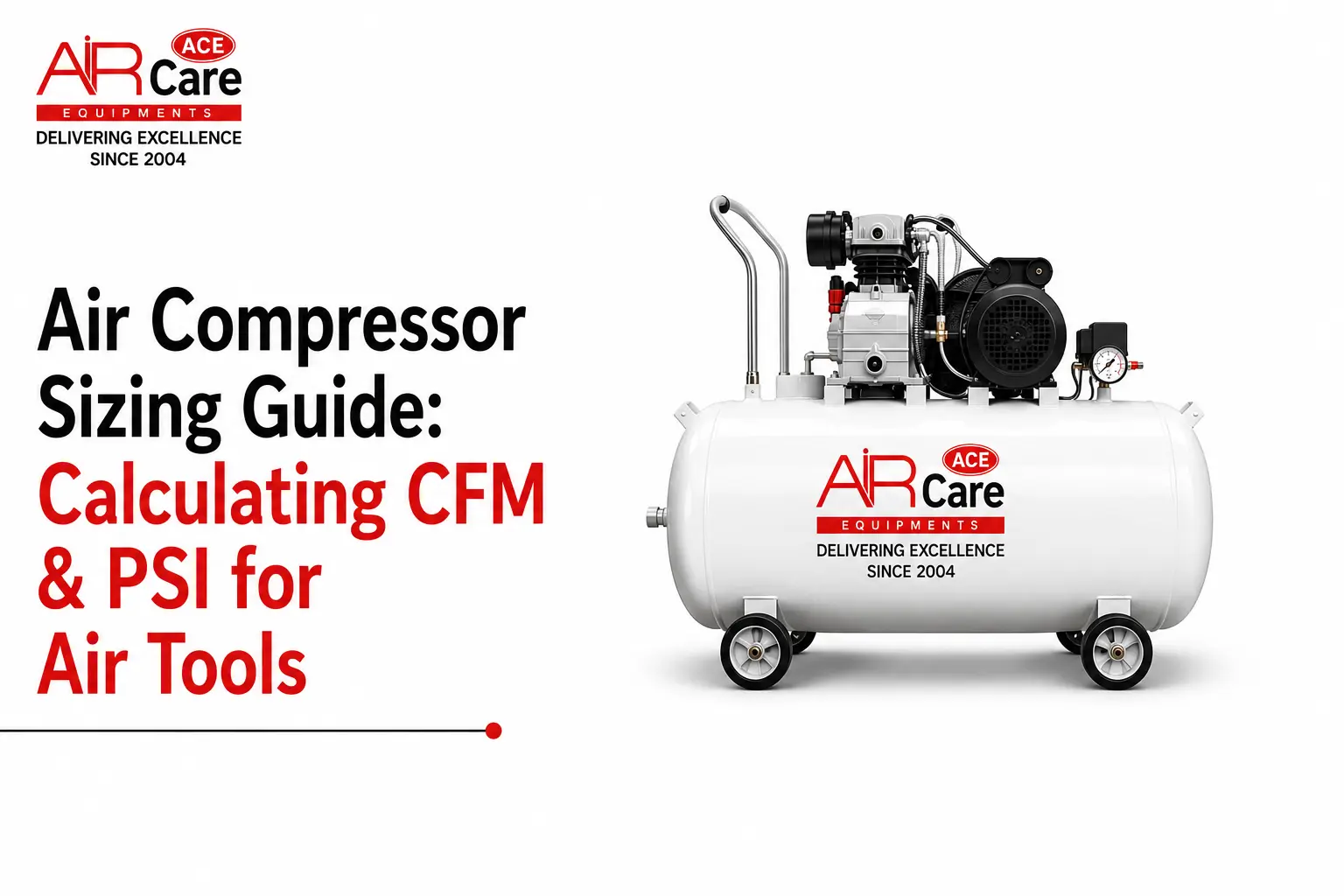
Read More: How to Size an Air Compressor for Your Tools & Applications | Air Care Equipment
How to Diagnose "Air Dryer Not Drying Properly" Issues Step-by-Step
When troubleshooting a compressed air dryer that isn't hitting its target dew point, work through checks in this order to isolate the issue efficiently:
|
Symptom |
Likely Cause |
Quick Check |
|
Dew point rises during hot weather |
High inlet temperature |
Check aftercooler and compressor room ventilation |
|
Dew point rises gradually over months/years |
Desiccant degradation or refrigerant leak |
Inspect desiccant condition / refrigerant pressure |
|
Dew point spikes suddenly |
Sensor fault or drain failure |
Cross-check with portable dew point meter, test drains |
|
Dew point high despite new components |
Incorrect sizing or purge setting |
Recalculate capacity vs. compressor CFM, verify purge flow |
|
Pressure drop across filters is high |
Clogged pre-filters |
Check differential pressure gauge, replace elements |
This basic compressed air dryer troubleshooting sequence — inlet temperature, filters, sensor accuracy, desiccant/refrigerant condition, and drains — covers the majority of dew point complaints reported by plant maintenance teams.
Preventive Maintenance Tips to Avoid Dew Point Issues
Most causes of a high dew point are preventable with a consistent maintenance routine. A few practical air dryer maintenance tips:
-
Filters: Replace pre-filters and after-filters on schedule, not just when pressure drop becomes noticeable
-
Desiccant: Track desiccant age and inspect condition during annual service visits
-
Refrigerant: Schedule periodic leak checks, especially on older refrigerated units
-
Sensors: Calibrate dew point sensors annually against a certified reference
-
Drains: Test and clean condensate drains monthly, or install a no-loss drain to reduce failure points
-
Logs: Keep a maintenance log of dew point readings over time to catch gradual drift before it becomes a failure
Read More: Air Compressor Maintenance Guide | Checklist & Service Tips 2026
When to Call a Professional or Consider Replacement
If you've checked filters, drains, and sensor calibration and the dew point is still out of spec, it's time to bring in a qualified technician for refrigerant, desiccant, or capacity-sizing diagnostics. Persistent underperformance, especially in an older dryer, can also be a sign that the unit has reached the end of its efficient service life, and replacement may be more cost-effective than repeated repairs.
At Aircareequipment.co.in, we supply and service both refrigerated and desiccant compressed air dryers built to maintain consistent dew point performance across industrial applications. If your system is struggling to hit spec, our team can help diagnose the issue or recommend the right dryer for your compressor's actual load.
Conclusion
Maintaining the correct dew point is vital to protect your compressed air system from costly downtime, equipment damage, and product contamination. While a rising dew point can stem from clogged filters, degraded desiccant, or incorrect sizing, most issues are entirely preventable with proactive maintenance. By regularly checking filters, sensors, and drains, you can ensure optimal performance. If troubleshooting isn't enough, contact Aircareequipment.co.in for expert diagnostics or a reliable new dryer tailored to your specific application needs.
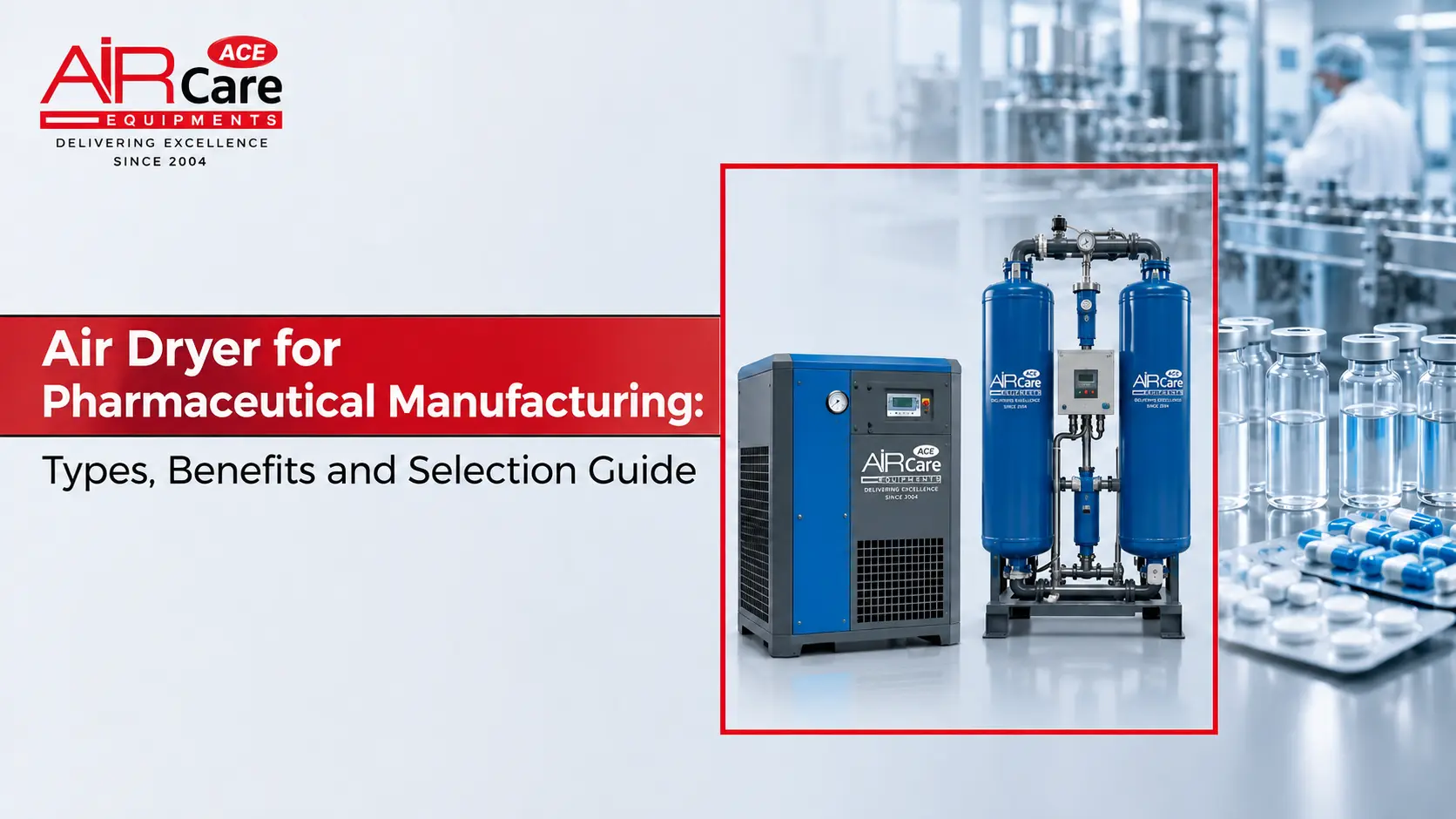
Also Read: Air Dryer for Pharmaceutical Manufacturing: Types, Benefits & Guide (2026)
FAQs
Q1: What is a good dew point for compressed air?
It depends on the application, but a pressure dew point of +3°C to +10°C is typical for general industrial use, while critical applications (pharma, electronics, food-grade air) often require -40°C or lower.
Q2: Can a high dew point damage equipment?
Yes. Excess moisture causes corrosion in pipework and tools, contaminates products in sensitive processes, and can lead to freezing in outdoor lines during cold weather.
Q3: How often should desiccant be replaced?
Typically every 3–5 years, though this varies based on oil contamination, cycle frequency, and operating conditions. Regular inspection is the best way to judge actual condition.
Q4: Why does my dryer work fine in winter but not summer?
This usually points to high inlet air temperature — the dryer's cooling capacity can't keep up when ambient and compressor discharge temperatures rise, which is a common seasonal cause of dew point issues.
Recent Posts