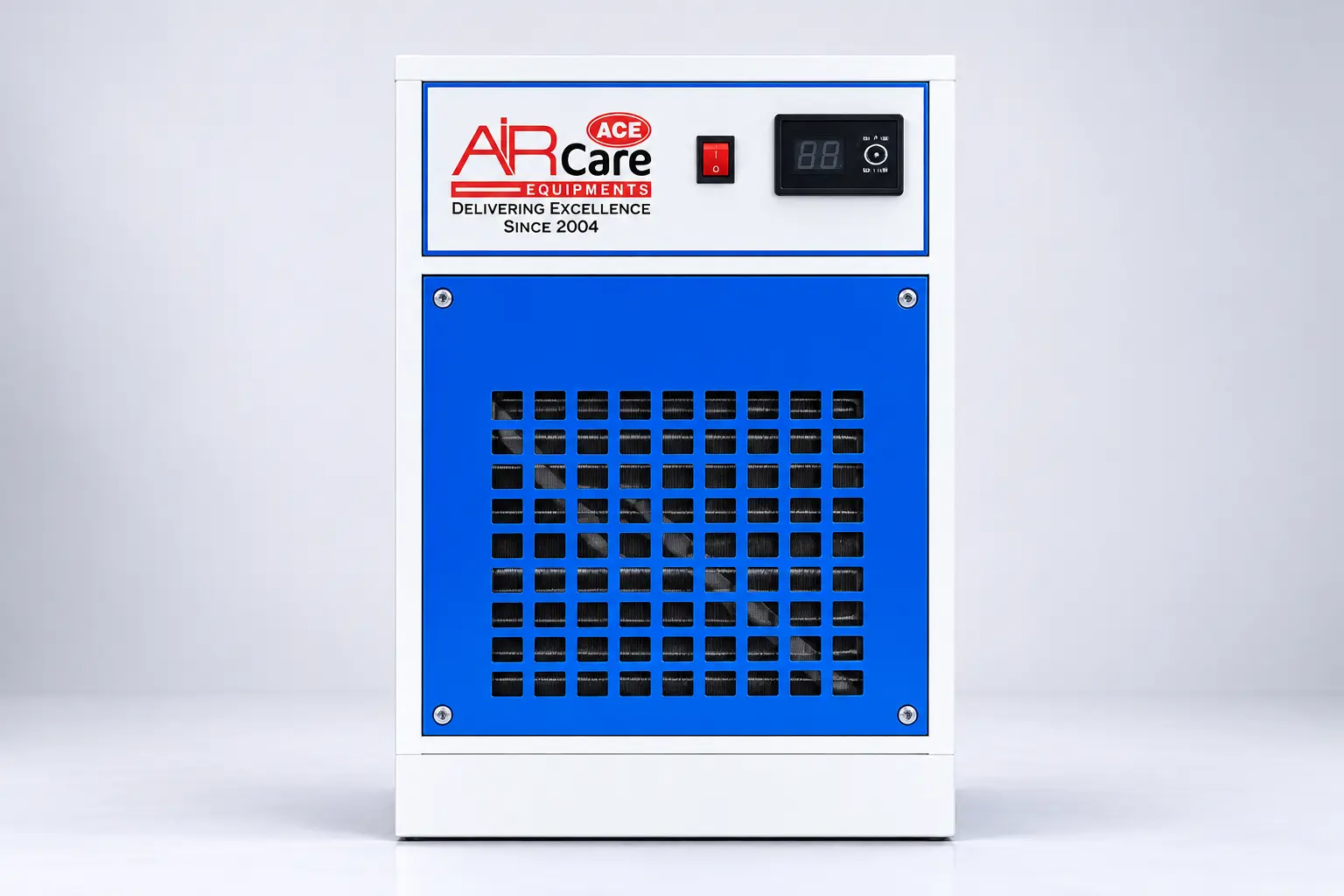
What Is an Air Dryer? How It Works and Why It Is Used in Compressed Air Systems
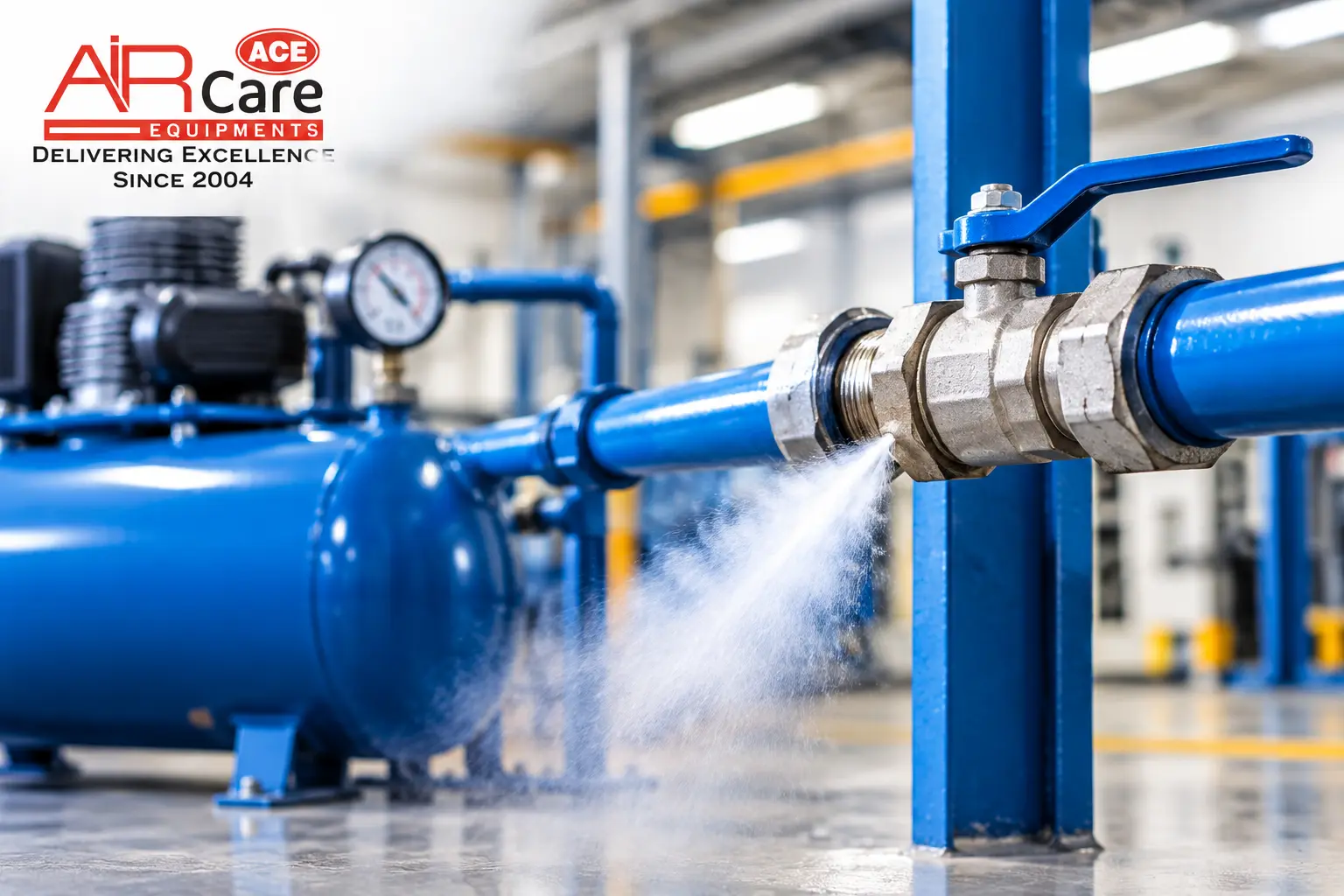
Compressed air is widely used in factories, workshops, and industrial machines. However, the air taken in by a compressor contains moisture. When this air is compressed and later cools down, water vapour can turn into liquid water. This moisture can cause rust in pipelines, damage pneumatic tools, and affect product quality.
An air dryer helps solve this problem by removing excess moisture from compressed air before it reaches the equipment. Different drying technologies, such as refrigerated, desiccant and membrane systems, are used to achieve the required level of dryness.
Choosing the right compressed air dryer depends on factors such as airflow, operating pressure, inlet temperature, and required pressure dew point. In this guide, we explain how an air dryer works, its main types, industrial uses, benefits, and maintenance requirements so you can understand which system is suitable for your application.
Quick Answer
An air dryer removes water vapor from compressed air to reduce moisture-related problems in pipes, tools, and industrial equipment. Depending on its design, it uses cooling, desiccant material, or membrane technology. The correct dryer depends on the required pressure dew point, airflow, and operating conditions.
Key Takeaways
- Compressed air contains moisture from the surrounding air.
- An air dryer removes moisture before it reaches machines.
- Refrigerated, desiccant, and membrane dryers use different methods.
- The right dryer depends on airflow and the required dryness.
- Regular service helps the dryer work well.
- An Industrial Air Dryer helps reduce water-related damage.
What Is an Air Dryer?
An Air Dryer is a machine that removes moisture from compressed air. It is used in many factories and workshops.
An air compressor takes air from the surroundings. It then squeezes the air to increase its pressure. This process also heats the air.
The air cools as it moves through the system. When it cools, some water vapour turns into liquid water. This water can enter air pipes and reach machines.
Too much water can cause rust. It can also damage tools and affect product quality.
An Air Dryer Machine removes much of this moisture. It helps supply dry air to machines and tools.
Different jobs need different levels of dry air. A small workshop may need one type of dryer. A food factory may need another. So, always choose a dryer based on your work.
Why Does Compressed Air Contain Moisture?
Air around us contains water vapour. The amount changes with the weather.
A compressor takes in this moist air. It then increases the air pressure. This also raises the air temperature.
When the hot air cools, some water vapour turns into liquid. This water can collect in:
-
Air tanks
-
Air pipes
-
Filters
-
Valves
-
Air tools
-
Machines
A moisture separator removes liquid water from the air. But it cannot remove all water vapour.
The remaining vapour can condense as the air cools again. An air dryer helps remove more of this moisture.
Read More: Air Dryer Not Reaching Dew Point? 8 Causes & Fixes
How Does an Air Dryer Work?
An Air Dryer removes moisture before the air reaches the final equipment. The exact process depends on the dryer type.
Most systems follow these steps:
-
Air intake: The compressor takes in air from the surroundings.
-
Compression: The compressor increases the air pressure.
-
Cooling: An aftercooler reduces the hot air temperature.
-
Water removal: A separator removes liquid water.
-
Drying: The air enters the dryer to remove more moisture.
-
Air supply: The dry air moves through pipes to the machines.
One important term is pressure dew point. It indicates when water vapour will condense into liquid water at the operating pressure.
A lower pressure dew point means drier air. The required value depends on the work and the equipment.
What Are the Main Types of Air Dryers?
Three common types of dryers exist. These are refrigerated, desiccant, and membrane dryers.
Each type works differently. Each one also suits different jobs.
1. Refrigerated Air Dryer
A refrigerated air dryer cools the compressed air. This makes water vapour turn into liquid water.
A separator collects the water. A drain then removes it from the dryer. Some models warm the dry air before it leaves the unit. This helps stop water from forming in the air pipes.
Advantages:
-
It suits many factories and workshops.
-
It uses a simple and common drying method.
-
It suits many general uses.
-
Its regular service needs are easy to manage.
Limitations:
-
It cannot provide very dry air for every process.
-
It needs electricity to run the cooling system.
-
Very hot inlet air can affect its performance.
Common uses: Workshops, car factories, general production units, and air tools.
2. Desiccant Air Dryer
A desiccant air dryer uses a special material to absorb water vapour. Common materials include silica gel and activated alumina.
Many models have two drying towers. One tower dries the air. The other tower removes the water collected in its drying material.
The two towers then change roles. This lets the dryer keep running.
Advantages:
-
It can provide very dry air.
-
It suits jobs that need strong moisture control.
-
It can help stop water from freezing in cold air lines.
-
Different models suit different needs.
Limitations:
-
It may cost more than a refrigerated dryer.
-
Some models use compressed air to remove moisture from the drying material.
-
The drying material needs regular checks.
-
Poor sizing can waste energy.
Common uses: Medicine factories, food plants, laboratories, and instrument air systems.
3. Membrane Air Dryer
A membrane dryer uses special fibres to remove water vapour.
Wet air passes through these fibres. Water vapour moves through the fibre walls and leaves the system. The drier air then moves to the machine.
Advantages:
-
It has a compact design.
-
It has no normal cooling system.
-
It makes very little noise.
-
It suits small drying jobs.
Limitations:
-
It may not suit large air systems.
-
Some compressed air is used during drying.
-
It needs proper filters before the dryer.
-
Performance depends on working conditions.
Common uses: Small air tools, laboratories, and special production machines.
Air Dryer Types: Quick Comparison
|
Feature |
Refrigerated |
Desiccant |
Membrane |
|
How it works |
Cools the air |
Absorbs moisture |
Separates water vapour |
|
Drying level |
Moderate |
Very high |
Depends on Model |
|
Main need |
Electricity |
Regeneration |
Air for moisture removal |
|
Best Use |
General Industry |
Very dry air |
Small air systems |
The best dryer depends on your work. Check the airflow, working pressure, and required dryness before you buy one.
Why Is an Air Dryer Used in Compressed Air Systems?
Water in compressed air can cause many problems. A suitable Compressed Air Dryer helps reduce these risks.
1. It Helps Protect Air Pipes
Water can cause rust inside air pipes. Rust may damage pipes, joints, and valves.
Dry air helps reduce this risk. It also helps keep the air system in better condition.
2. It Helps Protect Air Tools
Air tools need a steady supply of compressed air. Water can affect their inner parts.
An air compressor dryer supplies drier air to these tools. This can reduce water-related wear and faults.
3. It Helps Maintain Product Quality
Some factory jobs need dry air. Water can affect paint, surface finishing, and packaging.
Dry air helps reduce water marks and other moisture problems. Some sensitive jobs may also need special filters.
4. It Helps Reduce Repair Work
Water can collect in pipes, filters, and machines. This may lead to rust and blockages.
An Industrial Air Dryer removes moisture before it reaches these parts. This can help reduce repair work and service needs.
5. It Helps Keep Production Running
A machine problem can stop factory work. Moisture can cause these problems.
A suitable dryer helps reduce this risk. Good filters, drains, and regular service are also important.
Also Read: Air Dryer for Pharmaceutical Manufacturing: Types, Benefits & Guide (2026)
What Happens If Compressed Air Is Not Dried?
Using compressed air without proper moisture control can create problems in industrial systems. Water can collect inside pipes, tanks and equipment.
Common problems include:
-
Pipe corrosion: Moisture can cause rust inside metal air pipes.
-
Tool damage: Water can affect pneumatic tools and their moving parts.
-
Poor paint quality: Moisture can create marks and defects during spray painting.
-
Product contamination: Water can affect processes that need controlled air quality.
-
Production problems: Water in air lines can cause equipment faults and interruptions.
A suitable compressed air dryer helps reduce these moisture-related risks. The required drying level depends on the application and operating conditions.
What Is the Difference Between an Aftercooler and an Air Dryer?
An aftercooler and an air dryer both help control moisture in compressed air, but they perform different jobs.
An aftercooler reduces the temperature of hot compressed air. This causes some water vapour to turn into liquid water, which a moisture separator can remove.
An air dryer removes additional water vapour to achieve the required pressure dew point.
|
Feature |
Aftercooler |
Air Dryer |
|
Main purpose |
Cools compressed air |
Reduces moisture |
|
Working method |
Heat exchange |
Cooling, desiccant or membrane technology |
|
Water removal |
Helps remove condensed liquid water |
Removes additional moisture |
|
Main benefit |
Reduces air temperature and water load |
Supplies air at the required dryness |
Both components often work together in industrial compressed air systems.
What Is Pressure Dew Point in an Air Dryer?
Pressure dew point (PDP) is the temperature at which water vapour in compressed air starts turning into liquid water at the operating pressure.
For example, a standard refrigerated air dryer may provide a pressure dew point of around +3°C under specified operating conditions. A desiccant dryer can achieve a much lower pressure dew point when the application requires very dry air.
A lower pressure dew point means less moisture remains in the compressed air. Always select a dryer based on the required air quality and actual operating conditions.
Where Are Industrial Air Dryers Used?
Many industries use compressed air every day. They use dryers to control moisture and protect their equipment.
Common uses include:
-
Automotive industry: Air dryers support paint work, assembly, and air tools.
-
Food industry: Dry air supports production and packing.
-
Medical industry: Some processes need clean, dry air.
-
Textile industry: Dry air helps protect air-powered machines.
-
Engineering industry: Dryers help protect tools, valves, and machines.
-
Electronics industry: Some production jobs need good moisture control.
-
Chemical industry: Dry air supports plant tools and control systems.
Each industry has its own needs. Check the air quality rules for your process before choosing a dryer.
How to Choose the Right Air Dryer for Your Compressor
Choosing the right air dryer machine matters. A small dryer may not handle enough air. A very large dryer may cost more to buy and run.
Check these points before you choose.
1. Check the Required Dryness
First, find out how dry your air needs to be.
A general workshop may use a refrigerated dryer. A process that needs very dry air may need a desiccant dryer.
2. Check the Air Flow
The dryer must handle the air your compressor supplies.
Check the dryer's rated airflow. Also check the working pressure and inlet temperature. Do not choose a dryer based only on compressor size.
3. Check the Air Temperature
Hot air carries more water vapour. This can increase the dryer load.
Check the highest inlet temperature allowed by the dryer maker. An aftercooler can also help lower the air temperature.
4. Check the Working Pressure
The working pressure can affect dryer capacity. Make sure the dryer suits your air system.
5. Check the Running Cost
Do not look only at the buying price. Check the power use, service cost, and air loss.
Some desiccant dryers use compressed air to clean the drying material. This can increase running costs.
6. Check the Space
Measure the space before buying. Leave enough room for pipes, airflow, and service work.
Also check the drain point and the space needed to change filters.
Read More: 4 Types of Air Compressors: How to Choose the Right One
What Maintenance Does an Air Dryer Need?
Regular service helps an Air Dryer work well. It can also help find small problems before they affect production.
Follow the manufacturer's service guide.
-
Check drains: Make sure water leaves the dryer.
-
Check filters: Change filter parts when needed.
-
Clean cooling parts: Dust can reduce cooling in refrigerated dryers.
-
Check dew point: A sudden change may show a problem.
-
Check desiccant: Replace the drying material when required.
-
Check air leaks: Fix leaks to reduce air waste.
-
Check alarms: Do not ignore warning signs.
Use a trained technician for electrical, cooling, and pressure-related repairs.
Final Thoughts
An Air Dryer removes extra moisture from compressed air. It helps protect pipes, tools, and machines. It can also help maintain product quality and reduce water-related problems.
A refrigerated dryer suits many general jobs. A desiccant dryer is useful when very dry air is needed. A membrane dryer can suit small air systems.
Before buying an Air Compressor Dryer, check the airflow, pressure, temperature, and required dryness. Also compare its power use and service needs.
For help with compressed air equipment, contact Air Care Equipment. Share your system details and choose a dryer that suits your work.
Frequently Asked Questions
Q1. What is an air dryer used for?
An Air Dryer removes extra moisture from compressed air. It helps protect air pipes, tools, and machines from water-related damage.
Q2. How does an air dryer work?
It removes moisture by cooling the air, absorbing water vapour, or using a special membrane. The method depends on the dryer type.
Q3. Which air dryer is best for industrial use?
A refrigerated dryer suits many general jobs. A desiccant dryer suits work that needs very dry air. The right choice depends on your process.
Q4. What is the difference between an air dryer and an air filter?
An air filter removes dust and other particles. An Air Dryer removes moisture. Many air systems need both.
Q5. Does every air compressor need a dryer?
Not every job needs one. However, many compressed air systems use a dryer to control moisture and protect equipment.
Q6. What does pressure dew point mean?
It is the temperature at which water vapour turns into liquid at the working pressure. A lower value means drier air.
Q7. How often should an air dryer be serviced?
It depends on the dryer type and how often it runs. Check the drains and filters often. Follow the manufacturer’s service guide.
Recent Posts