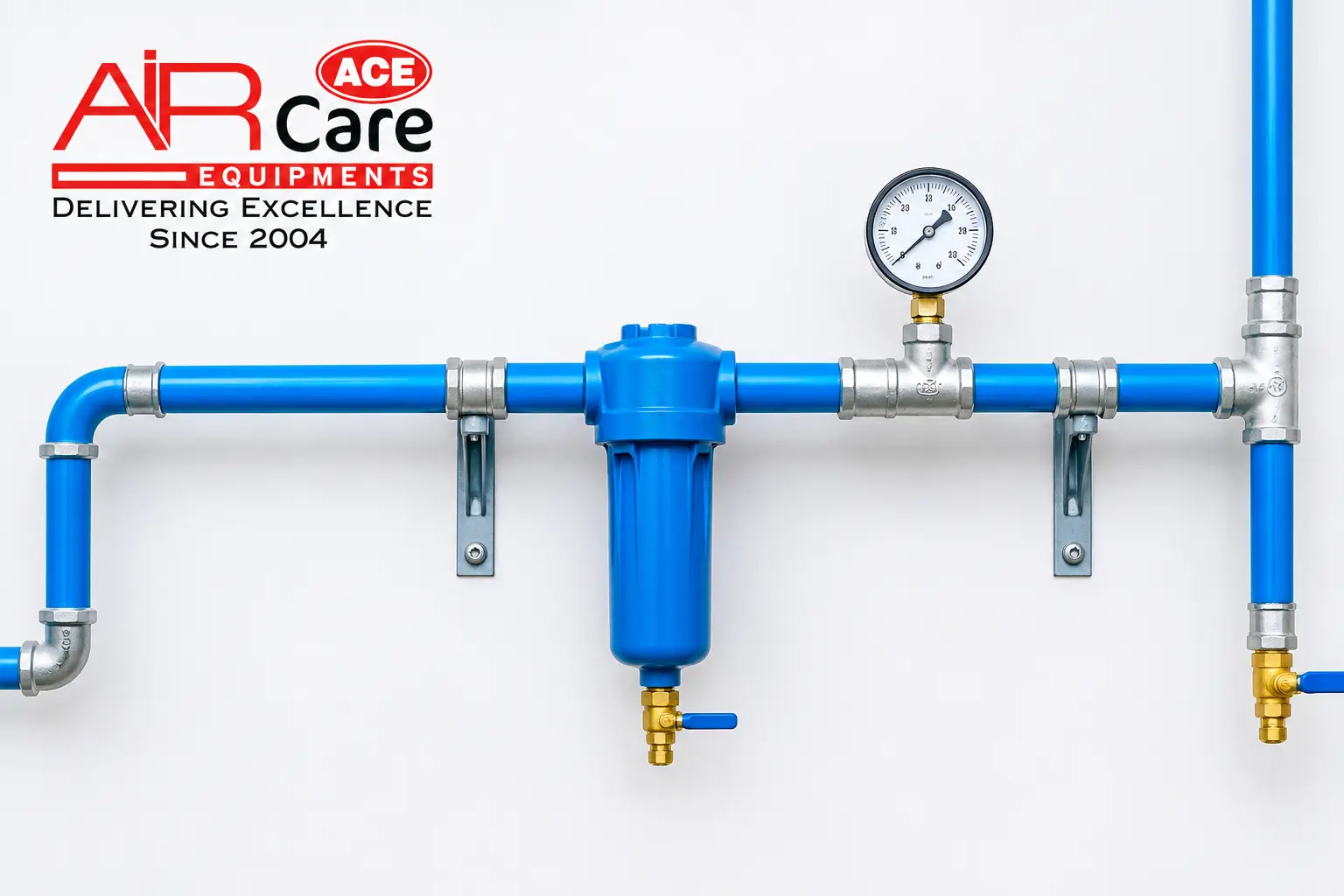
Compressed Air Piping: Types, Benefits and Industrial Applications
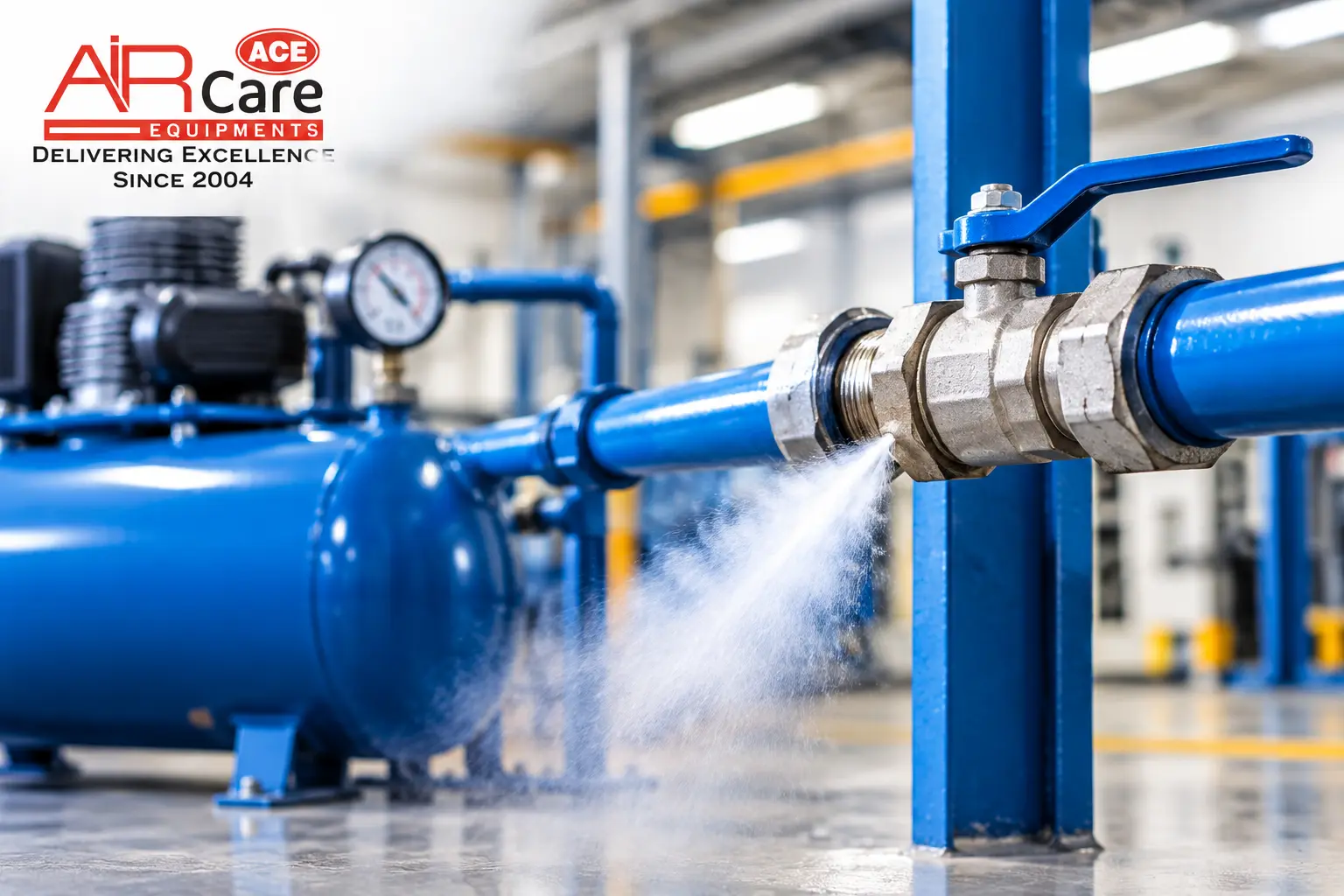
Compressed air piping is an important part of an industrial compressed air system. It carries compressed air from the compressor and air treatment equipment to machines, tools, and production points. A poorly designed piping network can cause pressure loss, air leaks, uneven airflow, and higher operating costs. The right pipe material, size, fittings, layout, and installation method can help maintain reliable air delivery across the facility.
This guide explains the main types of compressed air piping, common materials, pipe fittings, pressure drop, installation practices, maintenance, and industrial applications. It also explains how to select a suitable piping system based on airflow, working pressure, air quality, installation conditions, and future expansion.
Quick Answer
Compressed air piping is the network of pipes, valves, fittings, and connections that carries compressed air from a compressor to machines and tools. A properly designed system helps control pressure loss, reduce air leaks, and deliver the required airflow to each point of use. Common materials include aluminium, stainless steel, copper, and suitable steel piping. The right choice depends on airflow, working pressure, pipe length, air quality, installation conditions, and future expansion.
Key Takeaways
-
Choose pipes based on air demand and working pressure.
-
Aluminium Air Pipe is light, rust-resistant, and easy to install.
-
Good Compressed Air Pipe Fittings help prevent air leaks.
-
The right pipe size helps control pressure loss.
-
Compressed Air Dryer Pressure Drop can affect machine performance.
-
Regular checks help keep your system safe and reliable.
What Is Compressed Air Piping?
Compressed air piping moves air from a compressor to machines and tools. It is an important part of many factories.
A typical system has three main parts:
-
Air compressor: It produces compressed air.
-
Air treatment equipment: It removes moisture and unwanted particles.
-
Piping network: It carries the air to machines and tools.
Many industries use compressed air every day. It can run pneumatic tools, packaging machines, and automatic equipment.
Poor piping can cause air leaks and pressure loss. Machines may then receive less air than they need. This can slow down work and increase energy costs.
Well-designed compressed air piping systems help deliver air where it is needed. They can also make future changes easier.
Read More: 4 Types of Air Compressors: Which Is Right for Your Project?
What Are the Main Types of Compressed Air Piping?
The right pipe material depends on your factory's needs. Before choosing a pipe, check the working pressure, air quality, cost, and installation needs.
|
Pipe Material |
Main benefits |
Points to check |
|
Aluminium |
Light, rust-resistant, easy to install |
Pressure rating and fitting match |
|
Stainless steel |
Strong and corrosion-resistant |
Higher cost |
|
Copper |
Smooth inner surface and good corrosion resistance |
Correct joining method |
|
Galvanished steel |
Widely available |
Rust may form at joints or inside the pipe |
|
Black steel |
Used in many industrial systems |
Can rust and needs more care |
Do not choose a pipe based on price alone. Every pipe, valve, joint, and connector must be suitable for compressed air.
Safety tip: Do not use ordinary PVC plumbing pipes for compressed air unless the product is specifically approved for that use. Compressed air stores energy. An unsuitable pipe can break and cause serious injury.
Why Choose Aluminium Air Pipe?
An Aluminium Air Pipe is a popular choice for many factories. It is light and easy to handle. It also resists rust.
Here are its main benefits.
-
Easy to install: Workers can move and fit lightweight pipes more easily.
-
Less risk of rust: Aluminium resists corrosion better than ordinary steel.
-
Smooth airflow: A smooth inner surface can help reduce friction.
-
Easy to expand: Some modular systems make it simple to add new outlets.
-
Less maintenance: Corrosion resistance can reduce the need for repairs.
However, aluminium is not right for every system. Check the pressure rating and temperature limits before you buy. Make sure the pipes and fittings work together.
What Are the Benefits of Good Compressed Air Piping Systems?
A good piping system can help a factory save energy and avoid delays. Here are five key benefits.
1. Better Air Pressure
Air loses pressure as it moves through pipes and fittings. Too many bends or undersized pipes can increase this loss.
The right pipe size helps air reach machines at the required pressure. This supports smooth and steady operation.
2. Lower Energy Costs
Air leaks waste energy. Pressure loss can also force a compressor to work harder.
A well-designed system helps reduce these problems. Regular leak checks can save energy over time.
3. Cleaner Air
Water, oil, and dirt can enter a compressed air system. These materials may damage tools and machines.
A suitable dryer and filters help remove unwanted moisture and particles. The right setup depends on your process's air quality needs.
4. Fewer Machine Problems
Wet or dirty air can damage valves, cylinders, and pneumatic tools. Clean, dry air helps protect these parts.
Good piping also makes the system easier to inspect and maintain.
5. Easy System Expansion
Factories may add new machines as production grows. A well-planned system can make this change easier.
Plan for future air demand from the start. This can help avoid costly changes later.
Read More: What Is an Air Receiver? Functions, Types & Sizing Guide
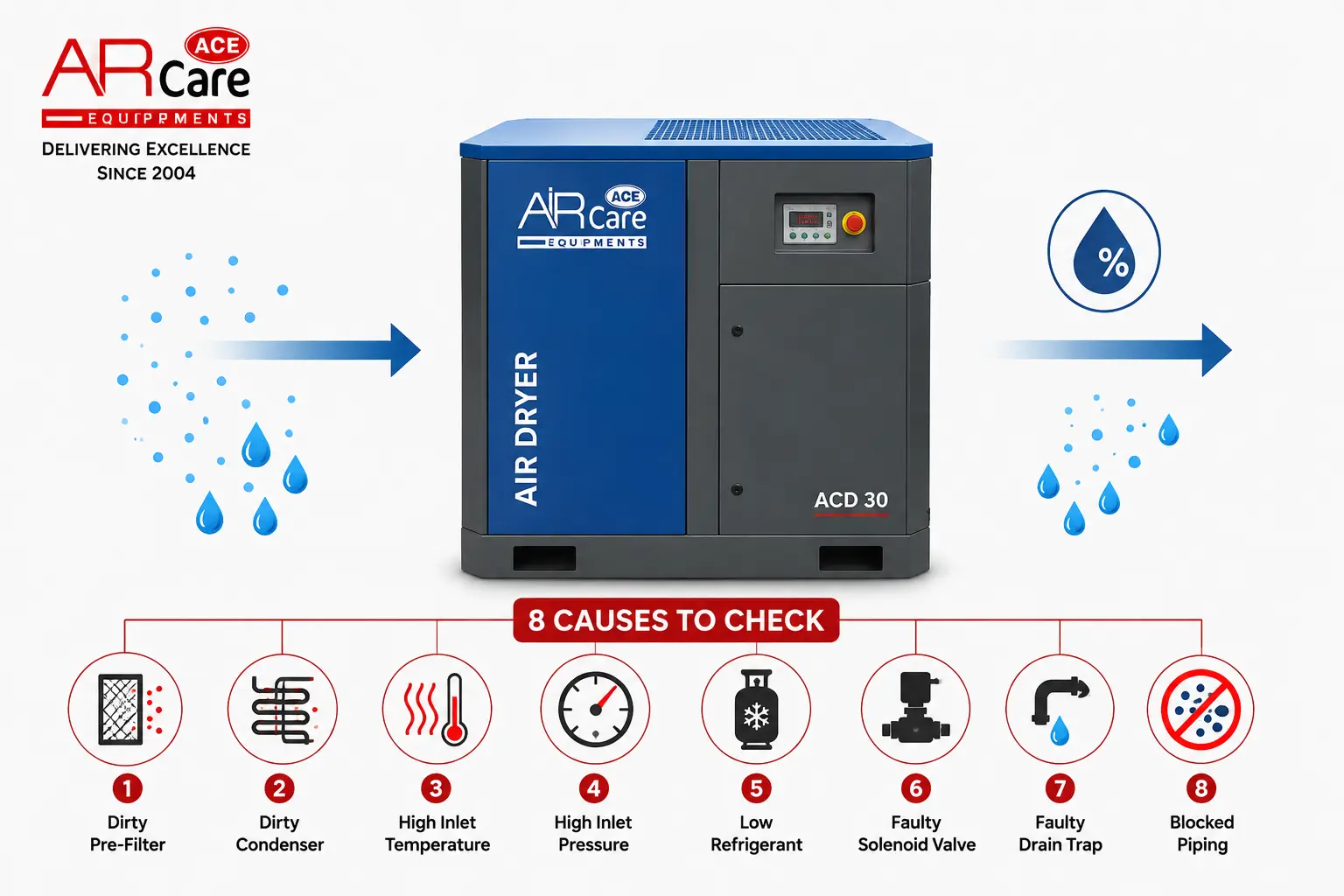
What Is Compressed Air Dryer Pressure Drop?
Compressed air dryer pressure drop is the reduction in air pressure that occurs as compressed air passes through a dryer. Some pressure loss is normal, but excessive pressure drop can reduce the pressure available at the point of use.
Dryer pressure drop can be affected by airflow, operating pressure, dryer design, filter condition, and whether the dryer is correctly sized for the application.
How Can You Reduce Compressed Air Dryer Pressure Drop?
You can reduce unnecessary pressure loss by:
-
Selecting a dryer that matches the required airflow.
-
Checking the manufacturer's pressure-drop specifications.
-
Keeping filters clean and replacing them according to the service requirement.
-
Checking condensate drains.
-
Measuring pressure before and after the dryer.
-
Inspecting the complete compressed air system if pressure loss remains high.
Do not increase compressor pressure automatically when a machine receives insufficient air. First check for leaks, undersized piping, blocked filters, dryer pressure drop, or other restrictions in the system.
How to Plan Compressed Air Piping Installation
Good Compressed Air Piping Installation starts with careful planning. These six steps can help you avoid common problems.
Step 1: Check Air Demand
List all machines that use compressed air. Check how much air each machine needs. Also note the required working pressure.
Think about how many machines may run at the same time.
Step 2: Choose the Right Pipe Size
Pipe size affects airflow and pressure loss. A pipe that is too small may not supply enough air. A pipe that is larger than needed may raise the initial cost.
Ask a qualified professional to calculate the right size.
Step 3: Plan the Pipe Route
Keep the pipe route as simple as possible. Avoid extra bends and long runs where you can.
Also consider where future machines may be placed. A ring-main layout may suit some large factories, but the right design depends on the site.
Step 4: Select Good Fittings
Use suitable Compressed Air Pipe Fittings for every connection. Check that the fittings match the pipe material and pressure rating.
Loose or poor-quality joints can leak air. Follow the manufacturer's instructions when fitting and sealing each joint.
Step 5: Add Air Treatment Equipment
Install the dryer, filters, and drains your system needs. Choose them based on the required air quality.
Some processes need cleaner and drier air than others. Food and pharmaceutical operations may have stricter needs.
Step 6: Test the System
Check the system before using it. Look for leaks, loose supports, and damaged fittings. Check pressure and confirm that valves and drains work properly.
Follow the correct safety steps during testing.
What Is a Pneumatic Piping System?
A Pneumatic Piping System supplies compressed air to equipment that uses air pressure to do work. Many factories use these systems to move parts, operate tools, and control machines.
A typical system may include:
-
Main air pipes
-
Branch pipes
-
Valves and regulators
-
Air filters and dryers
-
Pressure gauges
-
Hoses and quick connectors
Each part has a clear job. Pipes carry the air. Regulators control pressure. Filters help remove unwanted particles.
The right setup depends on the machines and the air quality they need.
Read More: Air Compressor Maintenance Guide: Checklist & Schedule
Industrial Applications of Compressed Air Piping
Many industries use compressed air. A reliable piping system helps supply machines with the air they need.
|
Industry |
Common Uses |
Why good piping matters |
|
Automative |
Air tools and assembly lines |
Helps maintain steady pressure |
|
Food and beverage |
Packaging equipment |
Air quality must suit the process |
|
Pharmaceuticals |
Production and control equipment |
Moisture and dirt must be controlled |
|
Textiles |
Pneumatic tools and machines |
Helps support steady production |
|
Electronics |
Automated equipment |
Air quality may need close control |
|
General manufacturing |
Tools, cylinders, and machines |
Helps reduce delays |
Factories across India have different needs. The right system depends on the site, equipment, and production process. Sensitive industries must also follow the air-quality rules that apply to their work.
How to Maintain Your Compressed Air Piping System
Regular checks can help you find problems early. Use this simple checklist.
-
Check for leaks: Listen for escaping air and investigate unusual compressor run time.
-
Measure pressure: Check pressure near the compressor and at key machines.
-
Inspect the dryer: Check its condition, filters, and drains.
-
Look for rust: Inspect steel pipes and joints for signs of corrosion.
-
Check fittings: Look for loose joints, damage, or vibration.
-
Review air demand: Check the system when you add new machines.
Do not solve every pressure problem by increasing compressor pressure. First, find the cause. It may be a leak, a dirty filter, a small pipe, or a dryer problem.
How to Choose the Right Piping Solution
Before choosing a system, ask these questions:
-
How much air do your machines need?
-
What working pressure is required?
-
What air quality does your process need?
-
How long is the pipe route?
-
Will you add more machines later?
-
Are the pipes and fittings rated for your working conditions?
Air Care Equipment offers industrial compressed-air products and pipeline installation services. Visit the Air Care Equipment to learn more about its products and services.
Conclusion
A properly designed compressed air piping system helps deliver compressed air to machines with suitable pressure and airflow. Pipe material, pipe size, fittings, layout, air treatment, and condensate management all affect system performance.
Before installing or upgrading a piping network, check your air demand, working pressure, pipe length, air-quality requirements, future expansion plans, and pressure losses across equipment such as filters and dryers.
Regular leak checks and maintenance can also help identify problems before they affect production.
If you are planning a new compressed air piping installation or upgrading an existing system, Air Care Equipment can help you evaluate your compressed-air equipment and pipeline requirements.
Frequently Asked Questions
1. What is compressed air piping used for?
It carries compressed air from a compressor to machines, tools, and other equipment. A good system helps deliver the required airflow and pressure.
2. Which pipe is best for compressed air?
Aluminium, stainless steel, copper, and suitable steel pipes may be used. The best option depends on pressure, air quality, cost, and working conditions.
3. What causes pressure drop in compressed air piping?
Small pipes, long routes, extra bends, leaks, and dirty filters can cause pressure loss. A dryer can also cause some pressure drop.
4. How can I reduce compressed air dryer pressure drop?
Choose the right dryer size and maintain its filters. Check the pressure before and after the dryer. If pressure loss stays high, inspect the rest of the system.
5. Why do factories use aluminium air pipes?
Aluminium pipes are lightweight, rust-resistant, and easy to install. Always check their pressure rating and fitting compatibility.
6. What should I check before installing compressed air piping?
Check air demand, pressure, pipe size, material, fittings, layout, and air treatment needs. A qualified professional should review the design and safety requirements.
7. What size pipe is needed for compressed air?
The required pipe size depends on airflow, operating pressure, pipe length, fittings, pressure-drop limits, and future demand. A qualified professional should calculate the system rather than selecting pipe size based only on compressor horsepower.
8. Is aluminium piping good for compressed air?
Aluminium piping can be a suitable option for many compressed air systems because it is lightweight, corrosion resistant, and relatively easy to install. Check the manufacturer's pressure rating, temperature limits, and fitting compatibility before installation.
9. How do I reduce pressure loss in compressed air piping?
Use suitable pipe sizing, minimize unnecessary bends and restrictions, maintain filters and dryers, repair leaks, and keep the piping layout efficient. Pressure should be checked at both the compressor and important points of use.
Recent Posts