

The Mechanics of Rotary Screw Compression
A screw type air compressor bypasses the intermittent strokes of traditional piston systems. Instead, it utilises two intermeshing helical rotors. As ambient air enters the chamber, the rotors rotate, progressively reducing the volume between them to compress the air. Because there are no internal valves or mechanical clearance volumes, this process yields a continuous, pulsation-free airflow.
Operational Advantages:
- High Energy Efficiency: Continuous rotary compression drastically reduces energy losses, particularly when integrated with Variable Speed Drive (VSD) technology.
- Pulsation-Free Delivery: Eliminates pneumatic surging, making it mandatory for precision-driven and sensitive industrial tooling.
- Acoustic Control: The lack of reciprocating mass and minimal vibration ensures remarkably quiet operation on the factory floor.
- Extended Lifecycles: Robust construction and fewer moving mechanical components translate to a robust operational life of 10–15 years or more with proper care.
- System Integration: Pairing the rotary unit with the correct Air Receiver Tanks stabilises system pressure and improves overall efficiency by storing compressed air for peak demand periods.
Engineered Screw Compressor Solutions
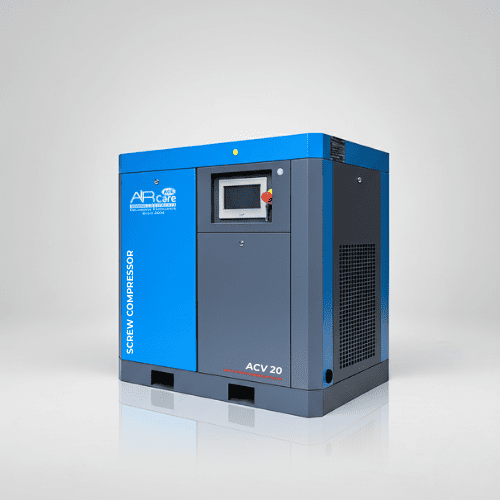
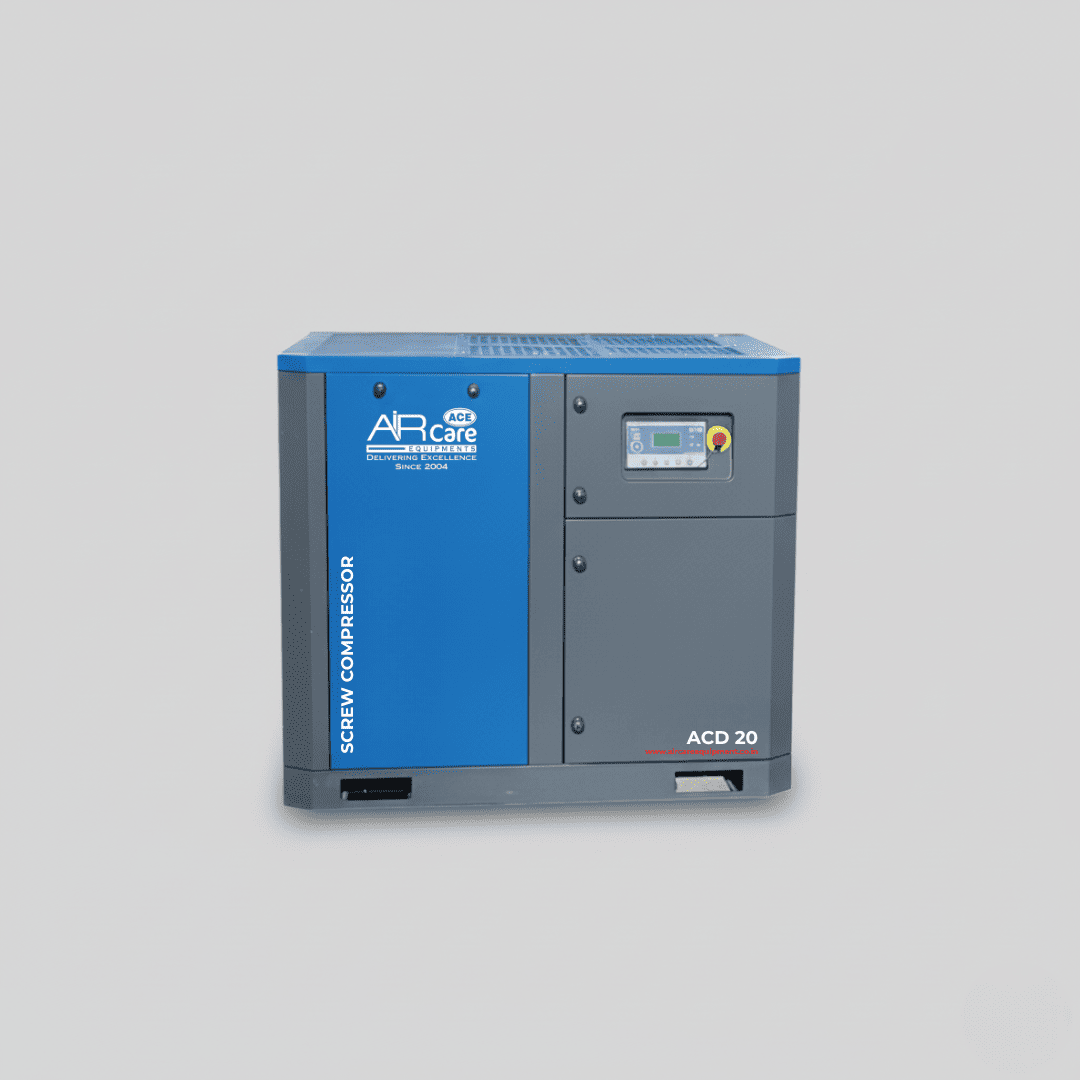
- Direct Drive Screw Compressors: Engineered for applications with a constant, baseline air demand. By coupling the primary motor directly to the air-end, we completely eliminate transmission losses, ensuring maximum efficiency and reliability. These compact, low-noise systems are easy to install, making them suitable for large-scale factories and space-constrained facilities alike.
- Variable Speed Drive (VSD) Screw Compressors: For businesses with fluctuating air requirements, our VSD series delivers unmatched energy savings. By adjusting motor speed in real time based strictly on current air demand, these systems prevent unloaded running and can reduce total energy consumption by up to 35%.
Note: Both series are compatible with pressure regulation systems and strictly comply with industry-grade Pressure Vessel Manufacturer standards to ensure safety and performance.
Sector-Specific Applications
Rotary air compressors are widely used in industries requiring an uninterrupted, large-scale air supply, including:
- CNC machining and fabrication units
- Automotive assembly lines
- Textile manufacturing plants
- Construction and infrastructure projects
- Pharmaceutical and food processing facilities
Maximise your operational control by pairing these base units with our complete line of Air Compressor Accessories for consistent pressure.
Why Choose Air Care Equipment for Screw Type Air Compressor Solutions?

Unmatched Durability
High-grade cast iron and precision-machined components engineered for severe industrial loads.

Energy Efficiency
Optimised valve configurations maximise volumetric efficiency, converting maximum electrical input into verifiable air delivery.

Specialised Expertise
Direct engineering support to match high-pressure and oil-free requirements to your specific operational loads.

Dedicated Support
Protect your industrial air compressor and other capital equipment with our comprehensive lifecycle management and Annual Maintenance Contracts (AMC).
Frequently Asked Questions
Technical Context: Rotary screw models are mandatory for continuous manufacturing plants. If your plant experiences frequent starts and stops or requires localised high pressure, review our Piston Air Compressors.
Technical Context: Unlike piston units, screw compressors have fewer mechanical components. Strict adherence to fluid and filter changes is critical to maintaining the tight tolerances between the helical rotors.
Technical Context: By dynamically adjusting the motor's speed to match the exact real-time CFM requirement, the VSD eliminates the wasteful unloaded phase where the motor consumes electricity without producing usable compressed air.
Ready to Scale Your Pneumatic Output?
Do not risk unplanned downtime with improperly sized equipment. Let our engineering team calculate your exact peak SCFM demand and map it against the correct pump displacement curve to guarantee maximum volumetric efficiency for your facility.
