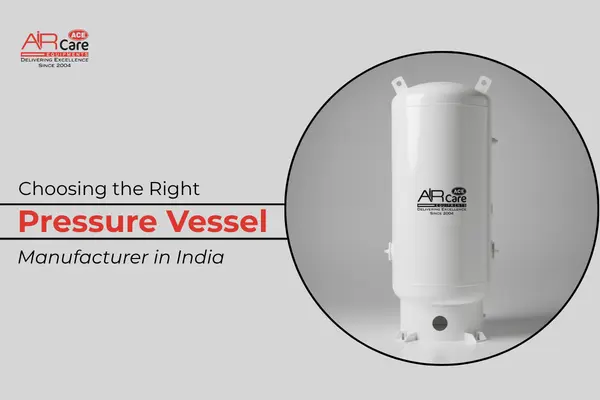
The Ultimate Guide to Choosing the Right Pressure Vessel Manufacturer in India
Walk onto any active factory floor, and beneath the noise of assembly lines and heavy machinery, you will find a hidden lifeline: compressed air and gas systems. A sudden drop in system pressure or, worse, a containment failure doesn't just put a temporary stop to production. It halts your entire supply chain and puts human lives at immediate risk. This makes the heavy-duty tanks holding these volatile forces the heartbeat of your industrial operations.
But here is the reality facing plant managers and procurement heads today. When you look for a trusted Pressure Vessel Manufacturer, you are bombarded with thousands of vendors. While the Indian manufacturing sector is massive, not every local fabricator has the specialised metallurgy knowledge, the heavy engineering bandwidth, or the strict compliance background required to build secure, high-pressure equipment.
Finding a reliable pressure vessel manufacturer in India requires looking past the glossy brochures and lowest-bid quotes. You need an engineering partner who understands the immense stakes of pneumatic systems and gas containment. This guide provides a direct, actionable checklist to help you evaluate vendors, cut through the marketing noise, and source equipment that guarantees your facility's safety and operational uptime for decades.
What Do You Understand by a Pressure Vessel?
At its core, a pressure vessel is a highly engineered, reinforced container designed to hold liquids, vapours, or gases at a pressure substantially higher or lower than the ambient atmospheric pressure outside it.
Think of a heavy-duty air receiver tank hooked up to an industrial compressor. The air inside is packed so tightly that it wants to expand outward violently. The walls, the welds, and the tank's specific geometry are the only things keeping that stored energy safely contained. Because the internal pressure forces are so extreme, these containers cannot be built like standard metal boxes. They require curved surfaces, usually cylindrical or spherical shapes, to distribute the mechanical stress evenly across the metal. Every single design choice, from the thickness of the steel plate to the type of welding rod used, must be mathematically calculated to handle the exact maximum allowable working pressure (MAWP) of the specific industrial process.
Common Industrial Applications of Pressure Vessels
You will find these robust containers working silently in the background of nearly every major industry, from automotive assembly and textile manufacturing to petrochemical refining and pharmaceuticals. Depending on the job, a Pressure Vessel Manufacturer will design units with very different internal geometries and material specifications.
Storage vessel
In facilities running pneumatic tools or automated assembly lines, storage vessels are indispensable. Commonly known as air receiver tanks, these units store massive volumes of compressed air. They act as a critical buffer, dampening the harsh pulsations from the air compressor and providing a steady, reliable flow of air during peak demand. Without a properly sized storage vessel, your compressors would constantly cycle on and off, leading to rapid mechanical wear and massive energy waste. They also serve a secondary purpose by allowing moisture and compressor oil to settle out of the air before it reaches your sensitive downstream equipment.
Heat Exchangers
Industrial processes generate tremendous amounts of heat that must be managed to prevent equipment failure. Heat exchangers are specialised vessels designed to transfer thermal energy between two or more fluids, often liquids or gases, without ever allowing them to physically mix. For example, hot oil from a machine might flow through a series of internal pipes, while cool water flows around those pipes inside the vessel's shell. This thermal efficiency is vital for system cooling, pasteurisation in the food industry, and energy recovery in chemical plants.
Industrial Boilers
Boilers are essentially enclosed vessels in which water or another fluid is heated under extreme pressure. The resulting high-pressure steam or hot vapour is then piped out to provide process heating or to drive heavy turbines for power generation. Because water expands roughly 1,600 times its original volume when it turns to steam, the structural integrity of a boiler is a matter of life and death for plant personnel.
Also Read: 10 Essentials for Choosing the Right Oil-Free Compressor
Process Vessels
In the chemical, oil, and gas sectors, raw materials rarely stay in one state. Process vessels include heavy-duty reactors, chemical separators, and fractionation columns. These are the environments where the actual industrial magic happens, whether that is stripping impurities out of crude oil or safely containing a highly volatile, pressurised chemical reaction. Exacting pressure control dictates the success, yield, and safety of the entire batch.
The Hidden Risks of Choosing the Wrong Pressure Vessel Manufacturer
When procurement teams are pressured to cut budgets, they sometimes treat containment tanks as simple metal commodities. However, compromising on fabrication quality directly jeopardises your business. The fallout from choosing an unverified vendor extends far beyond having to replace a rusty tank.
Catastrophic Safety Hazards
The most immediate and terrifying risk is structural failure. If a welder lacks the proper qualifications or a manufacturer uses substandard, porous steel, the structural joints will harbour microscopic weaknesses. Under constant pressurisation and depressurisation cycles, these weak points turn into fatigue cracks. A ruptured vessel doesn't just leak; it acts as a localised explosive device, causing massive structural damage to your facility and putting workers in the path of lethal shrapnel and concussive force.
Crippling Operational Downtime
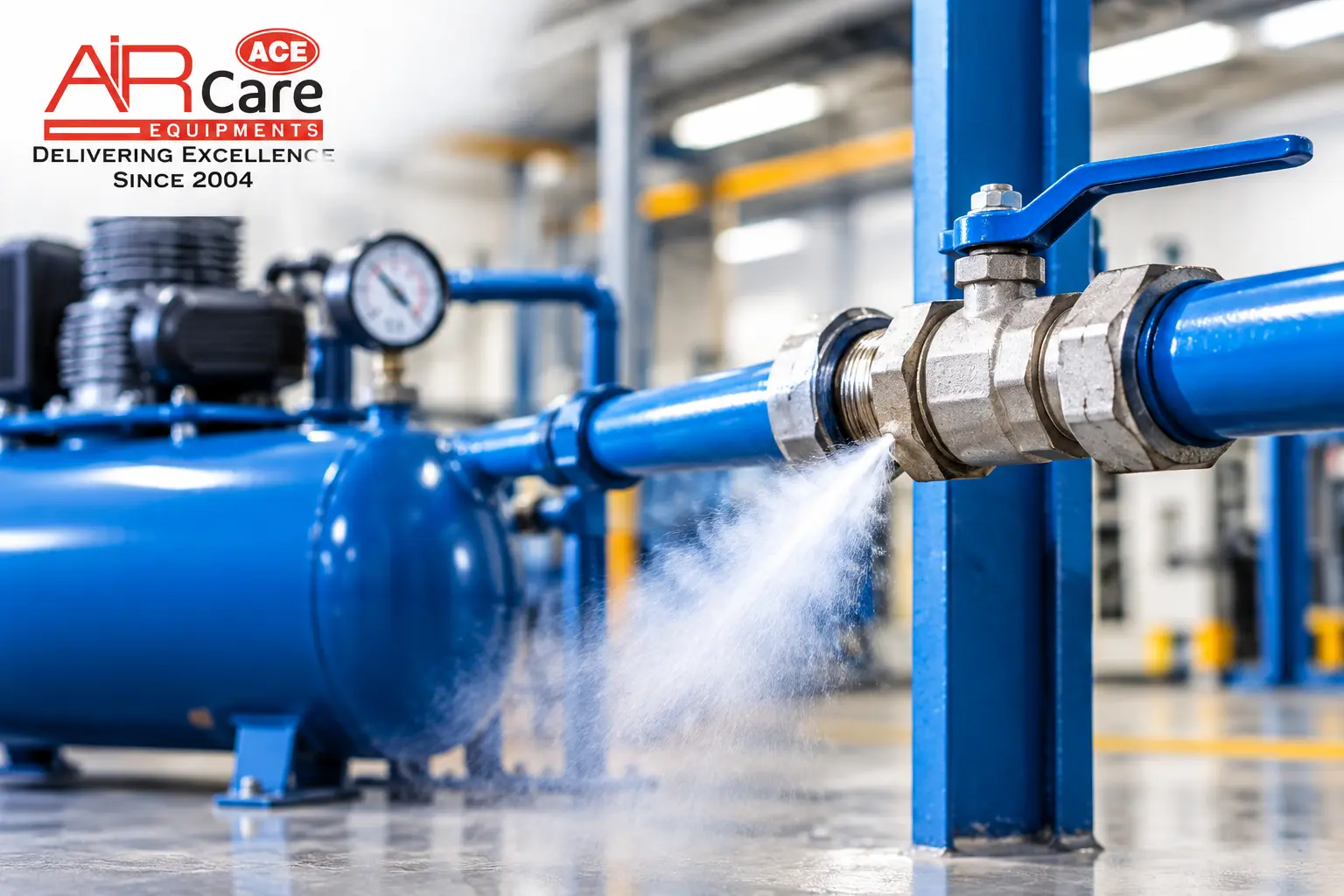
Even if a poorly fabricated tank doesn't rupture, it will inevitably bleed your resources. Subpar fittings, uneven mating surfaces, and internal corrosion lead to chronic pressure leaks. When your system loses pressure, your air compressors are forced to work overtime to compensate. This spikes your electricity bills, burns out expensive compressor motors prematurely, and completely disrupts the factory-floor supply chain when pneumatic machinery lacks the power to operate.
Legal and Regulatory Blowback
Industrial safety is heavily policed, and ignorance is not a valid legal defence. If your facility is audited by factory inspectorates and your equipment lacks verifiable testing documentation or mandatory safety stamps, the consequences are swift. Plants can face immediate operational shutdowns, severe financial penalties, and revoked licenses. In the event of a workplace accident involving uncertified equipment, the facility owners and operators face direct legal liability.
Read More: Why Choose a Reciprocating Air Compressor for Your Business | Air Care Equipments
Critical Quality Standards for a Pressure Vessel Manufacturer in India
To protect B2B buyers from these risks, regulatory bodies have established strict engineering codes. When vetting a pressure vessel manufacturer in India, compliance with these standards is the ultimate indicator of their technical competence.
IS 2825 & IS 2062
The Indian Standard (IS) 2825 is the foundational code governing the design, fabrication, and testing of unfired pressure vessels. It dictates everything from joint efficiency to safety valve sizing. Additionally, reputable builders insist on using IS 2062-certified structural steel, ensuring the raw material meets the specific tensile strength and chemical composition required to withstand industrial stress without warping or prematurely corroding.
PESO (SMPV Rules)
For facilities handling specific compressed gases, volatile chemicals, or operating in extremely high-pressure environments, approval from the Petroleum and Explosives Safety Organisation (PESO) is a strict legal requirement. Under the Static and Mobile Pressure Vessels (SMPV) rules, a manufacturer must demonstrate that its designs and fabrication facilities meet stringent government safety benchmarks before a single drop of gas is stored.
ASME Section VIII (Div 1 & Div 2)
The American Society of Mechanical Engineers (ASME) Boiler and Pressure Vessel Code is recognised globally as the gold standard for containment engineering. A manufacturer capable of building to ASME Section VIII specifications operates a world-class facility that utilises advanced stress analysis, rigorous material controls, and highly controlled welding environments.
ISO 9001:2015
While the codes above dictate product design, an ISO 9001:2015 certification ensures the manufacturer has a verified Quality Management System (QMS) running their entire operation. It guarantees consistency, meaning the unit you buy today will be built with the exact same precision, traceability, and attention to detail as the unit you buy five years from now.
Also Read: Complete Guide to Air Compressors: Types, Uses, and Essential Maintenance
Key Factors to Evaluate When Selecting a Manufacturer
How do you translate these codes into actionable procurement decisions? Bring the following criteria into your next vendor meeting to separate the true engineering firms from the basic metal shops.
In-House Testing and Safety Protocols
Do not accept verbal assurances about safety. Ask specific questions about their Quality Assurance department. A reliable manufacturer will conduct rigorous, documented in-house Non-Destructive Testing (NDT). This includes radiographic (X-ray) testing to examine deep within weld seams for hidden air pockets, and ultrasonic thickness testing. Most importantly, demand proof of hydro-testing, where the vessel is filled with water and pressurised to at least 1.5 times its intended maximum working pressure to physically prove its integrity before it ever leaves their shop floor.
Engineering and Customisation Capabilities
No two factory floors are exactly alike. If a vendor only pushes standard, off-the-shelf tank sizes, they likely lack an in-house engineering team. You need a partner whose design department can calculate specific volumetric requirements based on your compressor output, adjust the physical footprint to fit tight spatial constraints, and engineer custom nozzle orientations to integrate smoothly with your existing piping framework.
Ironclad Material Traceability
In heavy industry, steel is not just steel. A manufacturer must be able to prove exactly where their raw materials came from. Ensure they use certified, boiler-quality steel plates and that they can provide physical Mill Test Certificates (MTCs) for every batch of metal. This documentation proves the steel was tested at the foundry for yield strength and chemical purity, protecting you from the dangerous influx of cheap, recycled scrap metal.
Post-Installation and System Support
Your relationship with the manufacturer should not end the moment the unit is delivered. High-pressure equipment requires ongoing care. Look for a partner who understands the broader compressed air ecosystem. Do they offer routine maintenance schedules? Can they dispatch technicians for mandatory annual safety audits? Will they help you navigate the paperwork for mandatory government recertifications?
Read More: Choosing the Right Reciprocating Air Compressor: A Comprehensive Guide
Partnering with Air Care Equipments: Your Reliable Pressure Vessel Manufacturer
Sourcing an industrial tank is not a place to cut corners or chase the lowest possible quote. It is a long-term investment in your workplace safety, your regulatory compliance, and your daily operational reliability.
This is where the engineering expertise of Air Care Equipments changes the conversation. Recognising the gap in the market for truly secure containment, Air Care Equipments has positioned itself as a leading Pressure Vessel Manufacturer, committed to building heavy-duty air receivers that refuse to compromise on structural integrity. By combining premium-certified materials with rigorous in-house testing protocols, their fabrication team ensures every vessel meets the highest safety benchmarks set by modern industry.
When you are ready to secure your plant's pneumatic infrastructure, do not leave containment to chance. Contact the technical team at Air Care Equipments today to discuss custom air receiver specifications, request full compliance documentation, and engineer a solution perfectly tailored to your facility's exact demands.
Frequently Asked Questions (FAQs)
Q1: What is the typical operational lifespan of an industrial air receiver?
When built with high-grade steel and maintained via regular moisture draining, a quality vessel typically operates safely for 15 to 20 years.
Q2: Does every pressure vessel in India require PESO approval?
No, while mandatory for hazardous gases (like LPG or Oxygen) under SMPV rules, standard air receivers are generally governed by IS 2825 and state factory inspectorate guidelines.
Q3: How often do industrial pressure vessels require safety hydro-testing?
Compliance usually requires annual visual inspections and a formal hydrostatic test (at 1.5x working pressure) every two to three years by a certified competent person.
Q4: What are the primary causes of premature pressure vessel failure?
The leading causes are internal corrosion due to trapped moisture and fatigue cracking resulting from frequent, extreme pressure fluctuations beyond design limits.
Q5: What role does a Safety Relief Valve (SRV) play in vessel operation?
The SRV acts as a critical fail-safe by automatically venting excess pressure if the system exceeds the Maximum Allowable Working Pressure (MAWP), preventing catastrophic rupture.
Recent Posts