Choosing the Right Reciprocating Air Compressor: A Comprehensive Guide
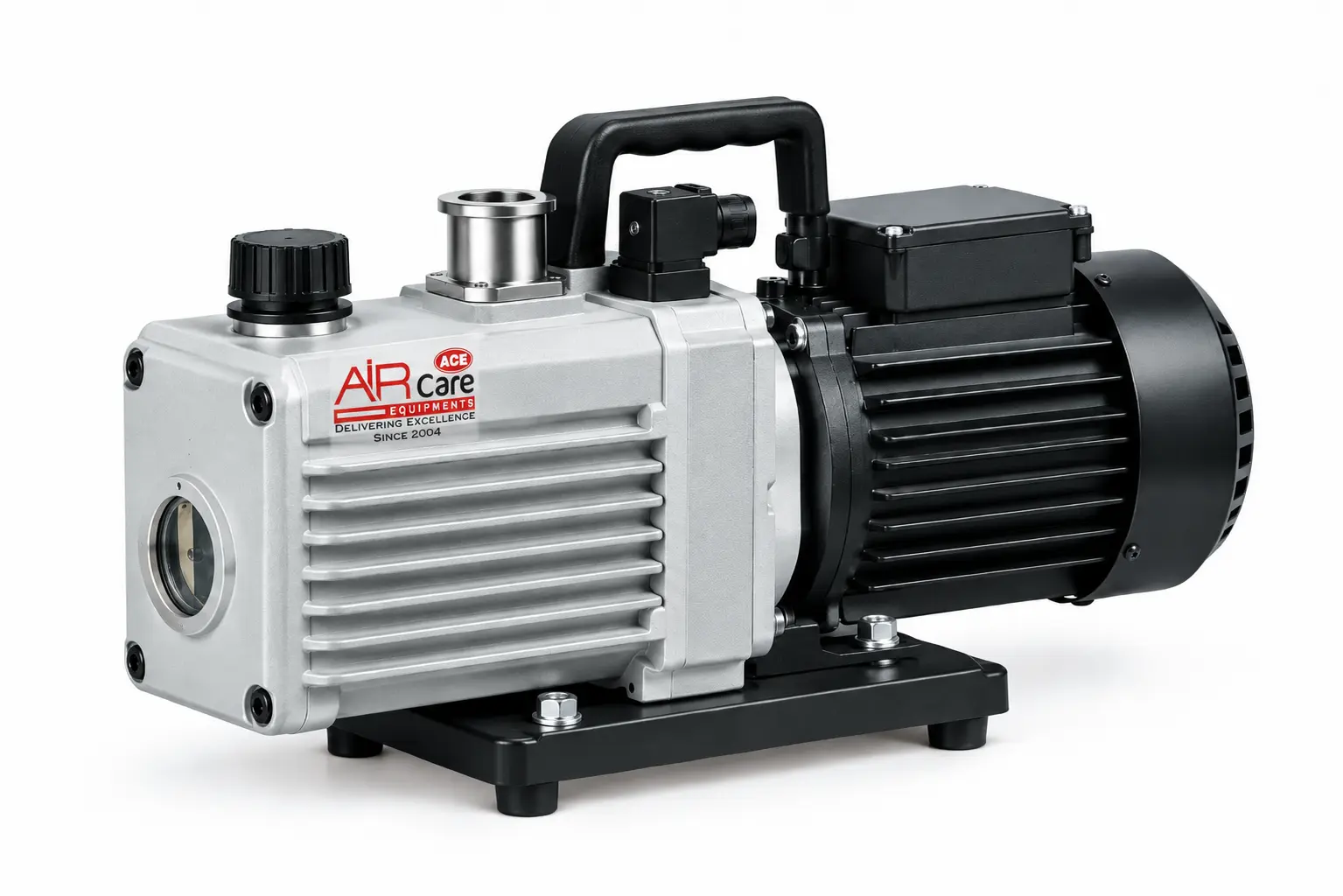
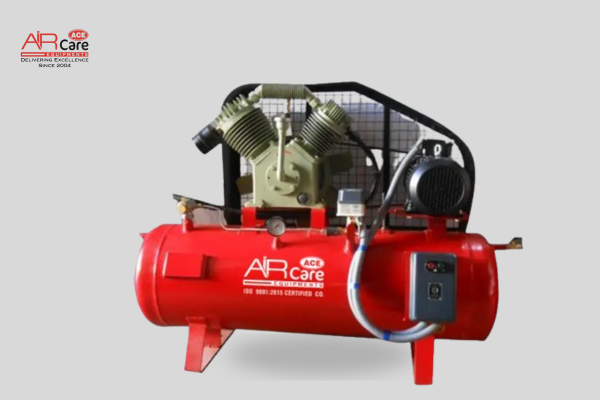
Reciprocating Piston Compressors, regularly known as Reciprocating Air Compressors, are a cornerstone of business compressed air solutions, valued for their durability, efficiency, and versatility. They operate by way of the usage of pistons to compress air, presenting distinct advantages, inclusive of advanced oil manipulate, powerful cooling, and simple upkeep. These compressors are particularly well-suited for packages with traumatic lower airflow and strain whilst as compared to their rotary screw counterparts.
This guide, by Air Care Equipments, is designed to help you navigate the choice system and pick the precise Air Compressor to meet your particular operational needs.
Key Types of Reciprocating Compressors
Air Care Equipments offers two primary configurations of Reciprocating Air Compressors to cover a wide range of requirements: single-stage and two-stage.
1. Single-Stage Reciprocating Air Compressors
Our single-stage models excel in oil control and cooling efficiency. They are engineered for decreased noise operation, better mobility, and ease of preservation.
- Best Suited For: Small-scale initiatives, hobbyists, woodworking, and light metalworking programs.
2. Two-Stage Reciprocating Air Compressors
For demanding applications, our two-stage Reciprocating Piston Compressors deliver significantly higher pressure output and superior energy efficiency. They are the surest desire for intermittent compressed air needs that require more energy and better stress than single-degree gadgets.
- Air Care Equipments Advantage: The two-stage compression method consists of an intercooler, which drastically reduces the threat of overheating. This translates at once to greater uptime and improved productivity, ensuring lower standard running prices due to decreased work required to obtain the desired strain.
Assessing Your Compressed Air Requirements
Before committing to a purchase, it's crucial to thoroughly assess your application needs. This includes understanding the specific tools you will use, their usage frequency, and the environment of operation.
Capacity (m3/min) and Pressure
The two most critical specifications for any Reciprocating Air Compressor are its capacity and pressure:
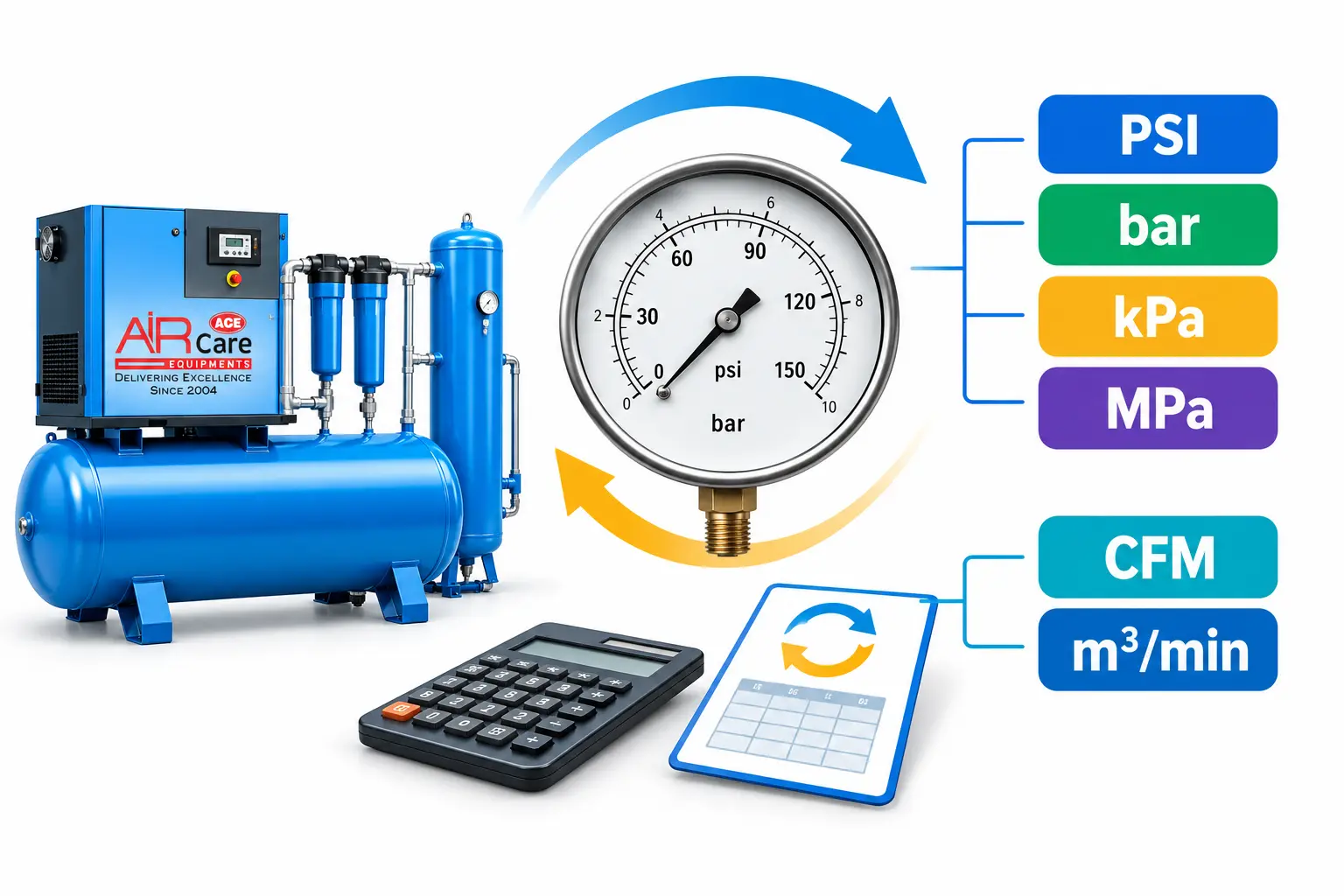
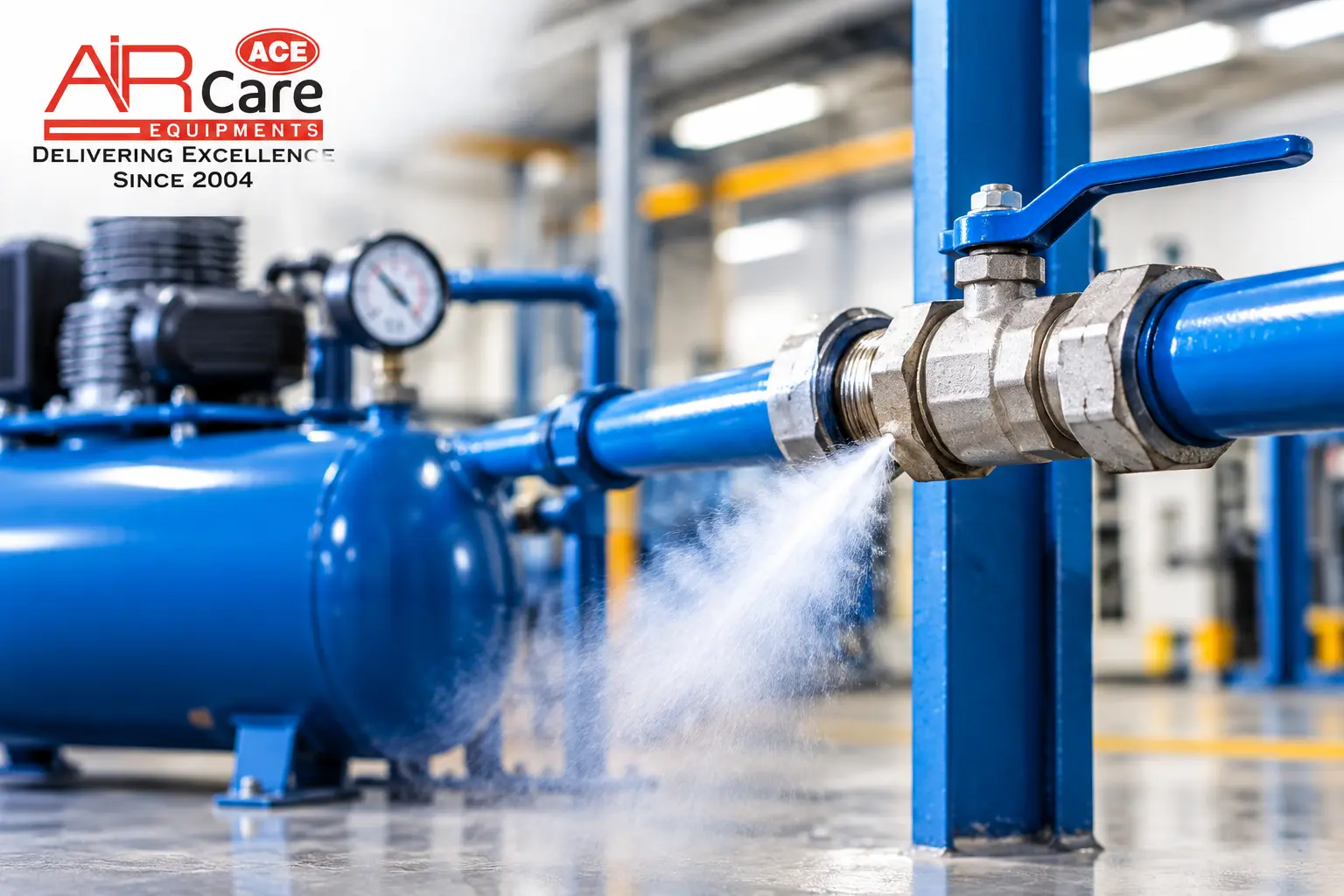
- Capacity (m3/min): This represents the volume of air the compressor can deliver at a specific pressure. We recommend adding an extra 25% to your total calculated (m3/min) requirement. This essential buffer accounts for potential system leaks and allows for future expansion of your air tools.
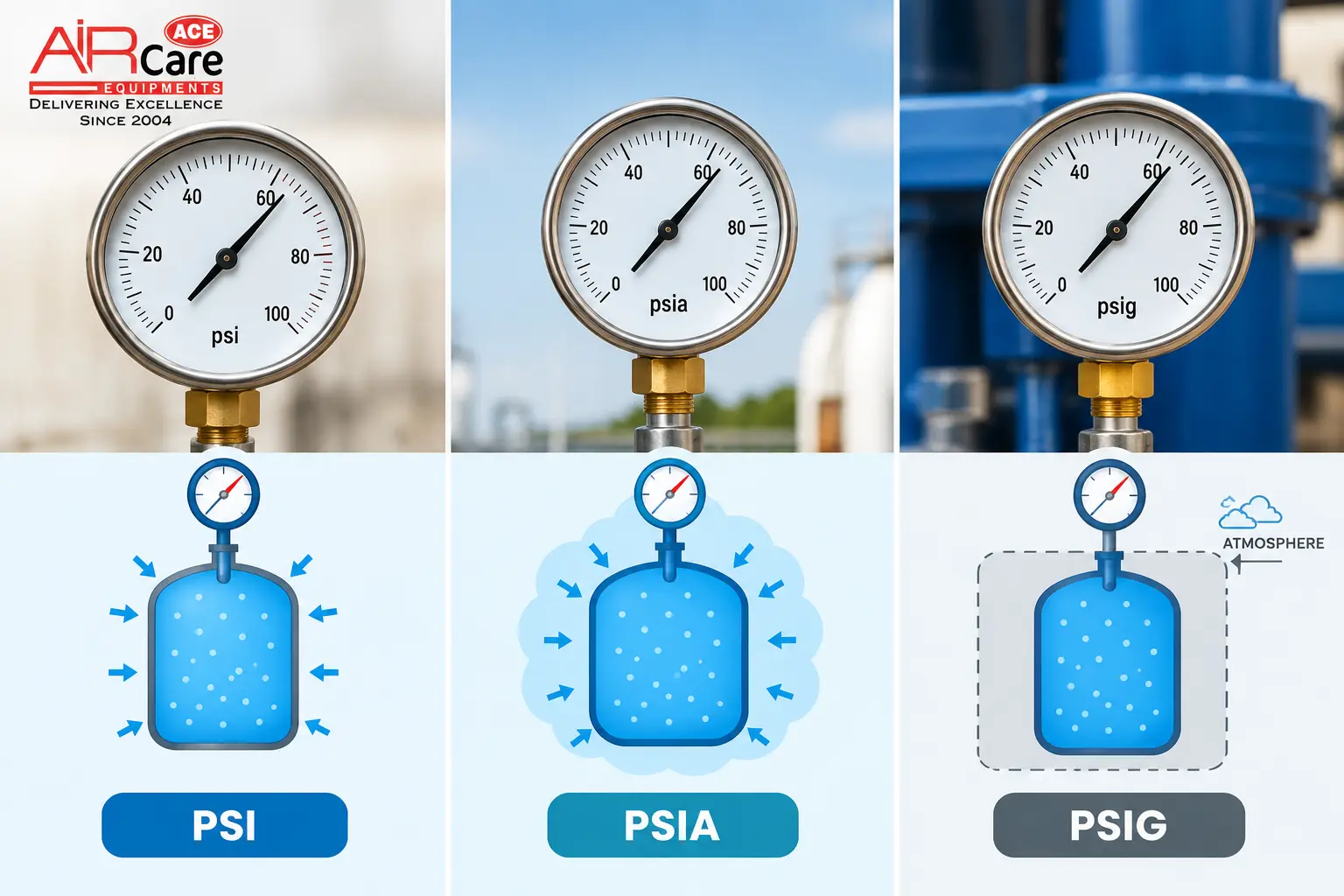
- Pressure (bar): This is the force at which air is delivered. It is wise to factor in an additional 1.4 bar to compensate for pressure losses that occur due to the distance to the point of use, pipe size, turning points, and components like dryers and filters.
Before committing to a buy, it's essential to thoroughly investigate your utility needs. This consists of information on the particular tools you'll use, their utilisation frequency, and the surroundings of operation.
Capacity (m3/min) and Pressure
The maximum essential specifications for any Reciprocating Air Compressor are its capacity and strain:
- Capacity (m3/min): This represents the quantity of air the compressor can supply at a selected strain. We recommend adding an extra 25% to your total calculated (m3/min) requirement. This essential buffer accounts for potential system leaks and allows for future expansion of your air tools.
- Pressure (bar): This is the force at which air is delivered. It is wise to take into account the additional 1.4 bar to compensate for pressure losses caused by distance to the point of use, pipe size, turning points and components such as dryers and filters.
Air Care Equipments strongly recommends ensuring that the compressor capacity and pressure ratings accurately align with the air requirements of your application. Consult with Air Care Equipments for expert assistance on sizing your unit.
Power(kW)
While power, measured in kilowatts (kW), is a function of your required pressure and capacity, it is an essential selection criterion. Our reciprocating piston compressors typically range between 2.2 and 11 kW.
- Higher kilowatt compressors are designed to power more demanding applications and equipment.
Electrical Connections
Always affirm that the compressor's electric requirements, voltage, phase, and frequency perfectly suit the electrical delivery available at your installation web page. Air Care Equipments professional can help confirm the correct electrical specs.
Noise Level
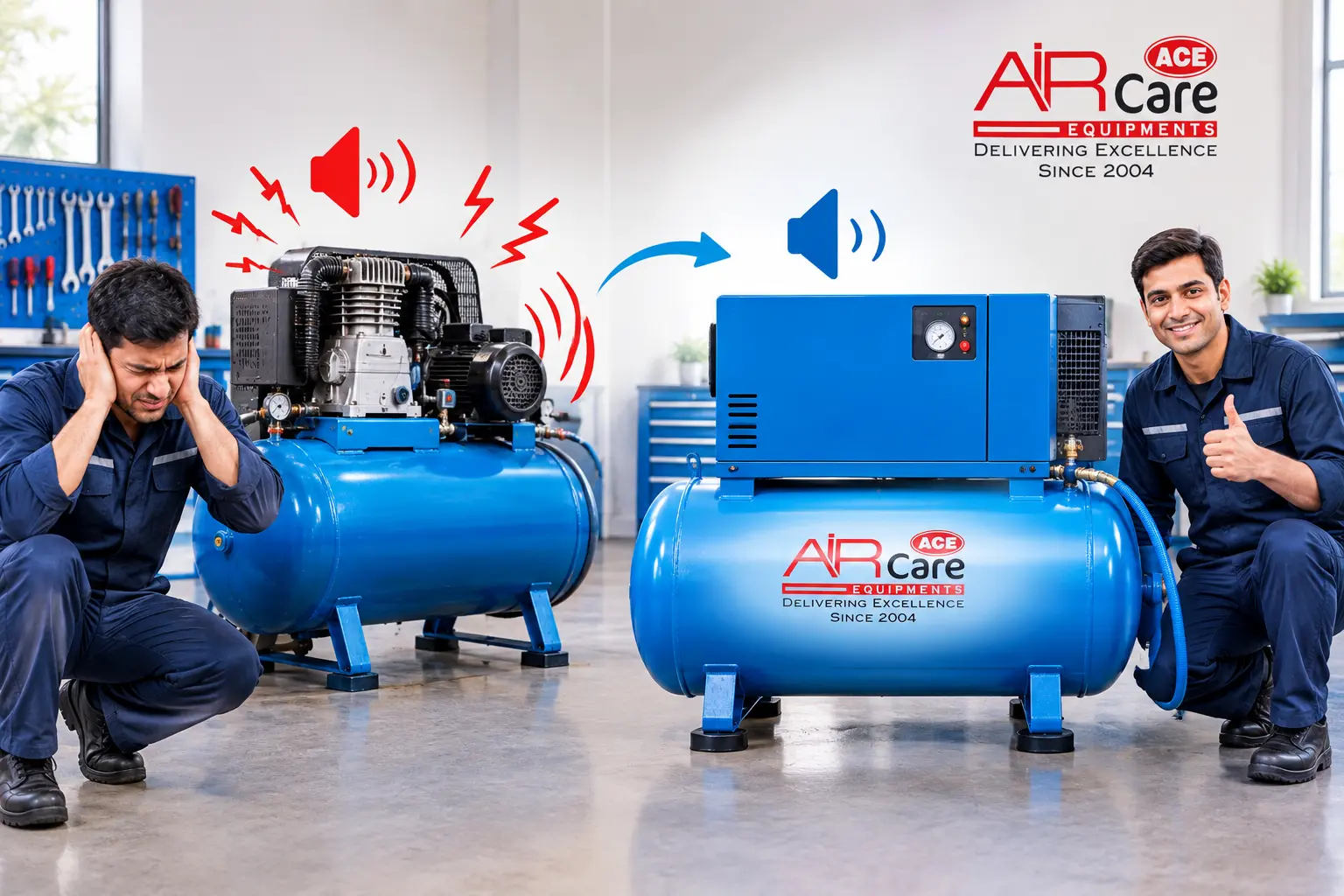
For business environments where noise is a difficulty, bear in mind the working decibel (dB) stage. While Reciprocating Air Compressors usually produce noise, Air Care Equipments models are designed for optimised overall performance and decreased noise effects.
- Low Noise Options: We provide models specially recognised for their low noise levels, ensuring an extra comfortable and compliant working environment for your employees.
Tank Size (Litres)
The air receiver tank must be big enough to save enough compressed air to satisfy the height air call for your gear.
- A small tank necessitates frequent cycling and can't sustain prolonged use.
- For hobbyists or small workshops, a smaller, transportable tank might also suffice.
- Small manufacturing operations normally require large, high-pressure tanks, frequently ranging from 50 to 500 litres.
Cost and Maintenance Considerations
Cost and Maintenance Considerations
The initial funding for a Reciprocating Air Compressor is generally lower than for other compressor technologies, making it an on-hand capital expenditure for smaller groups. It is critical to consider that those compressors have greater moving elements and require extra common preventative upkeep, which includes oil and filter modifications, to sustain optimal long-term period overall performance.
Air Care Equipments designs Reciprocating Air Compressors for max efficiency with minimum maintenance necessities, assisting you in holding downtime and servicing charges low.
Conclusion
Selecting the suitable Reciprocating Air Compressor from Air Care Equipments is a matter of exactly matching the compressor’s specs to your operational desires. By evaluating capability, stress, energy, electrical wishes, noise level, and tank length, you can, with a bit of luck, select the best device.
Air Care Equipments’s range of reliable and efficient Reciprocating Piston Compressors presents an appropriate solution for numerous commercial applications, constructed for efficiency and minimal renovation.
FAQs
Q1. What is the main difference between a single-stage and a two-stage Reciprocating Air Compressor?
A single-stage compressor compresses air once for low-pressure needs, while a two-stage unit compresses air twice with cooling in between to reach higher pressures more efficiently.
Q2. Why is adding an extra 25% to my capacity (m3/min) requirement important?
This buffer accounts for inevitable system leaks and provides "headroom" for future equipment additions without requiring an immediate system upgrade.
Q3. How do I choose the correct kW power for my Reciprocating Piston Compressor?
Power is determined by your required air volume and pressure; higher flow rates (m3/min) and higher pressures (bar) demand more motor kilowatts (kW).
Q4. How often does a Reciprocating Air Compressor require maintenance?
Due to many moving parts, they require frequent oil changes and filter replacements to prevent wear and ensure long-term reliability.
Q5. Why do I need to factor in 1.4 bar for pressure loss?
Friction in pipes, bends, and filters causes pressure to drop as air travels; adding 1.4 bar ensures the tool receives its required operating pressure at the end of the line.
Recent Posts