Why Choose a Reciprocating Air Compressor for Your Business | Air Care Equipments
Reciprocating Air Compressor: A Reliable Solution for Industrial Air Needs
In the present-day industrial landscape, we regularly communicate about energy, water, and gas as the lifeblood of a facility. However, everybody standing on a manufacturing facility ground or inside a hectic automobile storage knows there's a "fourth utility" that is just as essential: compressed air. Among the various technologies to generate this electricity, the Reciprocating Air Compressor remains the undisputed heavyweight champion of reliability and versatility.
Whether you are overseeing a high-precision production unit, a bustling fabrication shop, or a rugged construction website, your choice of air system dictates the rhythm of your workday. A dip in pressure or a sudden mechanical failure does not just stop a machine; it halts your revenue. At Air Care Equipments, we have seen firsthand how the right compressed air setup transforms a struggling operation into a streamlined powerhouse. Our focus is on providing high-performance reciprocating compressors that don't just "work," but thrive under the pressure of industrial demands.
If your business needs a system that can handle high-pressure tasks without breaking the bank or requiring a PhD to maintain, the two-stage reciprocating air compressor is likely your best ally.
What Exactly is a Two-Stage Reciprocating Air Compressor?
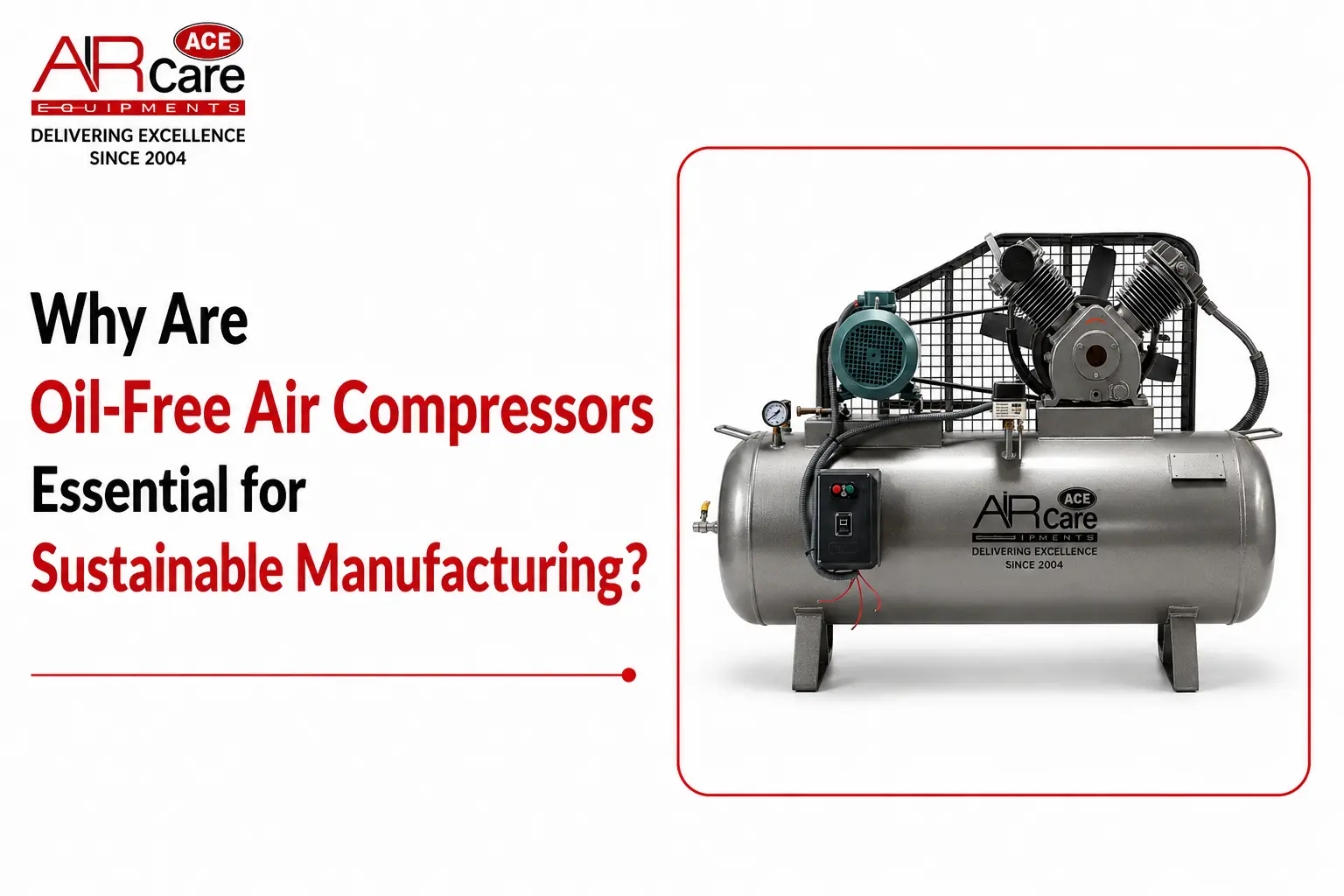
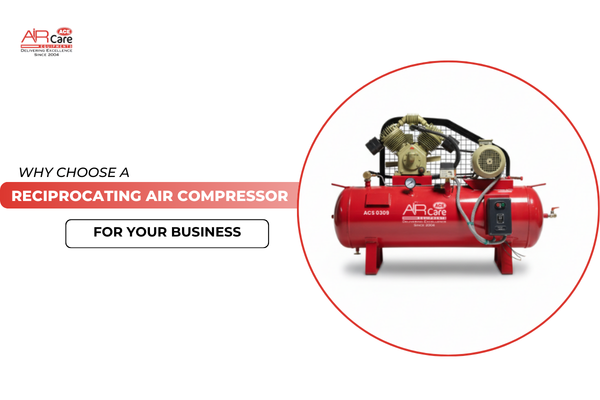
To understand why this machine is so effective, we have to look past the metal casing and into the mechanical heart of the unit. A reciprocating compressor, often called a piston air compressor, operates on a principle similar to a car engine, but in reverse. Instead of using a vacuum and combustion to create movement, it uses movement to create pressure.
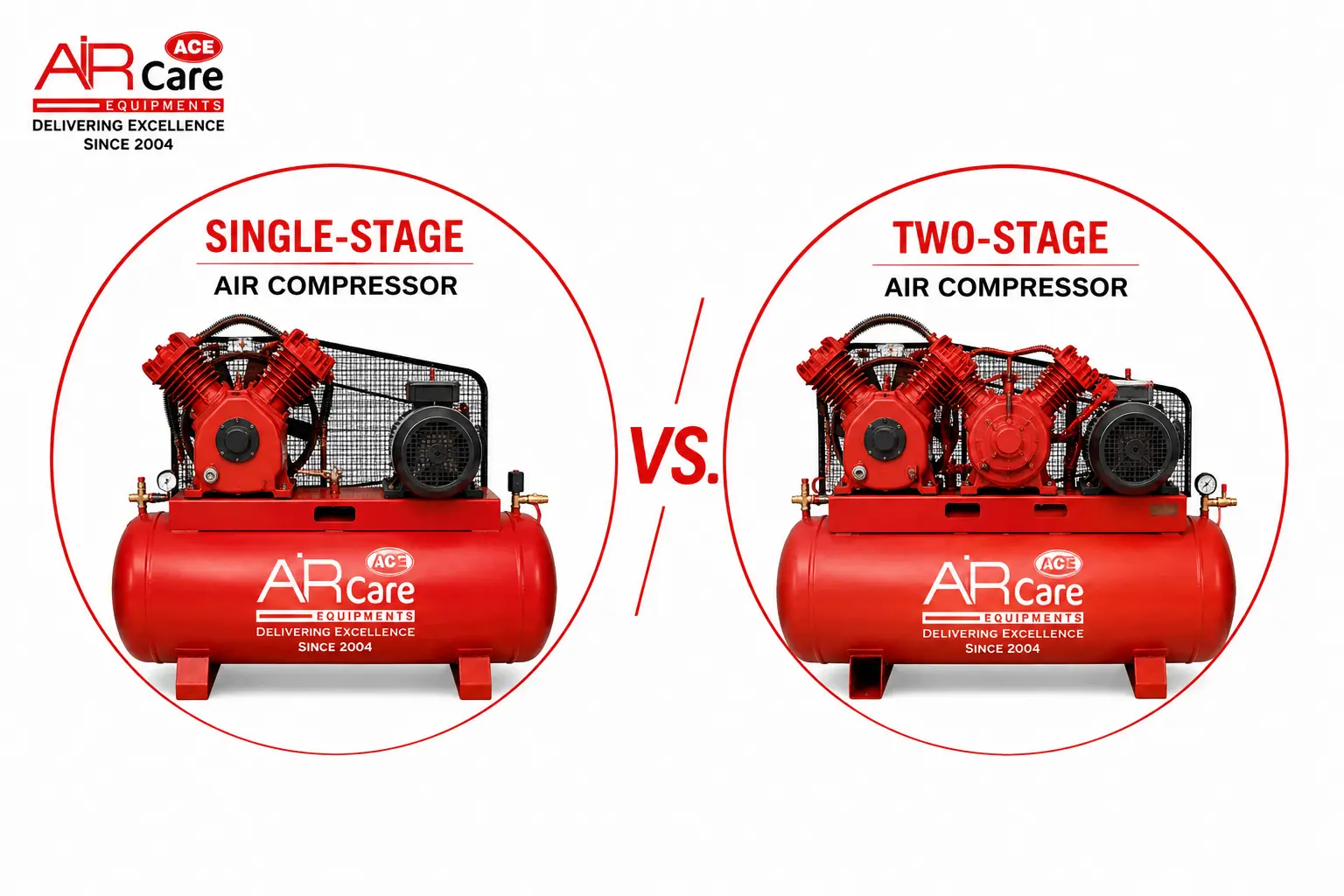
In a two-stage setup, the air goes through a two-step journey:
- The First Stage: Ambient air is drawn into a large cylinder where a piston compresses it to an intermediate pressure level.
- The Intercooler: This is the secret sauce. The warmed, semi-compressed air passes through a cooling tube. Cooling the air makes it denser and easier to compress further.
- The Second Stage: The cooled air enters a smaller cylinder where it is squeezed a second time, reaching much higher pressures than a single-piston setup ever could.
Why does this two-step dance matter?
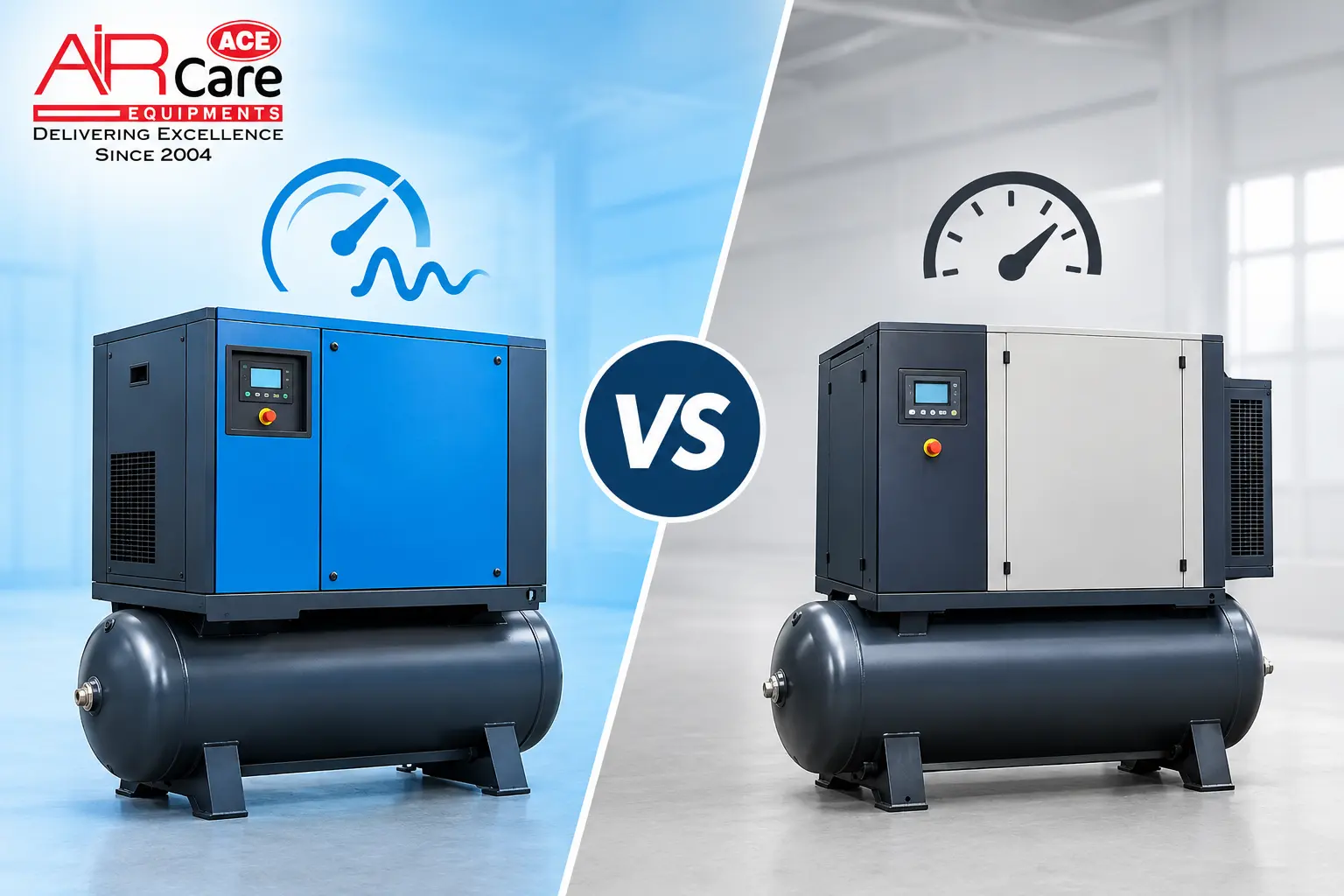
Unlike rotary screw compressors, which are designed to run 24/7 at a constant (and often lower) pressure, the reciprocating model is a specialist. It is the marathon runner that can also sprint uphill. It offers:
- Substantially Higher Pressure: It can push limits that single-stage units simply can’t reach.
- Thermal Efficiency: Because the air is cooled between stages, the machine stays cooler, reducing wear and tear.
- Energy Savings: It takes less mechanical energy to compress cool air than hot air.
Also Read: Top 2026 Industrial Air Compressor Manufacturer: Efficiency, IoT, and Smart Power
Key Features That Define Industrial Grade Performance
When we supply a compressor at Air Care Equipments, we aren't just looking at the horsepower. We look at the "bones" of the machine. A truly industrial reciprocating compressor is built differently than the ones you might find in a hobbyist’s garage.
1. High-Pressure Output on Demand
Most industrial tools—from heavy-duty pneumatic drills to large-scale spray systems—require a specific "kick." Two-stage compressors provide that high-PSI (pounds per square inch) ceiling, ensuring your tools never feel underpowered.
2. The Strength of Cast Iron
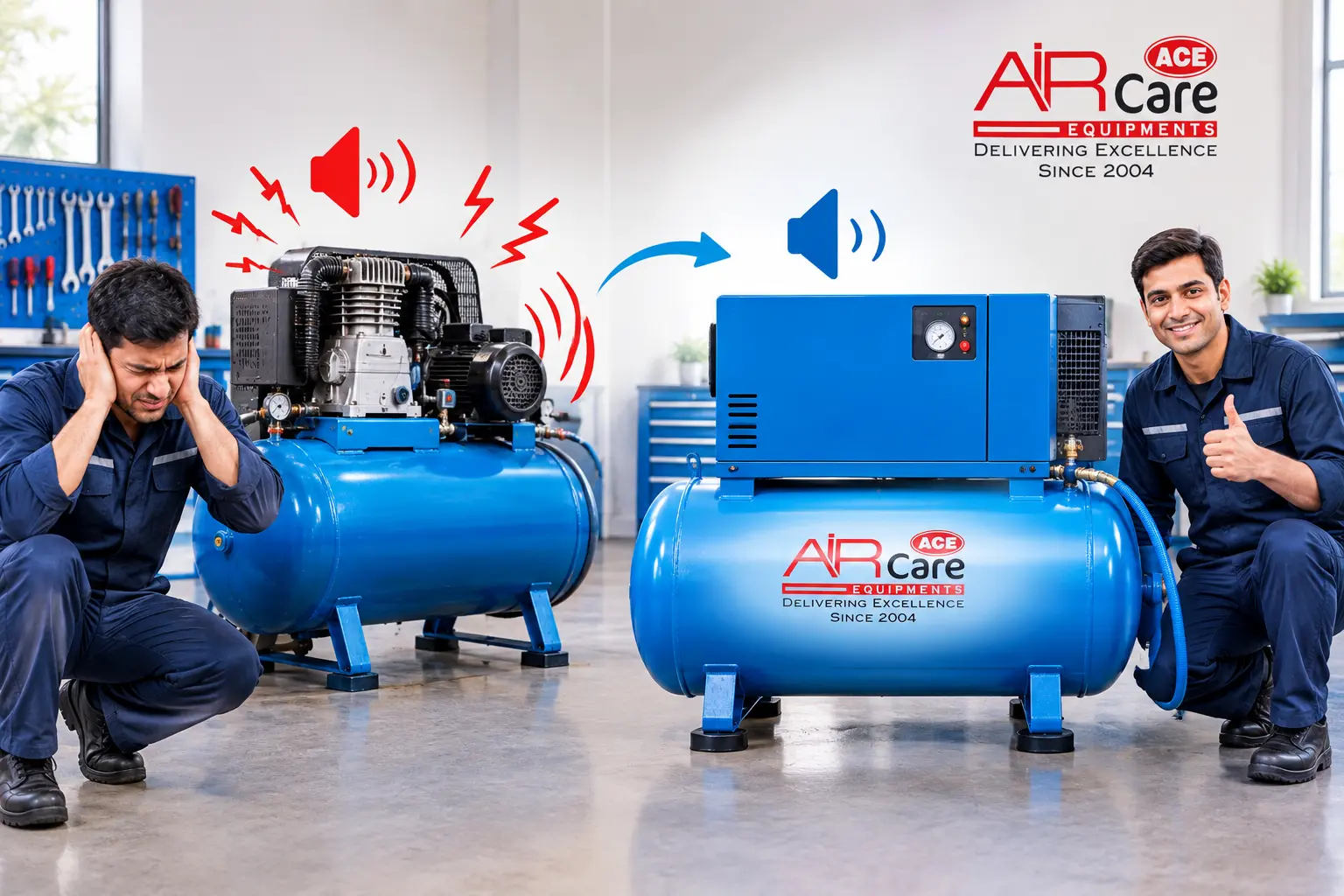
In a world of plastic and thin alloys, we stick to heavy-duty cast iron. The cylinders, heads, and crankcases of our compressors are built to withstand the vibration and heat of a 10-hour shift. This mass acts as a heat sink and a stabiliser, significantly quieting the machine and preventing cracks.
Read More: Top 10 Air Compressor Manufacturers in India: 2026 Buyer’s Guide
3. Smart Cooling Systems
Heat is the primary enemy of any mechanical system. Our compressors utilise advanced intercooling and finned cylinder heads to dissipate heat rapidly. This doesn't just protect the machine; it ensures the air entering your tank is drier and more stable.
4. Simplified Maintenance
One of the most human-centric benefits of a piston compressor is its transparency. You can see the belts, check the oil dipstick, and swap out a filter in minutes. There are no proprietary computer boards or hidden sensors that require a specialist technician for a simple tune-up.
The Business Case: Why This Choice Makes Financial Sense
Investing in a reciprocating air compressor isn't just a technical decision; it’s a fiscal one. For small to medium-sized enterprises (SMEs), the "bang for the buck" ratio is unbeatable.
- Lower Upfront Cost: Compared to the high price tag of rotary screw systems, reciprocating units allow businesses to allocate capital to other areas like raw materials or staffing.
- Durability and Longevity: We often see well-maintained piston compressors that have been in service for 15 or 20 years. When you calculate the "cost per year," these machines are incredibly inexpensive.
- Adaptability to Intermittent Use: Many businesses don't need air every second of the day. A reciprocating compressor excels at "cycling"—turning on when the tank is low and resting when it’s full. This saves electricity and prevents the "idling" costs associated with larger, continuous-run machines.
Where These Workhorses Live: Industrial Applications
The versatility of the reciprocating air compressor means it finds a home in almost every corner of the economy. Here is how different sectors utilise this technology:
Automotive and Repair Workshops
From the local mechanic to a massive dealership service centre, air is used for everything. Impact wrenches, tyre changers, and hydraulic lifts all rely on the steady "thump-thump" of a piston compressor. It provides the high pressure needed to break seized bolts and seat stubborn tyres.
The Textile Sector
Precision is everything in textiles. Compressed air is used to power looms, clean delicate machinery, and even assist in the dyeing process. The reliability of a two-stage system ensures that a production line of thousands of spindles doesn't come to a grinding halt due to a pressure drop.
Construction and Infrastructure
Construction sites are messy, dusty, and demanding. A reciprocating compressor is rugged enough to handle these environments. Whether it’s powering pneumatic jackhammers or sandblasting rust off a bridge, these units provide the high-pressure "oomph" required for heavy labour.
Read More: The Ultimate Guide to Choosing the Right Rotary Screw Compressor
Manufacturing and Assembly
In a manufacturing plant, air is often used for "pick and place" robotics or pneumatic clamps. Because these tasks are often cyclical rather than continuous, the reciprocating compressor’s ability to start and stop efficiently makes it the perfect fit for the assembly line.
Professional Spray Painting
Painting requires a very specific type of airflow. It needs to be consistent and high-volume. A two-stage compressor, paired with a properly sized tank, ensures that the painter doesn't experience "pressure flutter," which can lead to uneven finishes or wasted material.
Why Partner with Air Care Equipments?
Buying a compressor is easy; maintaining a system is the real challenge. At Air Care Equipments, we view ourselves as partners in your productivity rather than just a vendor.
- Expert Consultation: We don't just sell you the biggest machine we have. We look at your CFM (Cubic Feet per Minute) requirements and your duty cycle to find the "Goldilocks" machine—the one that is just right for your specific load.
- Rigorous Testing: Every unit that leaves our facility has been put through its paces. We check the seals, the pressure switches, and the motor draw so you don't have any surprises on delivery day.
- Local Support and Parts: There is nothing worse than needing a $20 belt and being told it’s on a six-week backorder from overseas. We maintain a robust inventory of genuine spare parts and a team of technicians who know these machines inside and out.
Maximising Your Investment: Beyond the Purchase
Our relationship doesn't end when the compressor is bolted to your floor. We offer a suite of services designed to keep your air flowing for decades:
- Professional Installation: Proper levelling and vibration isolation are key to a long life.
- Maintenance Schedules: We help you track when it’s time for an oil change or a valve inspection.
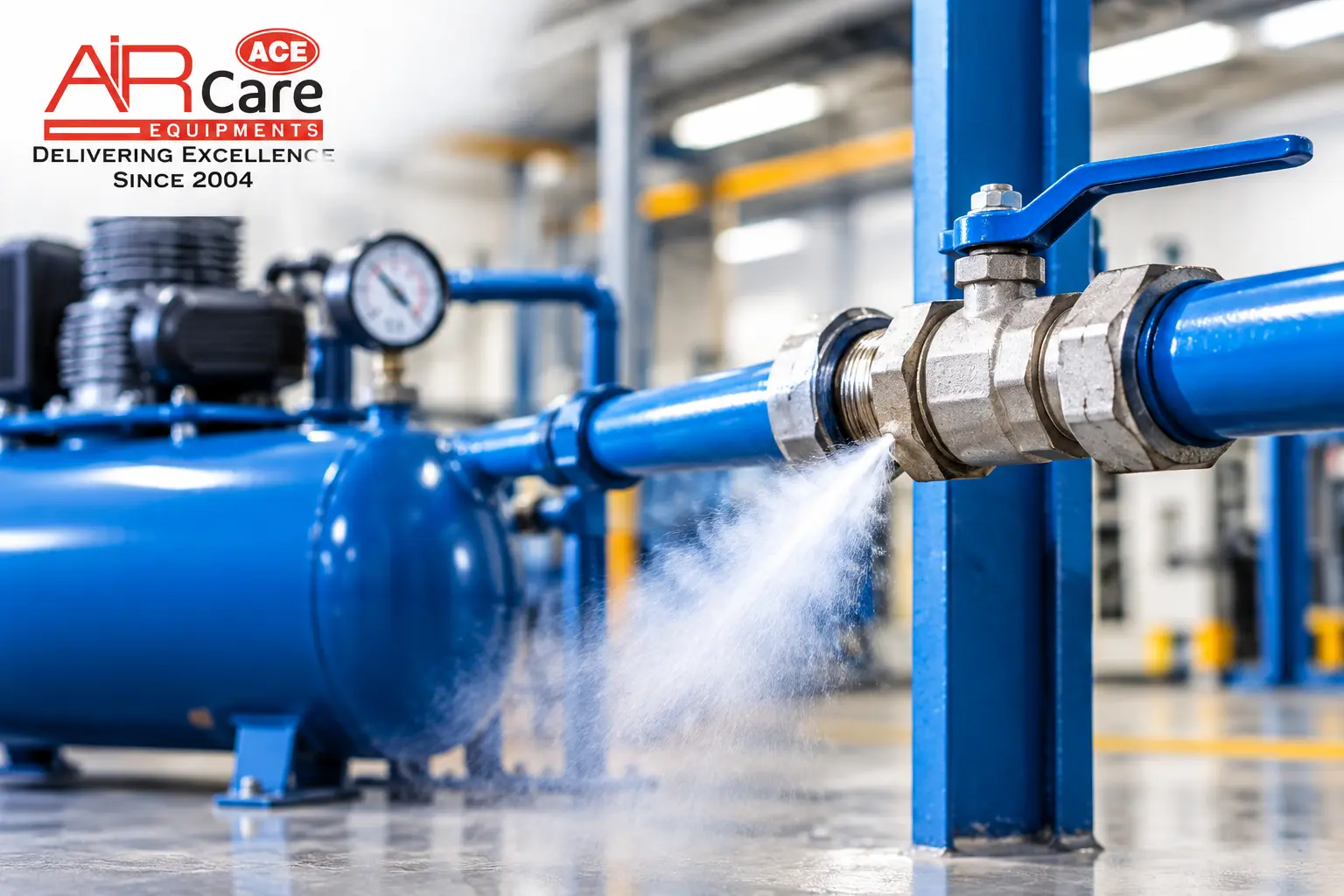
- System Optimisation: Sometimes, the problem isn't the compressor; it’s the piping. We help you identify leaks and pressure drops in your facility to save you money on power bills.
Also Read: Choosing the Right Reciprocating Air Compressor: A Comprehensive Guide
Conclusion
In an age wherein era seems to get more complex and much less long lasting each 12 months, the Reciprocating Air Compressor stands as a testimony to the energy of solid engineering. It is an established, high-strength solution that offers the first-rate stability of price, performance, and durability for the present-day industrialist.
At Air Care Equipments, we are proud to supply the machines that power your progress. If you are tired of inconsistent pressure, high repair bills, or an underpowered system, it is probably time to return to the reliability of a two-stage piston device.
FAQs
1. What is the difference between a single-stage and a two-stage reciprocating air compressor?
A two-stage compressor passes air through an intercooler between two separate pistons to reach much higher pressures more efficiently.
2. Why is heavy-duty cast iron used in the construction of these compressors?
Cast iron acts as a superior heat sink and vibration stabiliser, preventing mechanical cracks during long industrial shifts.
3. When should a business choose a reciprocating compressor over a rotary screw model?
A reciprocating compressor is the best choice for businesses with intermittent air needs that require a machine to cycle on and off.
4. What maintenance is required to keep a reciprocating air compressor running for 20 years?
Routine maintenance includes checking the oil dipstick daily, cleaning air filters, and inspecting belts and valves for wear.
5. Are reciprocating compressors suitable for high-precision industries like textiles and painting?
Yes, they provide the consistent, high-pressure output necessary for powering precision looms and ensuring even finishes in professional spray painting.
Recent Posts