10 Essentials for Choosing the Right Oil-Free Compressor
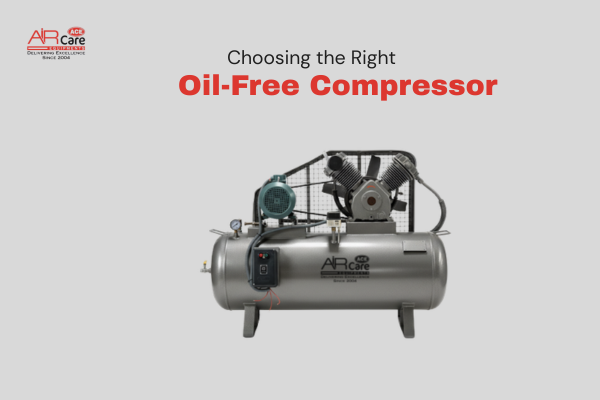
When you are responsible for maintaining the integrity of a high-stakes production line, the equipment you choose isn't just a purchase, it’s a safeguard. In industries ranging from pharmaceutical manufacturing to delicate electronics assembly, the presence of a single microscopic droplet of oil in your air lines can result in catastrophic product recalls or equipment failure. This is why Oil Free Air Compressors have transitioned from being a niche speciality item to an industry standard for businesses that refuse to gamble with air purity.
Navigating the market for these machines can be overwhelming. With various technologies, varying discharge pressures, and a wide array of price points, making the wrong choice can lead to high energy bills or insufficient air flow. At Air Care Equipments, we believe in empowering our clients with the technical grit and honest truth about what these machines can, and cannot, do for your facility.
What Is an Oil-Free Air Compressor?
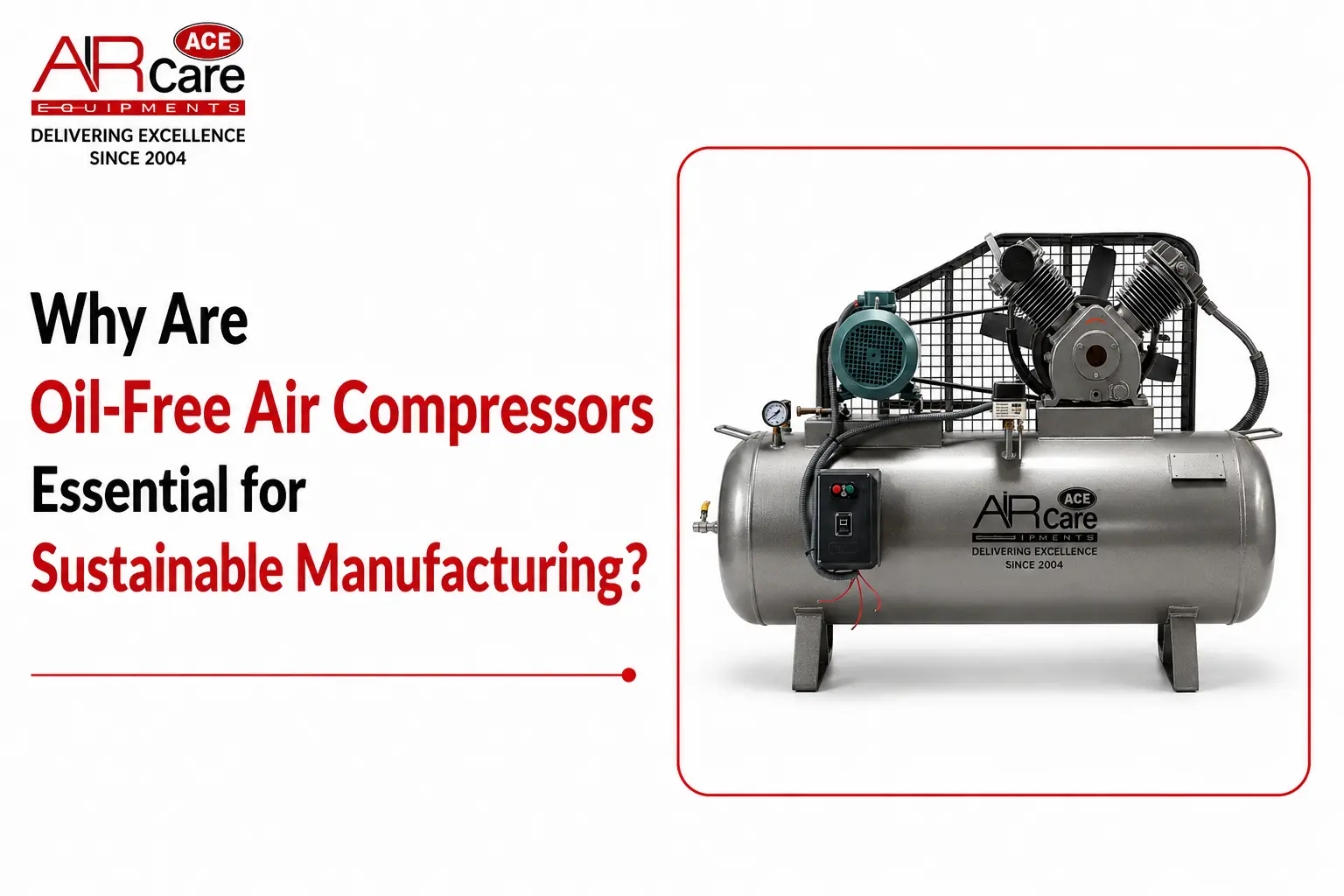
To understand an oil-free system, you first have to understand what it isn’t. Traditional compressors use oil to lubricate the compression chamber, dissipate heat, and help create a seal. In contrast, Oil Free Air Compressors are engineered to operate without any petroleum-based lubricants in the compression cycle.
Instead of oil, these machines utilise advanced materials like Teflon-coated pistons, water-injected cooling, or permanent-magnet motors to reduce friction. Because no oil ever touches the air being compressed, there is zero risk of oil aerosols migrating downstream into your final product. It is the cleanest way to generate power through the air.
The Importance of Oil-Free Compressed Air
Why go oil-free? For many, it’s a matter of compliance. For others, it’s about the bottom line. When you use an oil-injected compressor, you are forced to install a complex string of filters, coalescers, and carbon towers to "scrub" the air. Even then, if a filter fails or the ambient temperature rises, oil vapour can still slip through.
In a food processing plant, oil-contaminated air means tainted batches. In a dental clinic, it means compromised patient health. By removing oil from the source, you eliminate the "weakest link" in your quality control chain.
Also Read: Portable Air Compressors: Uses, Benefits & Buying Guide
Understanding the Flow of Air
One of the most common mistakes we see at Air Care Equipments is a customer buying a compressor based solely on the motor's Horsepower (HP). In reality, Horsepower is a measure of power consumption, not output. The metric that truly matters is the Flow of Air, measured in Cubic Feet per Minute (CFM).
Before buying, you must conduct an air audit. Total the CFM requirements of all your pneumatic tools and machinery. If your tools require 50 CFM at 90 PSI, buying a compressor that only delivers 40 CFM will lead to pressure drops, tool stalling, and motor burnout. Always size your compressor for 20-30% more flow than your current maximum need to allow for future growth and system leaks.
Evaluating Oil-Free Compressor Manufacturers
The brand behind the machine dictates the lifespan of your investment. When looking at oil-free air compressor manufacturers, you aren't just buying a metal box; you are buying their research, development, and after-sales support.
Reputable manufacturers invest heavily in the coating of the screw rotors or the durability of the piston rings. Low-cost, generic brands often use inferior coatings that flake off after a few thousand hours, leading to a massive drop in efficiency. At Air Care Equipments, we suggest looking for brands with a proven track record in the Indian industrial climate, where heat and humidity can punish a poorly designed machine.
Read More: Why Choose a Reciprocating Air Compressor for Your Business
Types of Oil-Free Air Compressors
Not every "oil-free" machine works the same way. Choosing the right "flavour" of technology depends on your duty cycle.
- Oil-Free Piston (Reciprocating): Best for small workshops or intermittent use. These use high-durability rings (often Teflon or carbon) to stay lubricated.
- Oil-Free Rotary Screw: The workhorse of modern industry. These use precise timing gears to ensure the rotors never touch, eliminating the need for oil in the chamber.
- Water-Injected Screw: These use water to lubricate and cool the air. Water has excellent heat-absorption properties, leading to very efficient compression.
- Centrifugal Compressors: These are for massive operations (think power plants or large refineries). They are inherently oil-free and designed for enormous, steady air demands.
Navigating the Oil-Free Air Compressor Price
Let’s be candid: the oil-free air compressor price will always be higher upfront than a lubricated model of the same size. This is because the tolerances required to run a machine without oil are incredibly tight. The materials are more expensive, and the engineering is more complex.
However, the "sticker price" is deceptive. When you calculate the Total Cost of Ownership (TCO), oil-free often wins. You save money on:
- Replacement filters (which can cost thousands over the years).
- Oil disposal (handling contaminated condensate is an environmental legal requirement).
- Energy (pressure drops through multiple filter stages forces your compressor to work harder).
Also Read: Top 10 Air Compressor Manufacturers in India: 2026 Buyer’s Guide
The Rise of the Silent Oil-Free Compressor
Noise is the "silent" killer of productivity. Traditional compressors sound like jackhammers, forcing businesses to build expensive compressor rooms far away from the actual work area.
A silent oil-free compressor is designed with low-RPM motors and sound-dampening acoustic enclosures. These are particularly popular in medical and laboratory settings where the machine needs to sit right next to the technician. If your facility has strict noise-level regulations, investing in a "silent" build is a necessity, not a luxury.
Industrial Oil-Free Air Compressor Applications
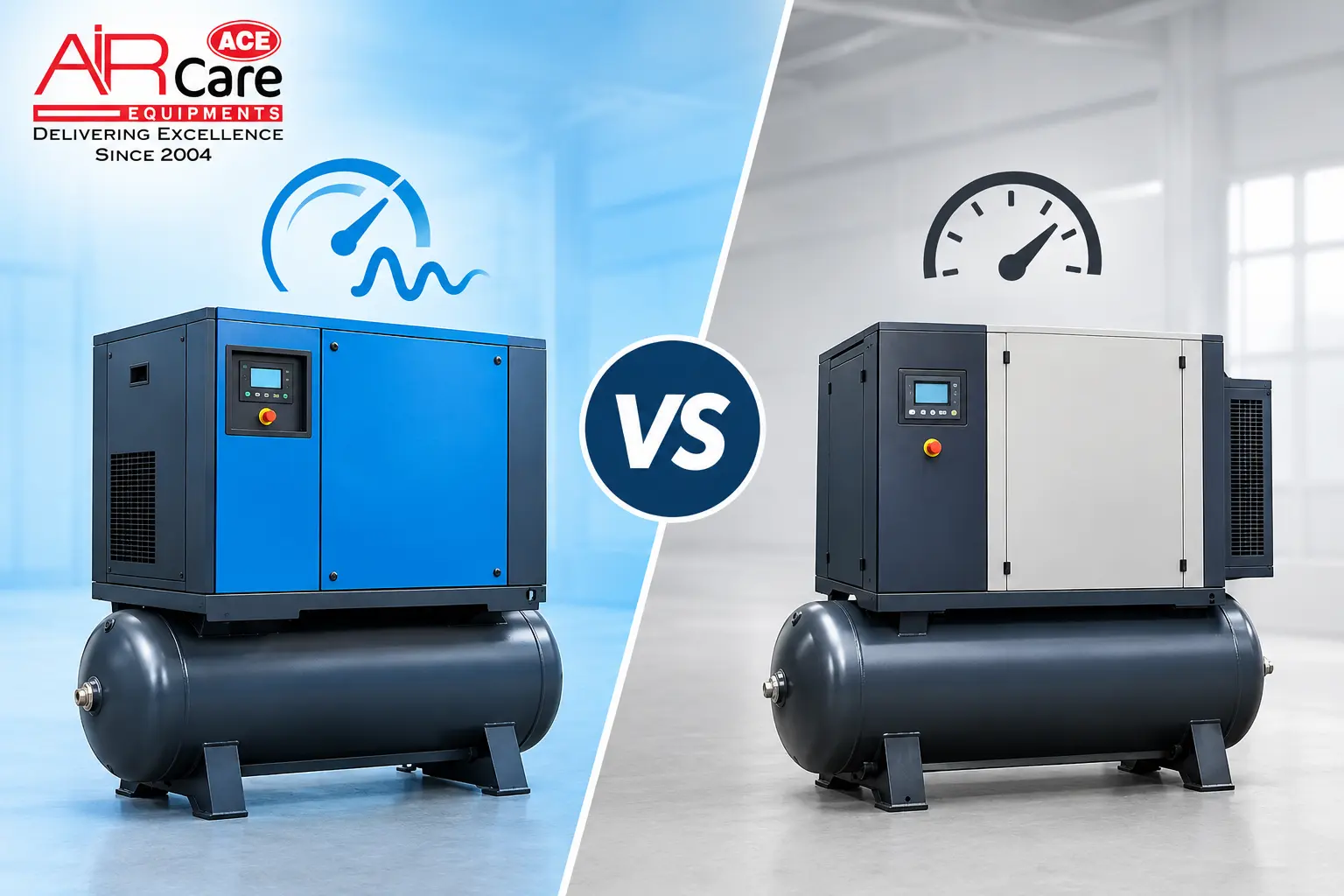
When we talk about an Industrial Oil-Free Air Compressor, we are talking about a machine built for a 100% duty cycle. This means the machine can run 24 hours a day, 7 days a week, without needing to rest to cool down.
Standard "hobby" compressors will seize up under this kind of stress. Industrial-grade units feature oversized coolers, advanced PLC controllers that monitor every vital sign of the machine, and heavy-duty air ends designed to last for decades. If your production line stopping means losing lakhs of rupees per hour, you cannot afford anything less than industrial-grade.
Maintenance Requirements: The Reality Check
One of the biggest myths in the industry is that oil-free means "zero maintenance." This is simply not true. While you won't be checking oil levels or changing oil filters, these machines have their own unique needs.
The Teflon or specialised coatings on the rotors or pistons will eventually wear down. The air intake filters are even more critical here, because there is no oil to "wash" away dust, any grit that enters the compression chamber can cause immediate damage. Regular inspection of the cooling system and the moisture drains is vital to keep the machine running at peak efficiency.
Understanding Air Quality Standards (ISO 8573-1)
When you buy a compressor, you are actually buying the air it produces. To speak the language of quality, you need to know ISO 8573-1. This is the international standard that classifies air purity.
Most oil-free machines aim for Class 0. This is the most stringent class, covering oil contamination in total (aerosol, liquid, and vapor). If your auditor asks for Class 0 air, an oil-injected compressor with filters technically won't meet the definition as reliably as a dedicated oil-free unit.
Read More: The Ultimate Guide to Choosing the Right Rotary Screw Compressor
Consider Energy Efficiency (VSD Technology)
Air compressors are notoriously energy-hungry. In fact, over a 10-year period, electricity usually accounts for 75% of the total cost of owning a compressor.
To combat this, look for units with Variable Speed Drive (VSD). Instead of running at full speed and then "idling" (wasting power) when demand drops, a VSD compressor slows down or speeds up to match your exact air usage. It’s like a dimmer switch for your power bill.
Conclusion: Making the Right Move
Investing in Oil Free Air Compressors is a commitment to quality, safety, and long-term operational efficiency. While the initial investment might require a larger budget, the peace of mind knowing that your product is safe from oil contamination is priceless. Whether you are running a small pharmaceutical lab or a massive automotive assembly plant, the right air system serves as the heartbeat of your facility.
At Air Care Equipments, we don't just sell machines; we provide solutions that keep your business breathing. We help you balance the CFM requirements, the specific industrial demands of your sector, and the long-term energy goals of your company. Choosing the right Oil Free Air Compressors today means a smoother, cleaner, and more profitable tomorrow.
FAQs
Q1: Do oil-free air compressors require any lubrication at all?
While the compression chamber is 100% oil-free, some models use oil strictly for gearbox lubrication, completely sealed away from the air stream.
Q2: Can I convert my existing oil-lubricated compressor into an oil-free one?
No, the internal engineering, tolerances, and surface coatings are fundamentally different and cannot be retrofitted.
Q3: How often should I replace the air filters in oil-free air compressors?
Filters should generally be inspected monthly and replaced every 2,000 to 4,000 hours to prevent dust from damaging the specialised rotor coatings.
Q4: Is the air from an oil-free compressor naturally dry?
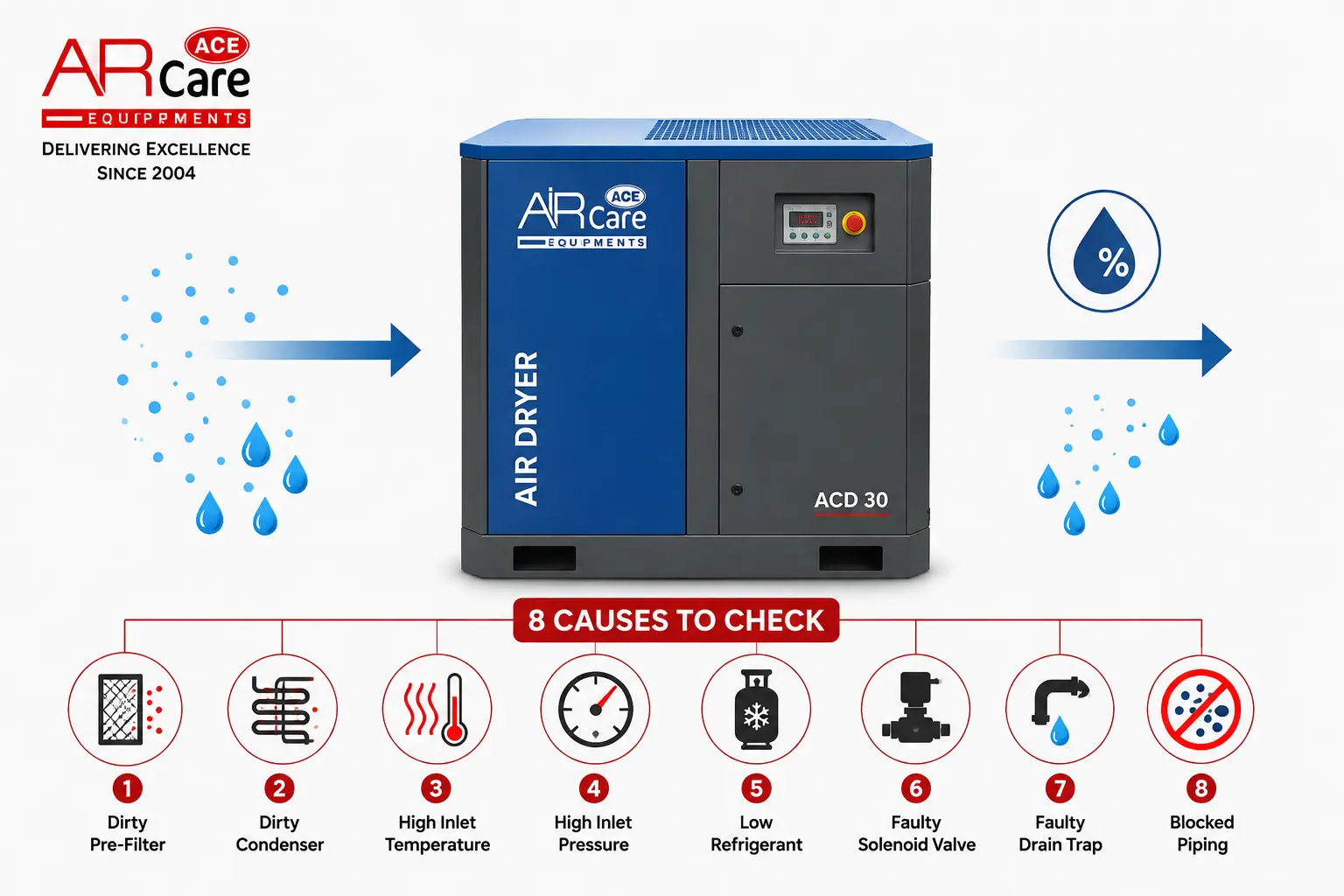
No, oil-free air still contains moisture from the atmosphere and requires an external or integrated air dryer to prevent pipe corrosion.
Q5: What is the average lifespan of an industrial oil-free air compressor?
With proper maintenance and timely service of the air end, a high-quality industrial unit can reliably serve a facility for 15 to 20 years.
Recent Posts