Why Air Compressors Require Regular Repairing and Servicing
Air compressors play an important role in manufacturing, automotive workshops, packaging, engineering, and many other industries. They power pneumatic tools, operate machinery, and support daily production activities. When an air compressor does not perform properly, it can affect productivity, increase operating costs, and interrupt industrial processes.
Continuous operation can cause wear and tear in compressor components. Dust, blocked filters, air leaks, overheating, and poor maintenance may gradually reduce performance. This is why regular air compressor repairing and servicing is essential for keeping equipment in good working condition.
Air Care Equipment provides industrial compressed-air solutions and helps businesses understand the importance of proper compressor maintenance. In this guide, we explain why regular servicing matters, which warning signs to monitor, and how preventive maintenance can support reliable operation.
Quick Answer: Why Do Air Compressors Need Regular Servicing?
Air compressors require regular servicing to maintain performance, identify developing faults, reduce unexpected downtime, and support a longer equipment life. Routine maintenance can also help identify air leaks, clogged filters, overheating, unusual noise, and pressure problems before they lead to major breakdowns.
The correct service schedule depends on the compressor model, operating hours, working environment, and manufacturer's recommendations.
1. Helps Improve Air Compressor Performance
Regular use of mechanical equipment can gradually affect its performance. Dust accumulation, worn components, blocked filters, and cooling problems may reduce an air compressor's ability to deliver the required airflow and pressure.
When these issues are not addressed, the compressor may take longer to build pressure or struggle to supply connected machinery.
Professional air compressor servicing helps identify the cause of reduced performance. Depending on the condition of the equipment, maintenance may involve cleaning filters, inspecting components, checking pressure settings, or replacing worn parts.
Regular inspection helps businesses identify problems early and maintain more consistent compressor operation.
2. Helps Increase Productivity and Reduce Downtime
Air compressors often support essential production activities. If a compressor suddenly stops working, connected machines may also stop, resulting in production delays and missed deadlines.
Regular air compressor repair and service can help identify warning signs before they develop into serious faults.
Common warning signs include:
-
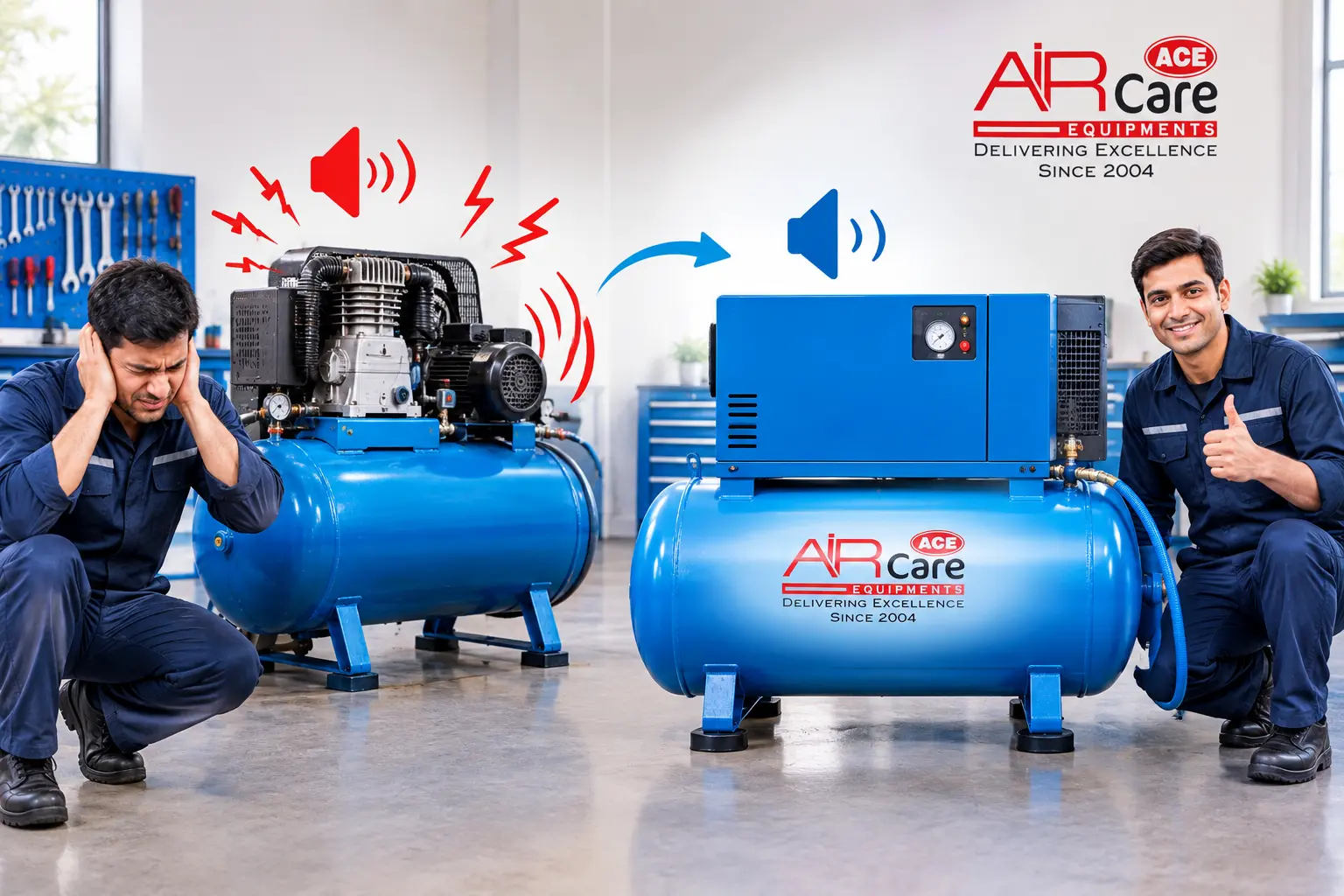
Unusual noise or vibration
-
Higher-than-normal operating temperature
-
Reduced airflow or pressure
-
Frequent starting and stopping
-
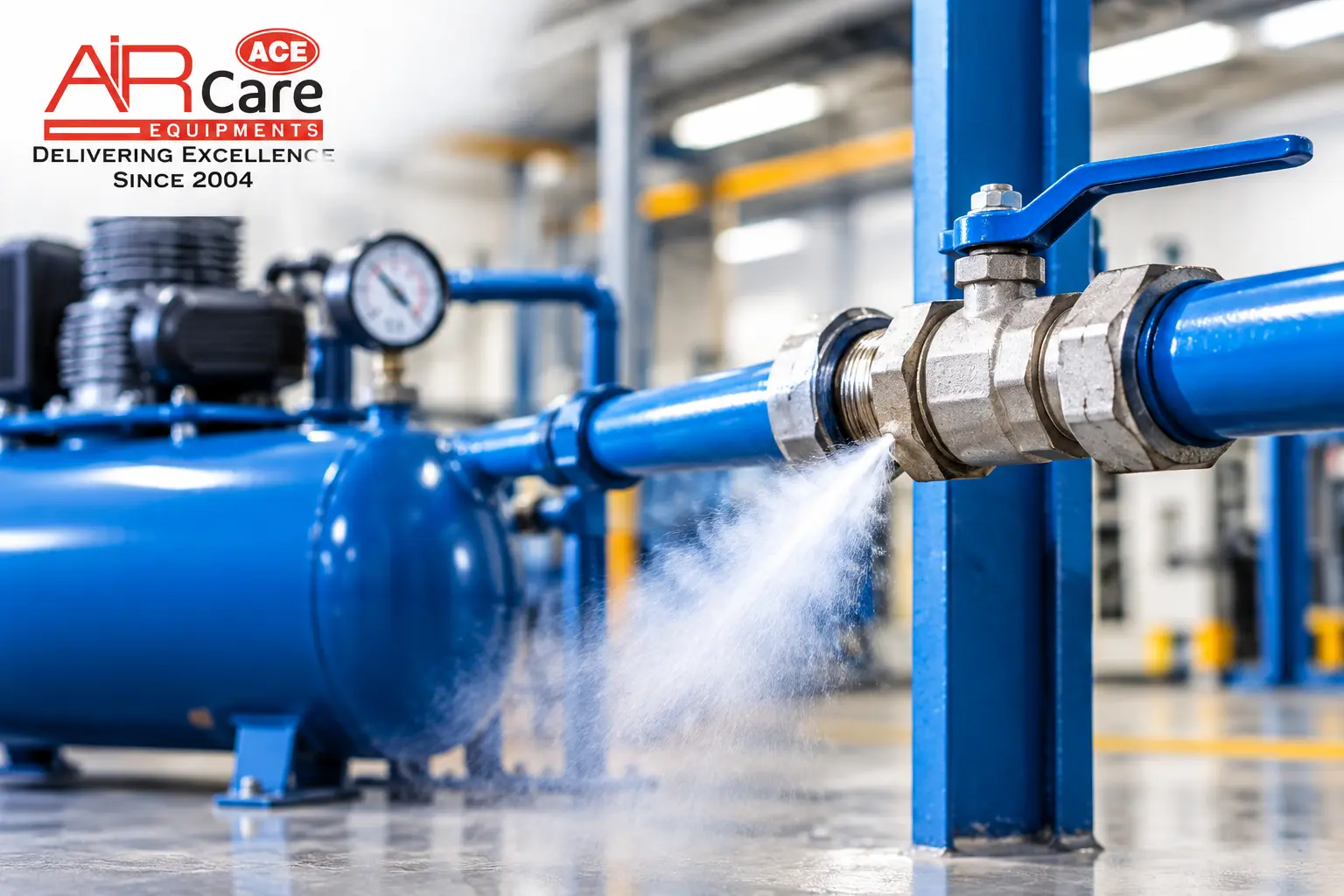
Visible air leaks
-
Unexpected changes in energy consumption
Addressing these issues promptly can help reduce avoidable interruptions. Although preventive maintenance cannot prevent every breakdown, it allows businesses to plan servicing and repairs more effectively.
3. Helps Extend Air Compressor Service Life
Air compressors are important equipment investments. Replacing a compressor can involve purchasing costs, installation expenses, and operational disruption.
Regular maintenance helps keep components in suitable working condition and allows technicians to identify wear before it causes further damage.
A maintenance programme may include:
-
Inspecting filters and cooling systems
-
Checking valves and other mechanical components
-
Monitoring pressure and temperature
-
Inspecting electrical connections
-
Checking for leaks
-
Replacing parts according to manufacturer recommendations
Proper maintenance supports reliable operation and helps businesses make better use of their equipment investment. Actual service life depends on the compressor design, workload, installation conditions, and maintenance history.
4. Helps Reduce Energy Waste
Air compressors can consume significant electricity, particularly in facilities that operate them for long hours.
Air leaks, blocked filters, excessive pressure settings, and poorly maintained components can make a compressor work harder than necessary. This may increase energy consumption and operating costs.
During servicing, technicians can inspect the compressor and compressed-air distribution system for potential performance problems.
Businesses should pay attention to:
-
Air leaks in hoses, fittings, and pipelines
-
Restricted airflow caused by dirty filters
-
Incorrect pressure settings
-
Poor ventilation and cooling
-
Unnecessary compressor running time
Fixing these issues may improve system performance and reduce wasted energy. The actual savings depend on the condition of the equipment and the corrective work required.
Related reading: Air Compressor Sizing Guide: Calculating CFM and PSI
Understanding the required airflow and working pressure can help businesses select and operate their compressors more effectively.
5. Helps Identify Faults Before They Become Major Problems
Small compressor problems can become more expensive if they remain unnoticed. A minor leak, unusual vibration, or gradual temperature increase may indicate an issue that requires investigation.
Regular inspections help identify changes in operating conditions and determine whether maintenance or repairs are needed.
For example, low pressure may result from an air leak, blocked filter, excessive demand, or a mechanical fault. A proper inspection helps identify the actual cause instead of replacing parts unnecessarily.
Timely diagnosis can help businesses plan repairs, arrange spare parts, and reduce the risk of further damage.
6. Helps Protect Connected Machinery
Compressed air is used to operate pneumatic tools, valves, cylinders, instruments, and production equipment. Problems in the compressor or air-treatment system may affect the performance of connected machinery.
Moisture, particles, and other contaminants can also create problems when the system does not provide the air quality required by the application.
Regular servicing should therefore include appropriate checks of the complete compressed-air system, not just the compressor itself.
Depending on the installation, this may involve inspecting filters, dryers, condensate drains, piping, and air receiver equipment.
Related reading: Air Compressor Parts Explained: Names, Functions and Maintenance
7. Helps Manage Repair and Maintenance Costs
Unexpected compressor failures may result in emergency service calls, replacement components, production delays, and additional labour costs.
Preventive maintenance helps businesses identify developing issues and plan repairs before equipment condition deteriorates further.
A planned maintenance programme can also help businesses monitor service history, track recurring faults, and schedule component replacement according to manufacturer recommendations.
Regular servicing does involve costs, but these should be compared with the potential cost of unexpected breakdowns, wasted energy, and interrupted production.
Common Signs Your Air Compressor Needs Repairing
Recognising early warning signs can help businesses arrange inspections before a fault causes a major disruption.
|
Warning sign |
Possible cause |
|
Low air pressure |
Air leaks, blocked filters, excessive demand, or mechanical problems |
|
Unusual noise |
Loose parts, worn components, or vibration |
|
Overheating |
Cooling problems, restricted ventilation, or operating faults |
|
Frequent starting and stopping |
Air leaks, changing demand, or control problems |
|
Excessive vibration |
Loose mounting, alignment issues, or component wear |
|
Increased electricity consumption |
Leaks, unsuitable pressure settings, or reduced system efficiency |
|
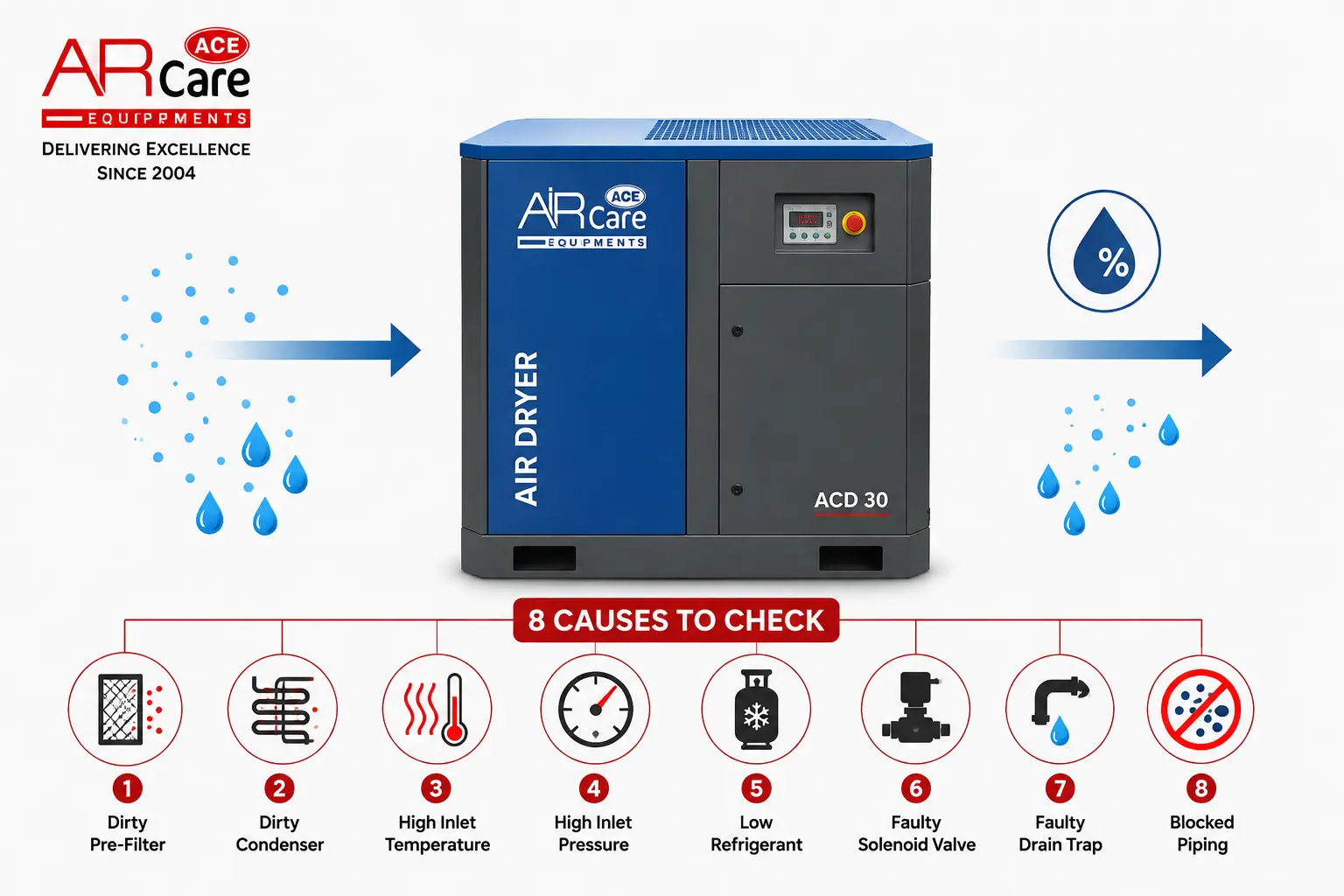
Moisture in compressed air |
Dryer problems, condensate drainage issues, or insufficient air treatment |
These symptoms do not always indicate the same fault. A qualified technician should inspect the equipment and diagnose the cause before repairs are undertaken.
Air Compressor Repairing vs Preventive Servicing
Although repairing and servicing are related, they have different purposes.
|
Factor |
Preventive servicing |
Repairing |
|
Main purpose |
Maintain equipment condition |
Correct an existing fault |
|
Timing |
Planned at regular intervals |
When a fault or defect requires attention |
|
Typical work |
Inspection, cleaning, testing, and scheduled replacement |
Diagnosis, component repair, or replacement |
|
Main benefit |
Helps identify problems early |
Restores proper operation after a fault |
|
Planning |
Usually scheduled in advance |
May be planned or urgent |
Both are important for maintaining a reliable compressed-air system. The appropriate approach depends on the equipment, workload, and manufacturer's guidance.
How Often Should an Air Compressor Be Serviced?
There is no single maintenance interval that applies to every air compressor. The schedule depends on the compressor type, model, operating hours, environment, and manufacturer recommendations.
Businesses should:
-
Follow the manufacturer's maintenance manual.
-
Record operating hours and completed service work.
-
Inspect equipment for visible leaks, unusual noise, or temperature changes.
-
Check filters, cooling systems, and drains according to the prescribed schedule.
-
Arrange professional inspections when performance changes or warning signs appear.
-
Keep records of repairs, replaced parts, and recurring problems.
Compressors operating in dusty environments or under heavy workloads may require closer monitoring than equipment used intermittently in cleaner conditions.
Related reading: Air Compressor Maintenance Guide
Why Choose Air Care Equipment?
Air Care Equipment provides compressed-air solutions for industrial and commercial applications. Choosing and maintaining the right equipment requires an understanding of the compressor's operating conditions, airflow requirements, pressure needs, and maintenance requirements.
Businesses should ensure that servicing is carried out according to the manufacturer's recommendations and that any repairs are performed by suitably qualified technicians.
Whether you need an industrial compressor or guidance on maintaining an existing system, reviewing the equipment specifications and maintenance history is a useful starting point.
Visit Air Care Equipment to explore compressed-air solutions for your application.
Need Help With Air Compressor Repairing and Servicing?
Do not ignore repeated pressure problems, unusual noise, overheating, or other changes in compressor performance. Arrange an inspection to identify the cause and determine the appropriate corrective action.
Contact Air Care Equipment to discuss your compressed-air requirements and explore suitable equipment solutions.
Frequently Asked Questions
1. Why is regular air compressor servicing important?
Regular servicing helps maintain performance, identify faults early, reduce unexpected downtime, and support reliable equipment operation.
2. What happens if an air compressor is not serviced regularly?
Poor maintenance may allow air leaks, blocked filters, overheating, and component wear to go unnoticed. These problems can reduce performance and increase the risk of breakdowns.
3. What are the common signs that an air compressor needs repair?
Common warning signs include low pressure, unusual noise, overheating, excessive vibration, frequent starting and stopping, and increased energy consumption.
4. Can regular servicing help reduce electricity costs?
It can help identify energy-wasting problems such as air leaks, restricted airflow, and unsuitable pressure settings. Actual savings depend on the condition of the system and the maintenance performed.
5. How often should an air compressor be serviced?
The maintenance interval depends on the compressor model, operating hours, workload, environment, and manufacturer recommendations. Follow the equipment manual rather than relying on a single schedule for all compressors.
6. What is the difference between air compressor repair and servicing?
Servicing involves planned inspections and maintenance to keep equipment in suitable condition. Repairing involves diagnosing and correcting a fault that has already developed.
7. Does servicing help extend an air compressor's service life?
Regular maintenance can help reduce avoidable wear and identify developing faults. Actual service life depends on equipment design, workload, operating conditions, and maintenance quality.
8. Why should air leaks be checked during compressor maintenance?
Air leaks waste compressed air and may force the compressor to run longer to maintain pressure. Finding and repairing leaks can help improve system performance.
Conclusion
Regular air compressor repairing and servicing is important for maintaining performance, reducing avoidable downtime, controlling energy waste, and supporting a longer equipment service life.
By monitoring warning signs, following the manufacturer's maintenance schedule, checking for leaks, and addressing developing faults promptly, businesses can manage their compressed-air systems more effectively.
For reliable operation, maintenance should cover the compressor and the supporting equipment, including filters, dryers, drains, and distribution piping where applicable. A planned approach helps businesses make informed maintenance decisions and keep essential industrial processes running smoothly.
Recent Posts