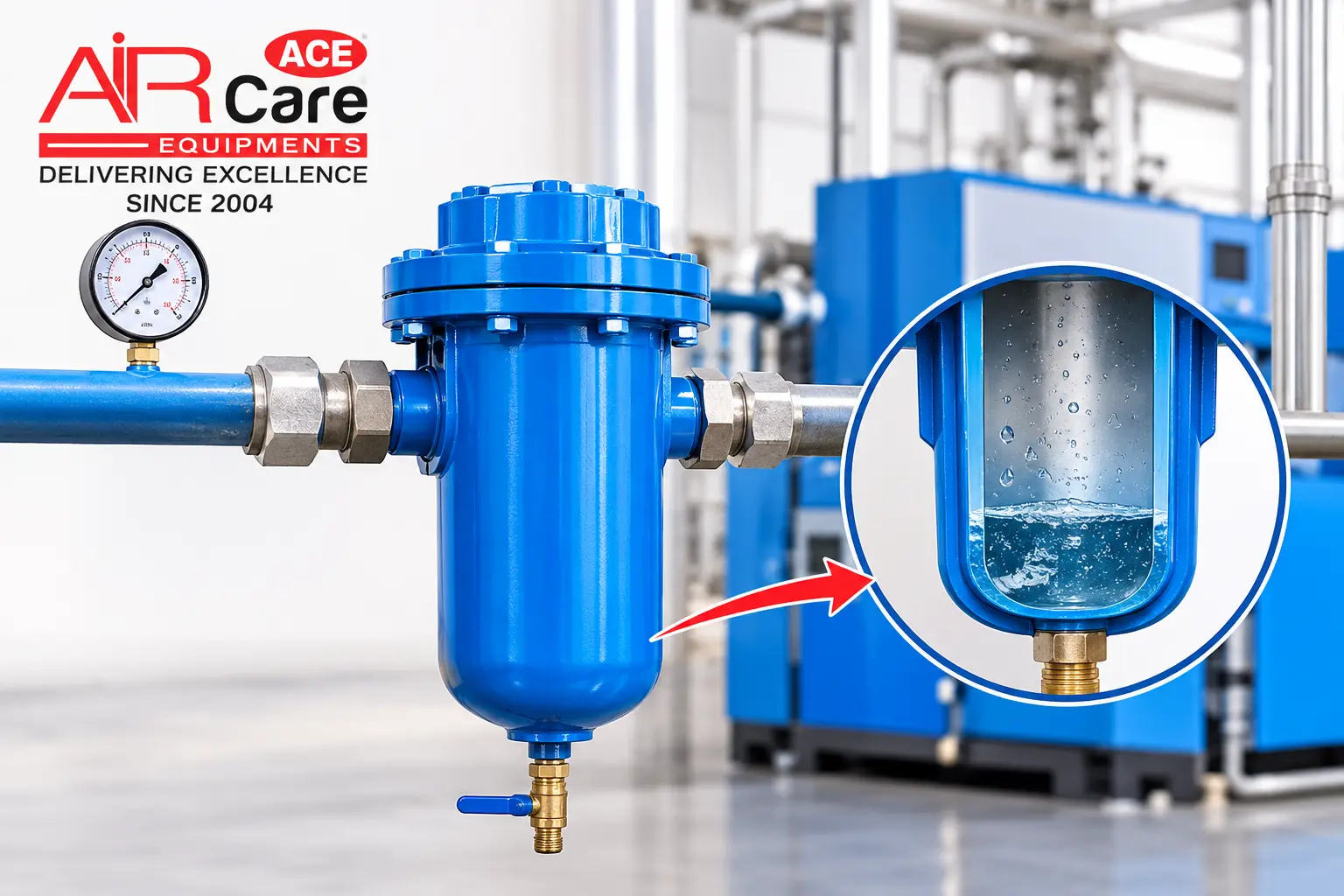
What Is a Moisture Separator? Working, Benefits and Applications
Compressed air is used in many industries. It runs tools, machines, and control systems. It also helps with many daily factory tasks.
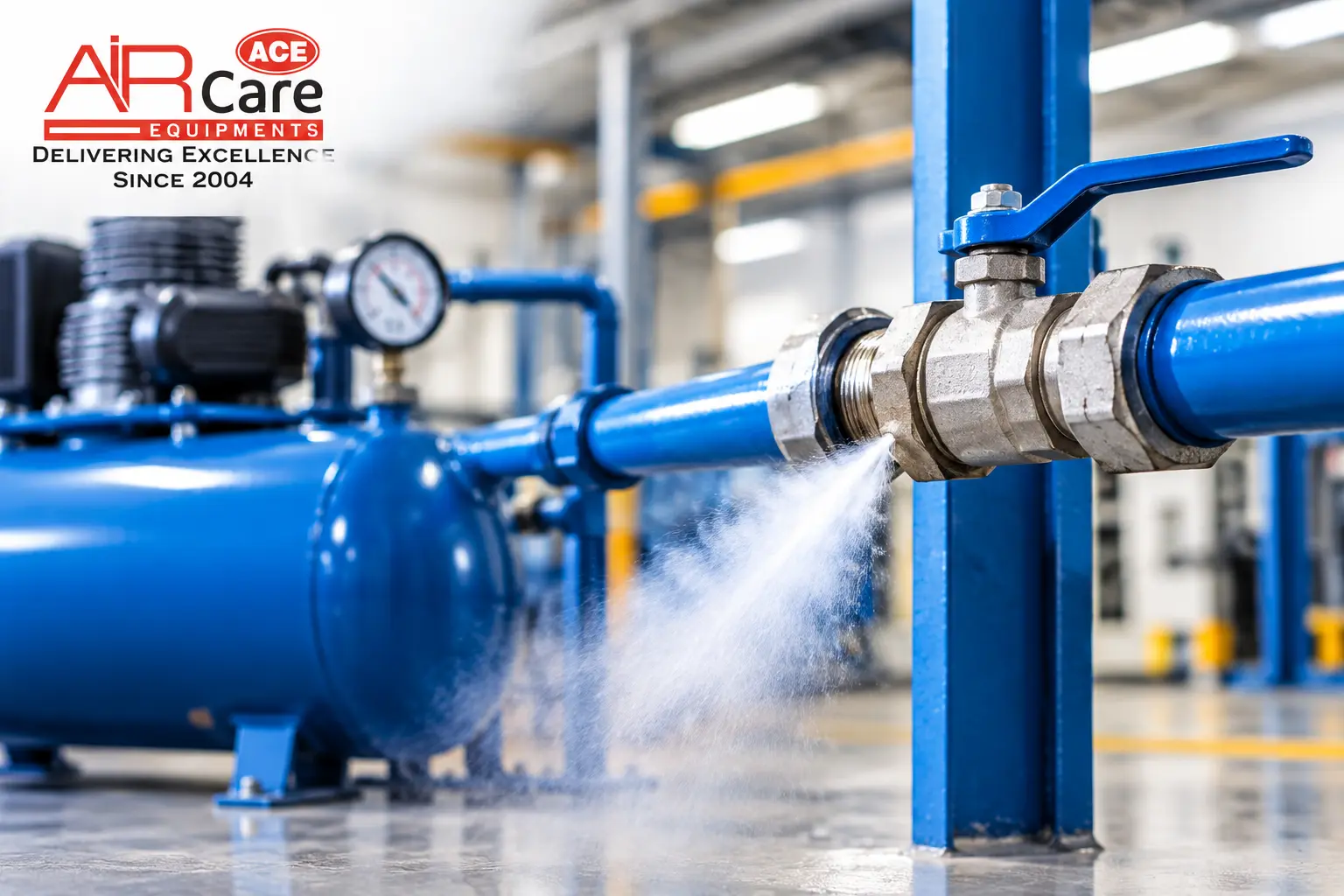
But compressed air can contain water. This water forms when warm air cools down. It can collect inside pipes and equipment.
Too much water can cause rust. It can also damage air tools and affect production. These problems may increase repair costs.
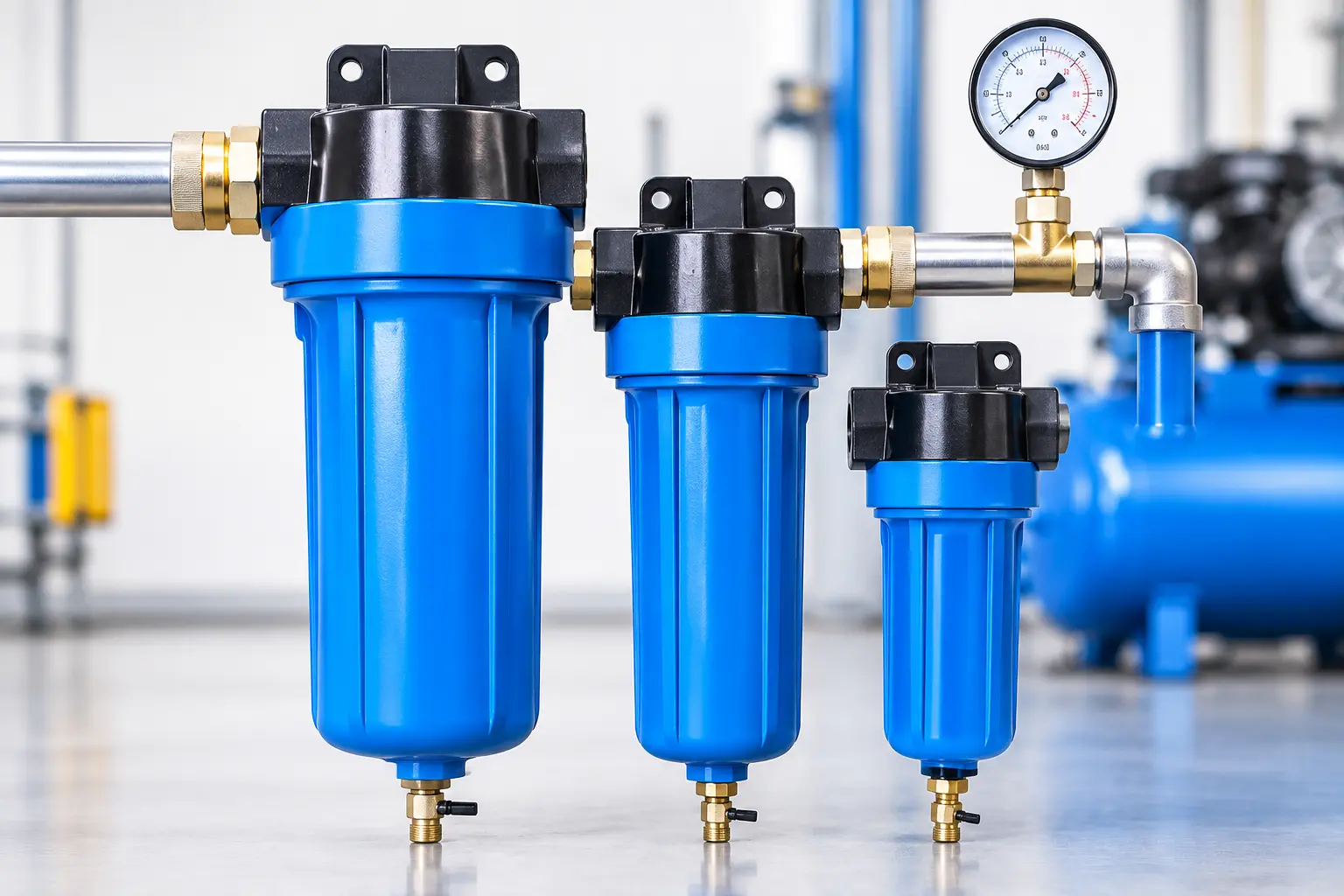
A Moisture Separator helps solve this problem. It removes liquid water from compressed air. This helps protect the equipment connected to the air system.
In this blog, you will learn how a moisture separator works. You will also learn about its types, benefits, uses, and care.
Quick Answer
A Moisture Separator removes liquid water from compressed air. It helps protect pipes, tools, and machines. An air compressor moisture separator collects water before it reaches other equipment. It does not remove all water vapour. An air dryer is needed when a process requires very dry air.
Key Takeaways
-
A Moisture Separator removes liquid water from compressed air.
-
It helps protect machines, tools, and pipes.
-
A water separator collects water in a chamber.
-
A compressed air separator can use different methods to remove water.
-
Regular cleaning and drainage help the unit work well.
-
An air dryer removes more moisture from compressed air.
What Is a Moisture Separator?
A Moisture Separator is a device that removes liquid water from compressed air. It separates water drops from the moving air. The water collects in a chamber. A drain then removes it from the unit.
Water forms when compressed air cools. The amount depends on the air temperature, humidity, and pressure.
A separator removes this liquid water before it moves further through the system. This helps protect pipes, tools, and machines.
However, a separator does not remove all water vapour. Some applications also need an air dryer.
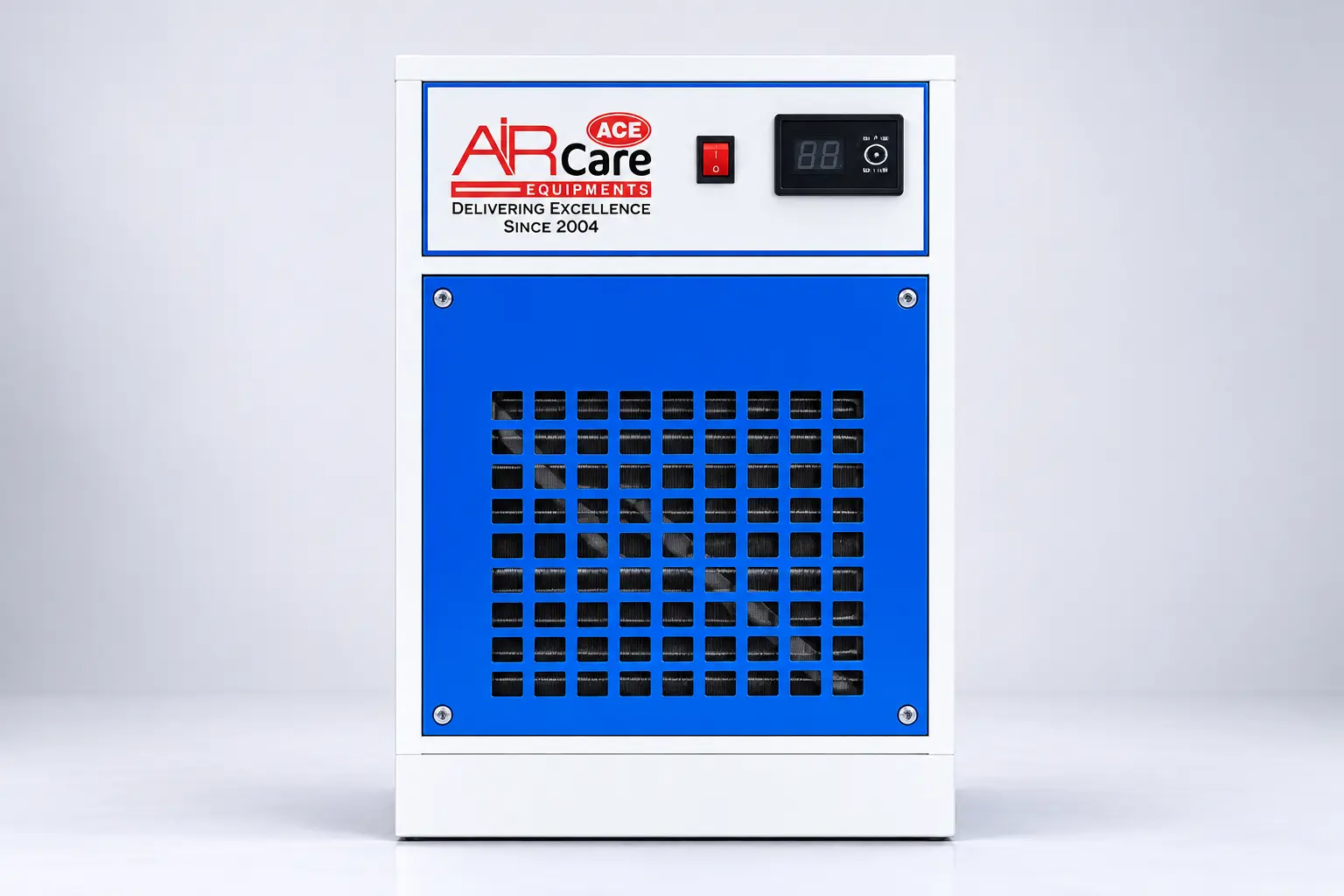
An Air Dryer helps reduce the remaining moisture in compressed air when a lower pressure dew point is required.
How Does a Moisture Separator Work?
A Moisture Separator separates water drops from compressed air. The working method depends on its design.
Some units use circular airflow. Others use filters or changes in airflow direction.
Here is how the process works:
1. Wet Air Enters the Unit
Compressed air enters through the inlet. It carries small drops of water. The unit guides the air inside.
2. Water Drops Separate
Some separators make the air move in a circular path. This movement pushes heavier water drops towards the outer wall.
Other models use filter parts to catch the drops.
3. Water Collects in a Chamber
The water moves down into a collection chamber. It stays separate from the main airflow.
4. Air Moves to the Outlet
The separated air leaves through the outlet. It then moves to the next part of the system.
5. Water Leaves Through the Drain
The collected water must be removed. Some units have a manual drain. Others have an automatic drain.
Regular drainage helps keep the separator in good working condition.
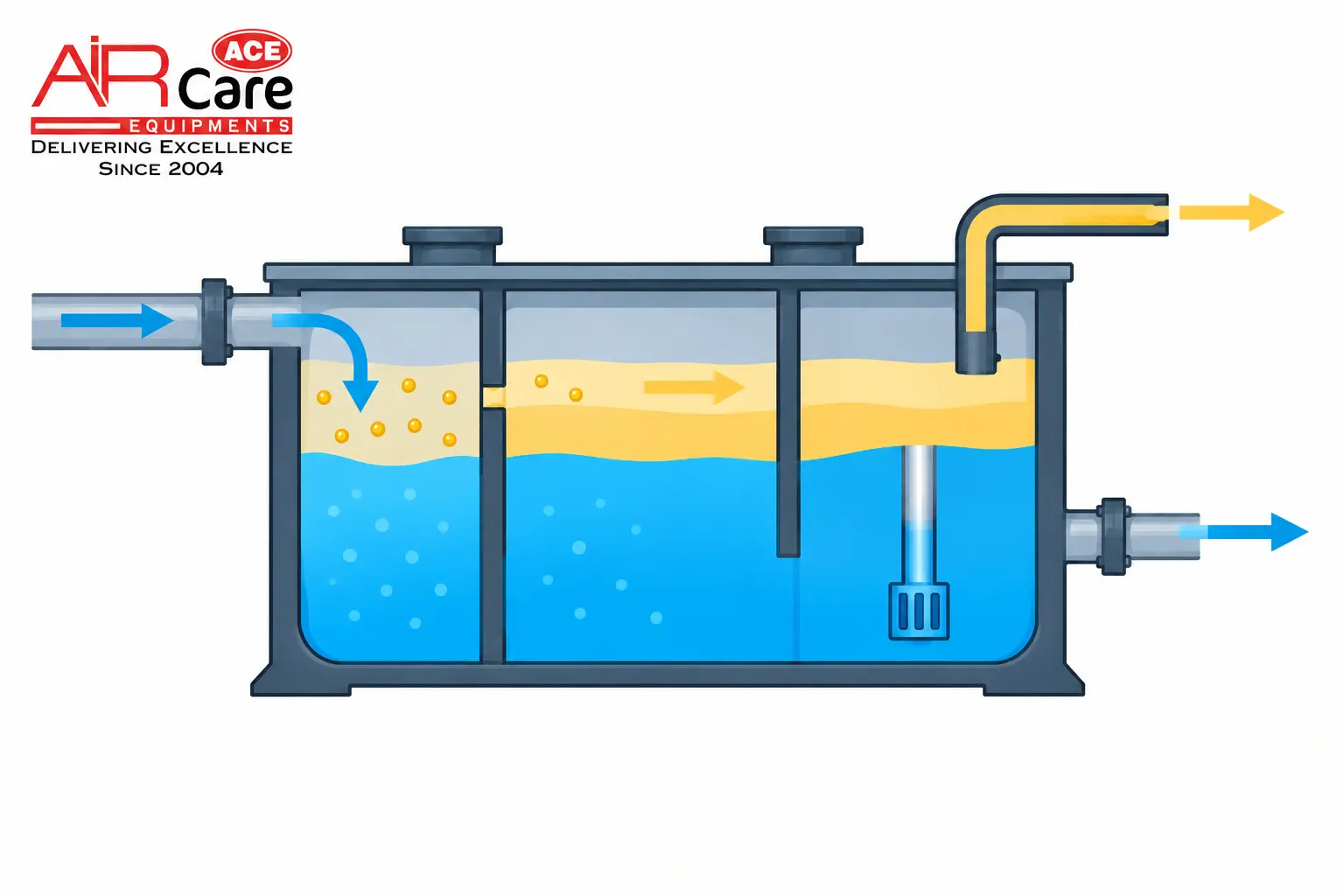
Read More: Oil-Water Separator: Working, Components & Uses
What Are the Different Types of Moisture Separators?
Moisture separators come in different types. Each type works differently.
1. Centrifugal Moisture Separator
This type uses circular airflow. The air spins inside the unit. Heavier water drops move towards the outer wall. The water then falls into a collection chamber.
It is often used to remove larger amounts of liquid water.
2. Coalescing Separator
This type uses a special filter element. The filter catches small liquid drops. These drops join together and form larger drops.
The larger drops then move into a collection area. A drain removes the collected water.
3. Direction-Change Separator
This type changes the airflow direction. Water drops may hit the inner walls. They then fall into the collection area.
The drain removes the collected liquid.
|
Type |
Working Method |
Common Use |
|
Centrifugal |
Uses circular airflow |
Bulk water removal |
|
Coalescing |
Joins small liquid drops |
Fine liquid removal |
|
Direction-change |
Changes airflow direction |
General air systems |
What Is an Air Compressor Moisture Separator?
An air compressor moisture separator removes liquid water from compressed air. It helps stop water from reaching other equipment.
It is often fitted after an aftercooler. An aftercooler lowers the temperature of compressed air. This causes some water vapour to turn into liquid drops.
The separator then collects these drops.
Choose a unit that matches your compressor. Check its airflow capacity and working pressure. Also check the pipe size and amount of water in the system.
A small unit may not handle the full airflow. It may also fail to remove the amount of water produced.
What Are the Benefits of a Moisture Separator?
A Moisture Separator helps control water in compressed air systems. It offers several benefits.
1. Protects Equipment
Water can cause rust inside pipes. It can also affect valves and air tools. Removing liquid water helps protect these parts.
2. Helps Keep Air Lines Dry
A separator removes liquid water before it moves through the system. This helps reduce unwanted water in air lines.
3. Reduces the Load on Other Equipment
A separator removes larger amounts of liquid water. This means that filters and dryers may have less liquid water to handle.
A suitable Refrigerated Air Dryer can further reduce moisture in compressed air for applications that require drier air.
4. Helps Reduce Repair Needs
Too much water can cause equipment problems. Removing liquid water helps reduce some moisture-related issues.
5. Supports Smooth Operation
Water can affect tools and machines. A suitable separator helps control this problem. It supports steady equipment operation.
Results depend on system design and regular maintenance.
What Is Condensate in a Compressed Air System?
Condensate is liquid water that forms when water vapour cools. It can collect in several parts of an air system.
These parts include:
-
Aftercoolers
-
Air receivers
-
Moisture separators
-
Filters
-
Low points in air pipes
In some systems, this liquid may also contain oil. This can happen when the compressor uses oil for lubrication.
Do not ignore collected condensate. Drain it safely. Follow the correct disposal rules. Some systems need special treatment before disposal.
Where Are Moisture Separators Used?
A compressed air separator is useful in many industries. These industries use compressed air to run tools and machines.
|
Industry |
Common Application |
|
Automotive |
Air tools and paint systems |
|
Food processing |
Packaging machines |
|
Pharmaceuticals |
Production equipment |
|
Textiles |
Pneumatic machines |
|
Engineering |
CNC machines and workshop tools |
|
Cement |
Pneumatic equipment and controls |
Each industry has different air quality needs. Some processes may also need filters and air dryers.
How to Choose the Right Moisture Separator
Choosing the right moisture separator matters. A suitable unit should match your air system.
Check these points before buying one:
-
Airflow: Choose a unit that can handle the compressor’s airflow.
-
Pressure: Check your air system's working pressure.
-
Pipe size: Match the unit’s inlet and outlet with your pipes.
-
Water level: Check how much liquid water the system produces.
-
Drain type: Choose a manual or automatic drain.
-
Maintenance: Check how easy it is to clean and service the unit.
-
Air quality: Decide if you also need an air dryer.
Do not select a unit based on price alone. Check your system needs first.
Where Should a Moisture Separator Be Installed?
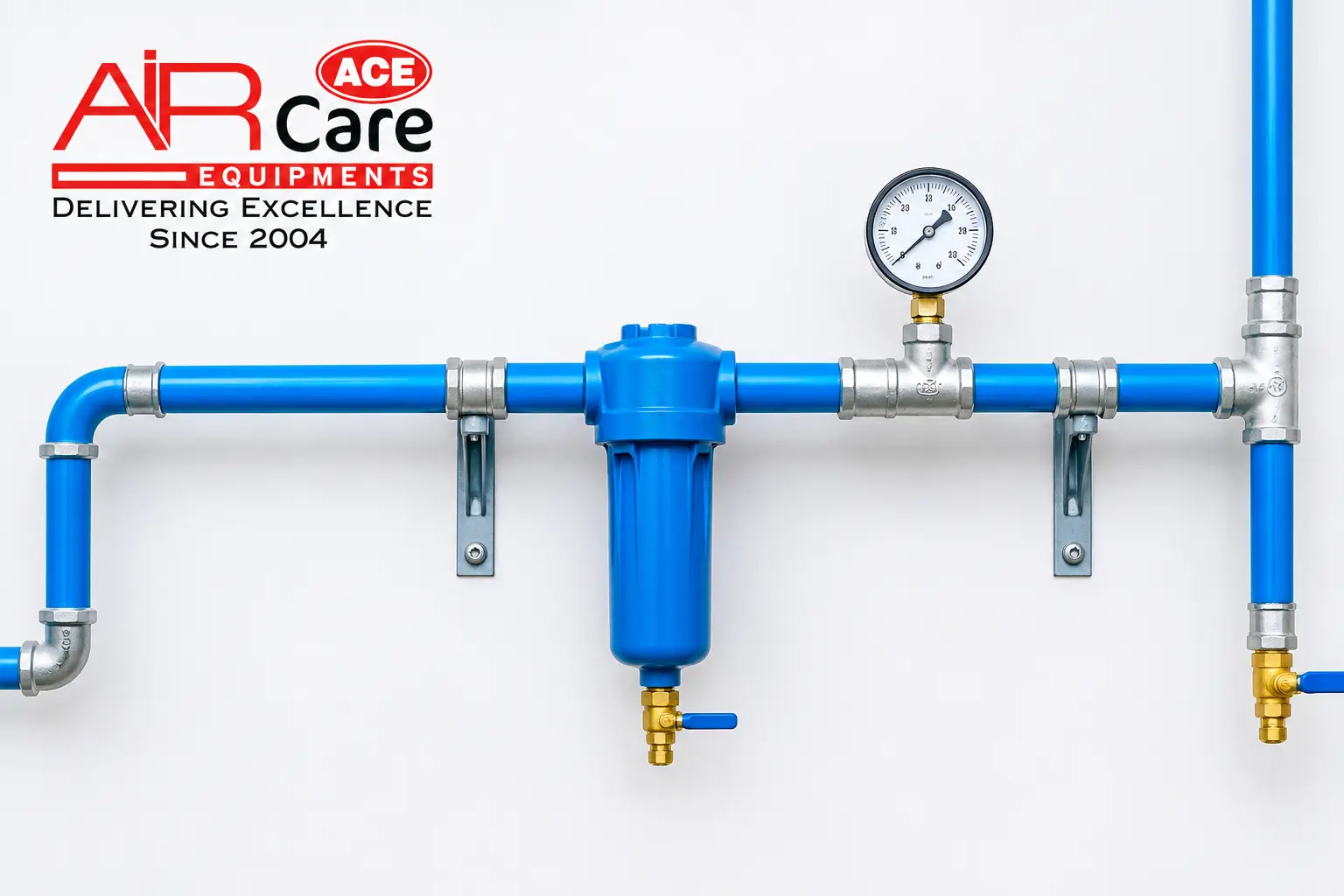
A separator is often fitted after the aftercooler. This is because the aftercooler helps turn water vapour into liquid drops.
A common system layout is
Air Compressor → Aftercooler → Moisture Separator → Air Receiver or Dryer → Filters → Point of Use
The exact layout may change from one system to another. Follow the equipment maker’s instructions.
Also check the airflow direction. Keep the drain easy to reach. This makes regular checks and cleaning easier.
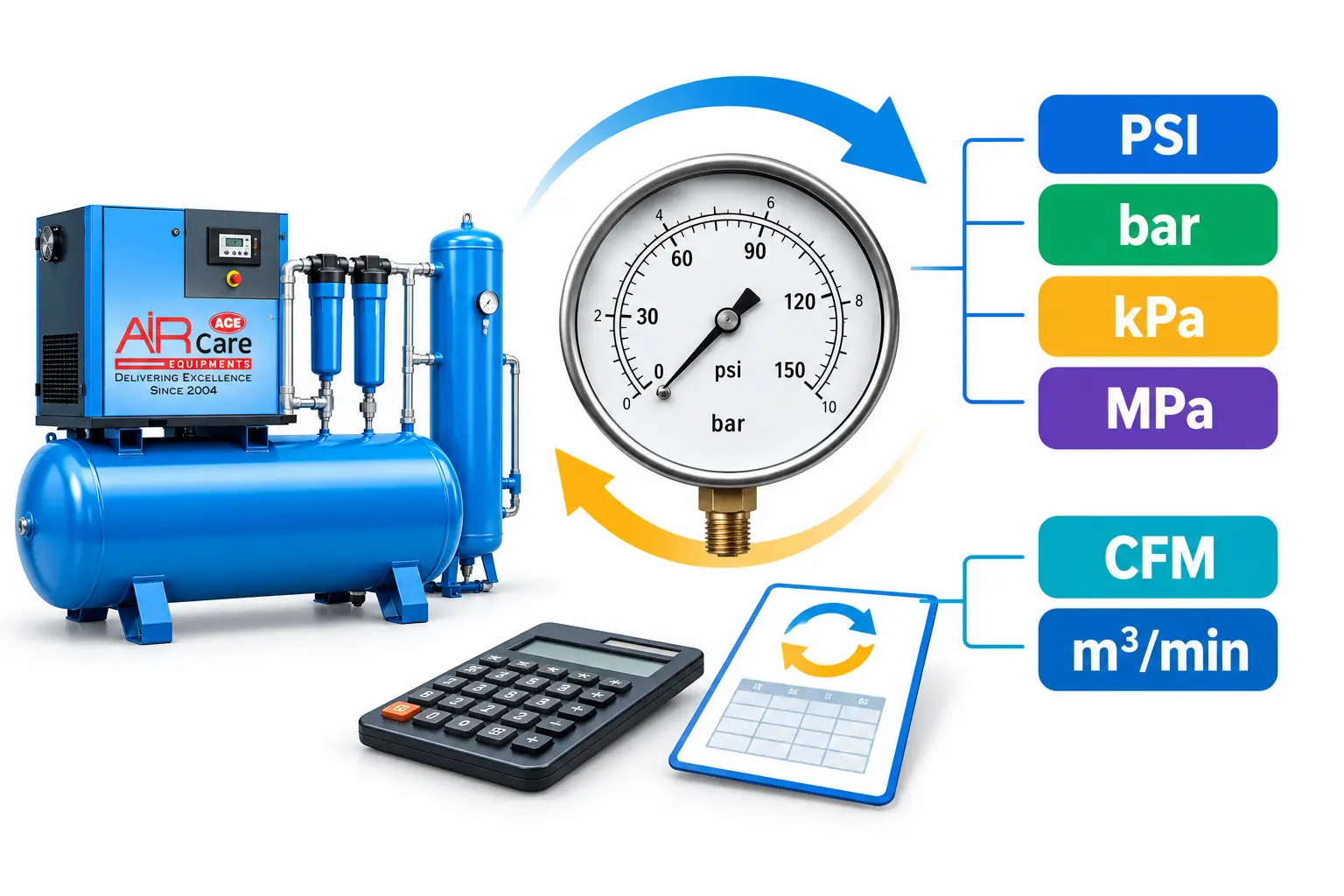
Also Read: Compressed Air Unit Conversion: Formulas & Guide
How to Maintain a Moisture Separator
Regular care helps a moisture separator work well. Follow these simple steps:
-
Check the drain: Make sure water leaves the chamber.
-
Look for leaks: Check the body, pipes, and fittings.
-
Check pressure: Watch for unusual pressure drops.
-
Clean the unit: Follow the manufacturer’s cleaning instructions.
-
Check internal parts: Inspect filters and other service parts when needed.
-
Follow safety rules: Release pressure before opening the unit.
Never open a separator while it is under pressure. Always follow the equipment manual.
Moisture Separator vs Air Dryer: What Is the Difference?
A moisture separator and an air dryer both control moisture. But they do different jobs.
A separator removes liquid water drops. An air dryer removes more moisture from the air. It helps lower the pressure dew point.
|
Point |
Moisture Separator |
Air Dryer |
|
Main job |
Removes liquid water |
Reduces water vapour |
|
Method |
Airflow or filter element |
Cooling or drying material |
|
Main use |
Removes bulk water |
Produces drier air |
|
System position |
Often after the aftercooler |
Depends on system design |
Both units can work together. The separator removes liquid water first. The dryer then reduces the remaining moisture.
For applications requiring lower pressure dew points, Heatless Air Dryers can be considered.
How Air Care Equipment Supports Compressed Air Needs
Every compressed air system has different needs. The right equipment depends on airflow, pressure, and moisture levels.
Air Care Equipment provides industrial compressed air equipment solutions. Before choosing a Moisture Separator, check your compressor capacity and pipe size. Also check the working pressure and water production rate.
Good equipment selection helps protect machines. It also supports better compressed air management.
Final Thoughts
A Moisture Separator removes liquid water from compressed air. It helps protect pipes, tools, and machines from water damage.
Choose a unit that matches your airflow and pressure needs. Check how much water is in your system. Clean the unit and drain the collected water on time.
Remember, a separator does not remove all water vapour. You may also need an air dryer for very dry air.
Contact Air Care Equipment to discuss your industrial compressed air needs.
Frequently Asked Questions
Q1. What is a Moisture Separator used for?
A moisture separator removes liquid water from compressed air. It helps protect pipes, tools, and machines.
Q2. How does an air compressor moisture separator work?
An air compressor moisture separator separates water drops from moving air. It then collects the water for drainage.
Q3. Does a moisture separator remove water vapour?
No. It removes liquid water drops. An air dryer is needed to reduce water vapour.
Q4. What is a water separator?
A water separator removes liquid water from compressed air. It collects the water in a chamber.
Q5. What is condensate?
Condensate is liquid water that forms when water vapour cools.
Q6. Where is a compressed air separator installed?
A compressed air separator is often installed after the aftercooler. The exact position depends on the system design.
Q7. How often should I check a moisture separator?
Check the drain and unit regularly. Follow the manufacturer’s service instructions.
Q8. Can a moisture separator improve air quality?
Yes. It removes liquid water drops from compressed air. Some systems also need filters or an air dryer.
Recent Posts