Air Compressor Tanks: Why They Are Crucial for Industrial Productivity and Efficiency
In the fast-paced world of industrial activities, it is important to maintain productivity and ensure equipment reliability. One component that plays a crucial role behind the scenes is the air compressor tank, often referred to as the air receiver tank. This simple but robust vessel is integrated into effective compressed air systems, improving operating stability, energy savings, and equipment life. Whether operating pneumatic tools, conveyor lines, or spray paint, the air compressor tank supports a wide selection of industrial applications.
What Is an Air Compressor Tank?
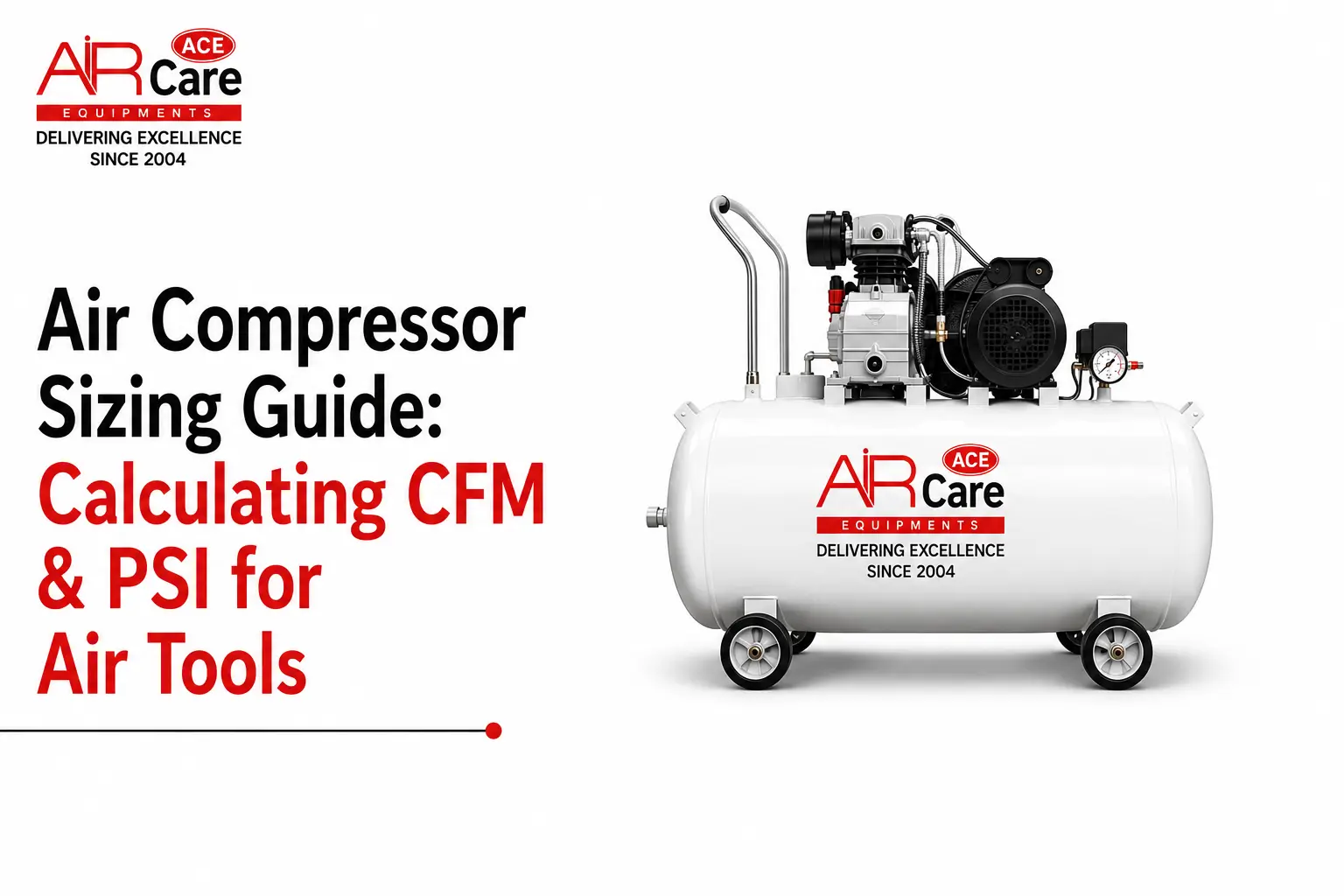
An air compressor tank (or air receiver tank) is a dedicated storage vessel that houses compressed air generated by an air compressor. The tank acts as a reservoir and ensures that a uniform supply of pressure is available when needed. Air compressor tanks come in different sizes and capacities, designed to match the requirements of various industrial setups — from small workshops to large manufacturing facilities.
The location and configuration of air tanks vary: the primary air tank is usually installed near the compressor, while secondary tanks can be placed closer to end-use points or areas with high air demand.
Working Principle of Air Compressor Tank
Understanding how an air compressor tank works sheds light on its importance in effective air delivery:
-
Air intake: The compressor pulls ambient air through an intake valve, usually filtered for cleanliness.
-
Compression: The captured air is compressed inside the chamber through pistons or rotary screws, increasing pressure while reducing volume.
-
Air storage: The high-pressure air is released into the air tank, safely stored as potential energy ready for use.
-
Controlled release: When needed, compressed air exits through an outlet valve, operating machines or tools.
The tank’s pressure regulator maintains optimal levels, preventing abrupt pressure drops and ensuring consistency.
The air tank not only stores air but also acts as a buffer between the compressor and the point of use, smoothing pressure fluctuations and extending the system’s lifespan.
Key Benefits of an Air Compressor Tank
-
Maintains Constant Pressure and Smooth Airflow
One of the main benefits of an air compressor tank is its ability to maintain constant air pressure throughout the system.
By storing compressed air, it balances peak demand and delivers a reliable supply for downstream applications. The tank reduces pulsations from the compressor, ensuring uniform airflow and minimizing downtime due to pressure dips.
(You can also read more about the advantages of air receiver tanks to understand how they perform across different industrial setups.)
-
Reduces Wear and Tear on Compressors
Without an air tank, compressors cycle on and off frequently to meet varying air demands.
This rapid cycling accelerates wear and causes premature failure in components, switches, and motors.
An air compressor tank reduces this strain, allowing the compressor to operate efficiently with fewer starts and stops.
-
Removes Moisture and Contaminants
Atmospheric air contains water vapor and impurities like dust and oil. When compressed, these pollutants condense as moisture, which can damage tools and reduce system efficiency.
Air tanks are typically equipped with traps and drains to remove condensed water — ensuring air quality and preventing corrosion.
-
Enhances Energy Efficiency and Lowers Operational Costs
Storing compressed air in a tank allows the system to meet peak demands without running the compressor at full power continuously.
This enables facilities to use smaller compressors while still benefiting from consistent airflow during high usage.
Result: optimized system size, reduced energy consumption, and lower costs.
(Discover more about the benefits of air receiver tanks in industrial processes and how they contribute to cost efficiency.)
-
Improves Safety and Reliability
Consistent air pressure, reduced wear, and efficient moisture removal all contribute to safer, more reliable operations.
By acting as a stabilizer, the air compressor tank helps prevent unintentional shutdowns and protects sensitive equipment from pressure-related damage.
Common Applications of Air Compressor Tanks
Air tanks are indispensable across numerous industries and applications, including:
-
Manufacturing and assembly plants
-
Automotive repair and paint shops
-
Textile and garment factories
-
Pharmaceutical, chemical, and food processing units
-
Power tools such as impact wrenches and pneumatic drills
-
Construction sites and energy installations
How to Choose the Right Air Compressor Tank
Selecting the ideal air compressor tank involves assessing compressor output, peak air demand, system type, application, and storage space. Both tank volume and pressure rating are critical for performance and safety.
(For a detailed guide on choosing the right air receiver tank for your industrial setup, refer to our comprehensive article on this topic.)
Consulting experts or manufacturers like Air Care Equipment ensures that your selected tank meets all system requirements and safety standards.
Essential Maintenance and Safety Practices for Air Tanks
While the air compressor tank is robust, its longevity and safe operation depend on proper maintenance and adherence to safety protocols.
Maintenance Practices
-
Daily drainage: Drain condensed water and oil via the drain valve daily (or more often for heavy use).
-
Regular inspections: Check for rust, dents, or damage. Inspect welds and connections.
-
Safety valve testing: Test monthly to ensure proper function and overpressure protection.
-
Pressure gauge calibration: Keep gauges accurate for reliable readings.
-
Documentation: Maintain records of inspections and maintenance.
Safety Protocols
-
Pressure Compliance: Never operate the tank beyond its Maximum Allowable Working Pressure (MAWP).
-
Certificates and Standards: Ensure the tank is certified per international standards like ASME or CE.
(To learn more, read our beginner’s guide to air tank manufacturing standards.)
-
Professional Installation: Always install according to manufacturer guidelines.
-
Avoid Unauthorized Modifications: Don’t weld, drill, or modify tanks.
-
Ventilation: Install in well-ventilated areas away from heat sources.
Following these practices maximizes tank life, ensures air quality, and maintains workplace safety.
Conclusion
An air compressor tank (or air receiver tank) is not just a storage vessel — it’s an essential part of any compressed air system.
By maintaining consistent pressure, improving efficiency, reducing wear, and ensuring clean air, it enhances productivity and reliability across industries.
(To understand why air receiver tanks are critical for industrial air systems, explore our detailed article.)
Investing in the right air tank offers immediate operational and economic benefits, ensuring smooth and safe compressed air performance for years.
FAQs
Q1 What does an air compressor tank do?
An air compressor tank acts as a reservoir for storing compressed air generated by the tank compressor, provides a stable airflow during peak demand and improves system efficiency.
Q2 Why do I need an air tank with my compressor?
The air tank reduces the compressor cycling, maintains constant air pressure, removes moisture, and extends the life expectancy of both compressor and connected equipment.
Q3 How do I size an air compressor tank?
The size of the tank depends on the required air volume, compressor output and pressure requirements. It is best to consult with devices specialists to match the ability of the tank in your specific operation.
Q4 Can an air tank improve energy efficiency?
Yes, by storing compressed air, the system can also provide high demand with small compressors, reducing energy consumption and power costs.
Q5 How often should I drain moisture from my air tank?
Regular draining, at least daily (or more often for heavy consumption), prevents water formation, maintains corrosion and air quality.
Q6 What safety standards should my air compressor tank meet?
Make sure your air tank completes internationally recognized standards such as ASME or CE, with regular safety valves, gauge and regular observations for compliance and safety.
Recent Posts