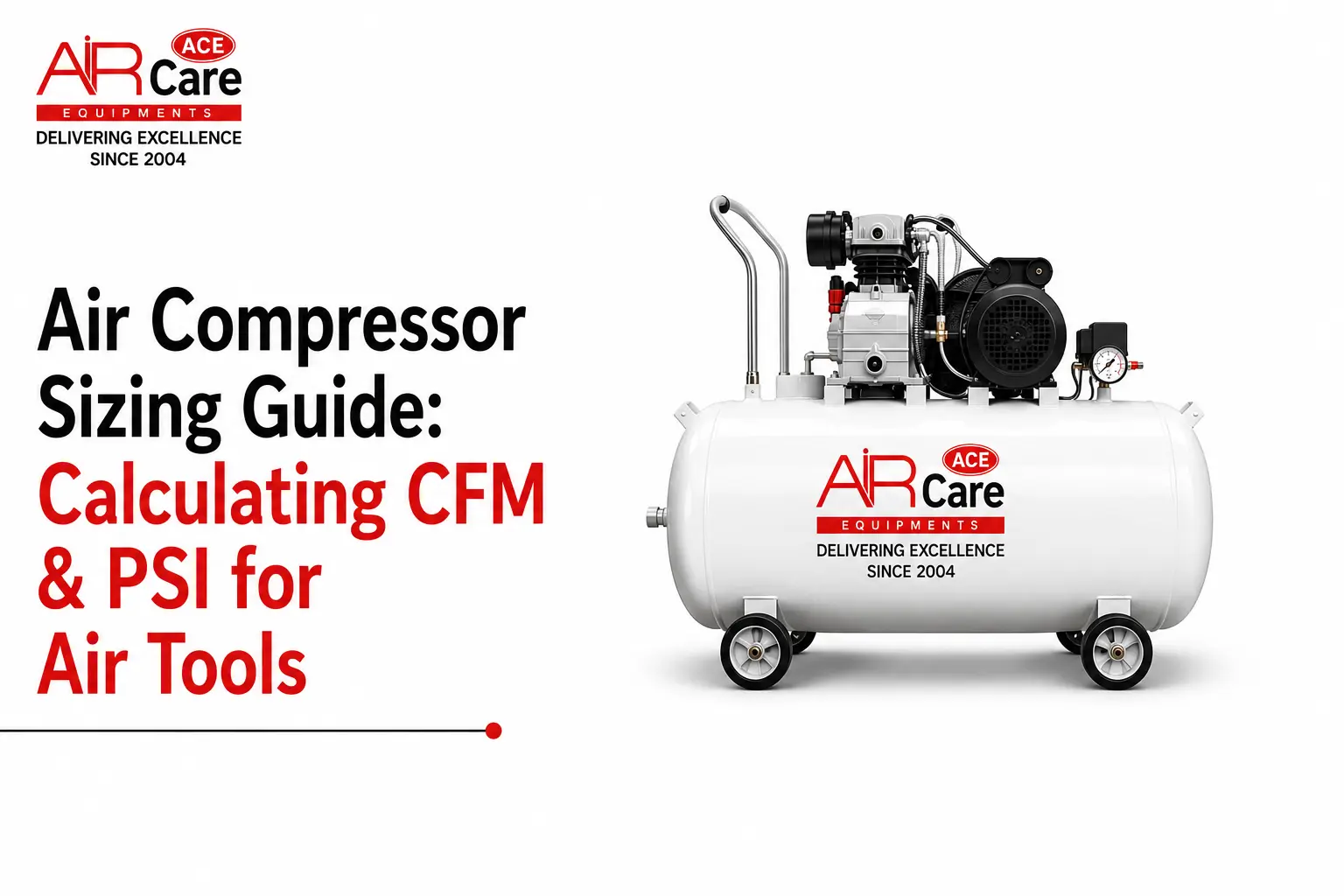
Air Compressor Buying Guide 2025: Size, Types, and How They Work
What is an Air Compressor and How Does It Work?
An air compressor is a device that transforms electrical or mechanical power into compressed air, increasing air pressure. This compacted air power tool, such as nail pistols, spray painting systems, sanders, and industrial machines. Knowing how air compressors work helps buyers choose the right size, pressure, and efficiency for their needs. The basic idea is to pull the air and squeeze it into a smaller space, which increases your energy. The most common ways to do this are with alternative piston compressors or rotary screw Compressors. The storage of this energy allows the compressor to offer strong explosions of power to demanding jobs.
Why Choosing the Right Air Compressor Matters
Choosing the right air compressor is important to keep your workshop, business, or residential projects working smoothly. This guide will lead you to points such as the use of energy, sizing, and common questions, such as "What is the size of the air compressor I need?" Whether you buy your first compressor or update, you will find tips to help you make a smart choice for 2025. Choosing the wrong size or type can cause time to be wasted, damage your tools, and waste energy. By combining your compressor with the CFM and PSI needs, you can keep your tools working well and avoid early breaks. It is also worth analyzing the compressor's work cycle and how long you expect it to last, so you have the highest value for your money.
Step-by-Step Buying Process: Find the Perfect Fit
Step 1: What Size Air Compressor Do I Need? Essential Questions to Consider
One of the first questions people ask is, “What size air compressor do I need?” Start by listing all the air tools and machines you plan to use, and check their CFM and PSI requirements. For instance, a paint sprayer might need 6-10 CFM at 40-60 PSI, while a framing nailer uses less air. Think about whether you’ll use several tools at once or might add more in the future. Portable compressors are good for jobs on the go, while stationary ones work best in workshops or factories that need steady airflow.
Step 2: Understanding Air Compressor Types and Their Features
Choosing between compressor types is crucial. The main varieties are:
-
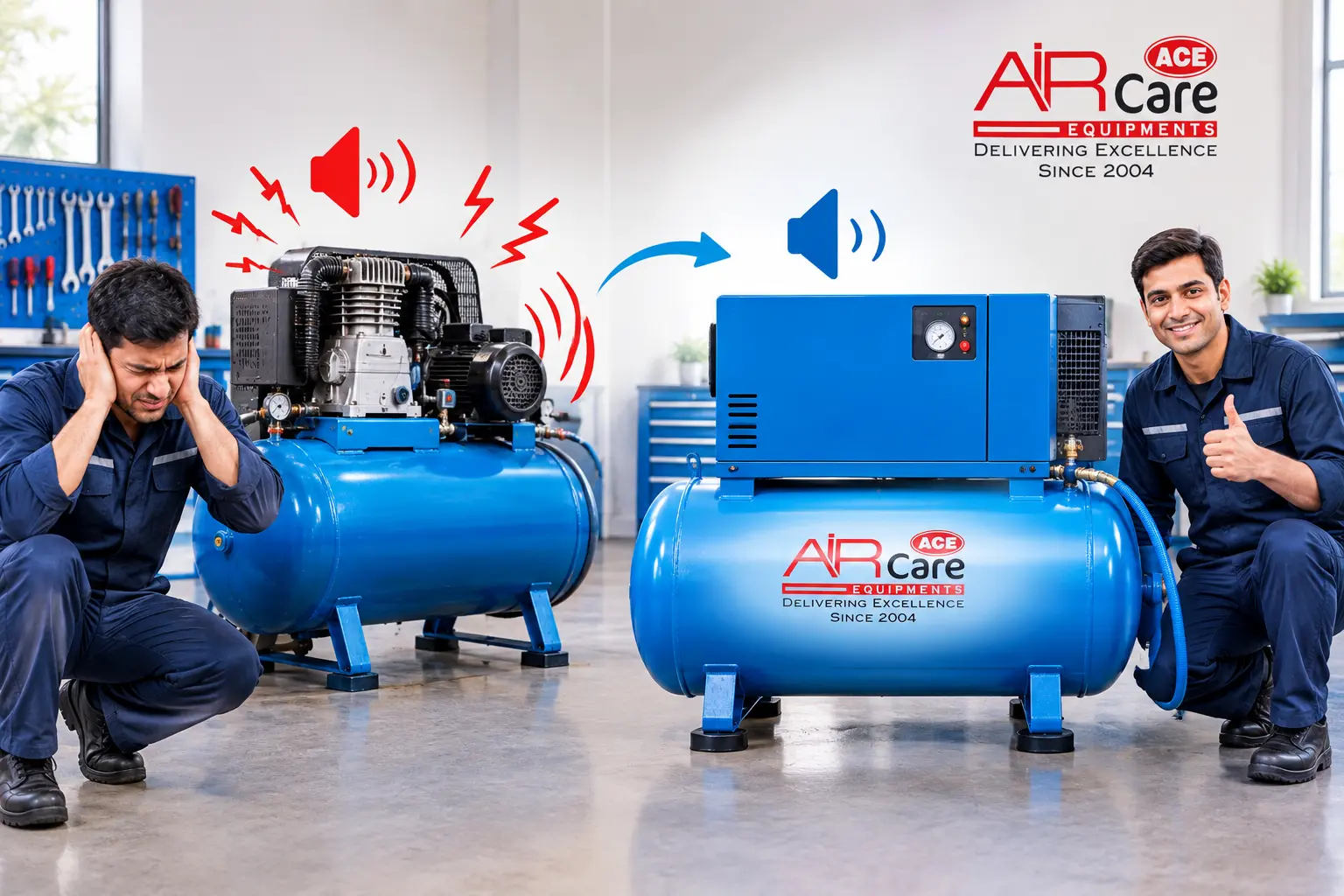
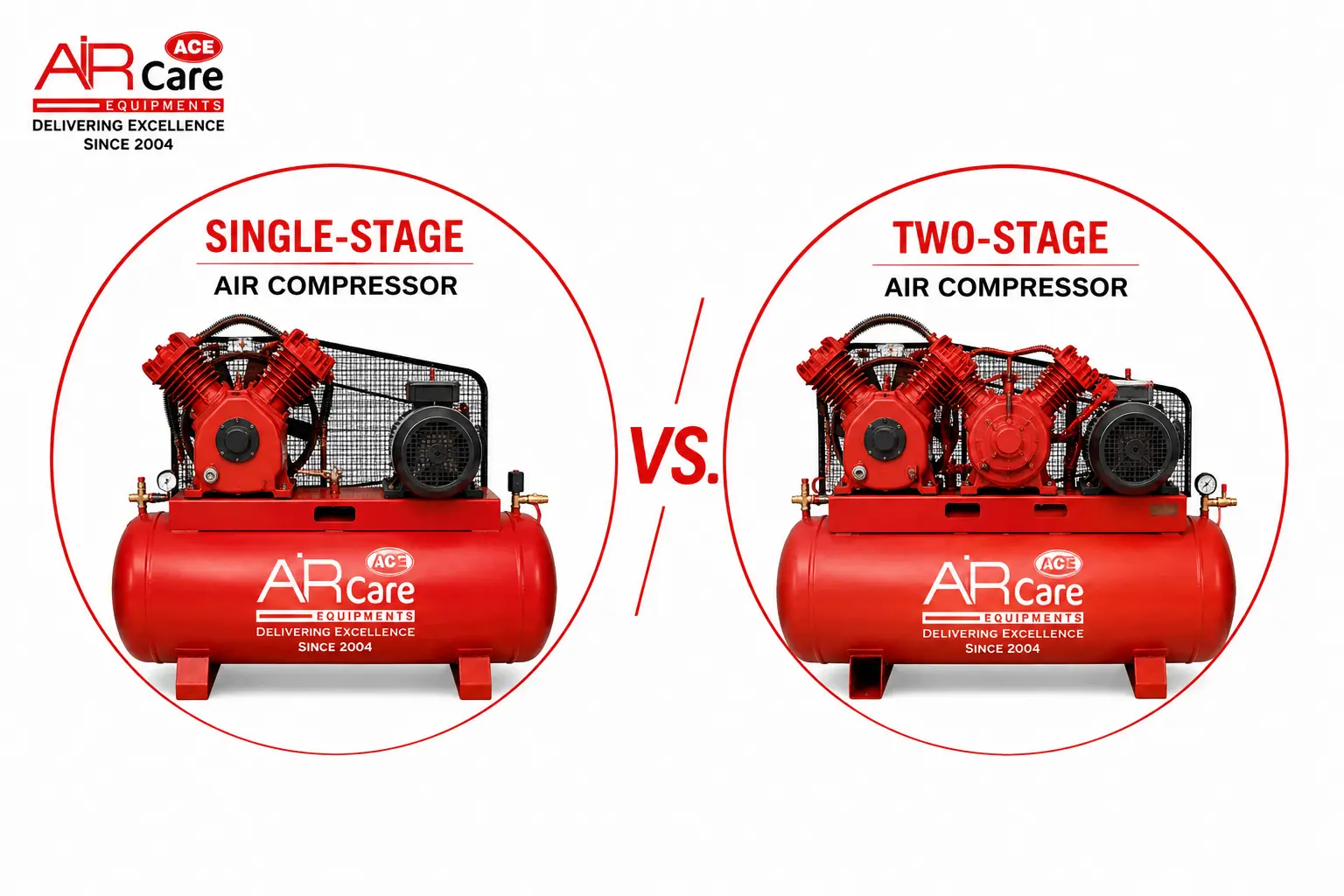
Reciprocating (Piston) Compressors: Best suited for intermittent use in small workshops. They are rugged and affordable but tend to be noisy and less efficient.
-
Rotary Screw Compressors: Provide consistent, continuous airflow for industrial and manufacturing environments. These run quieter and require lower maintenance but come at a higher upfront cost.
-
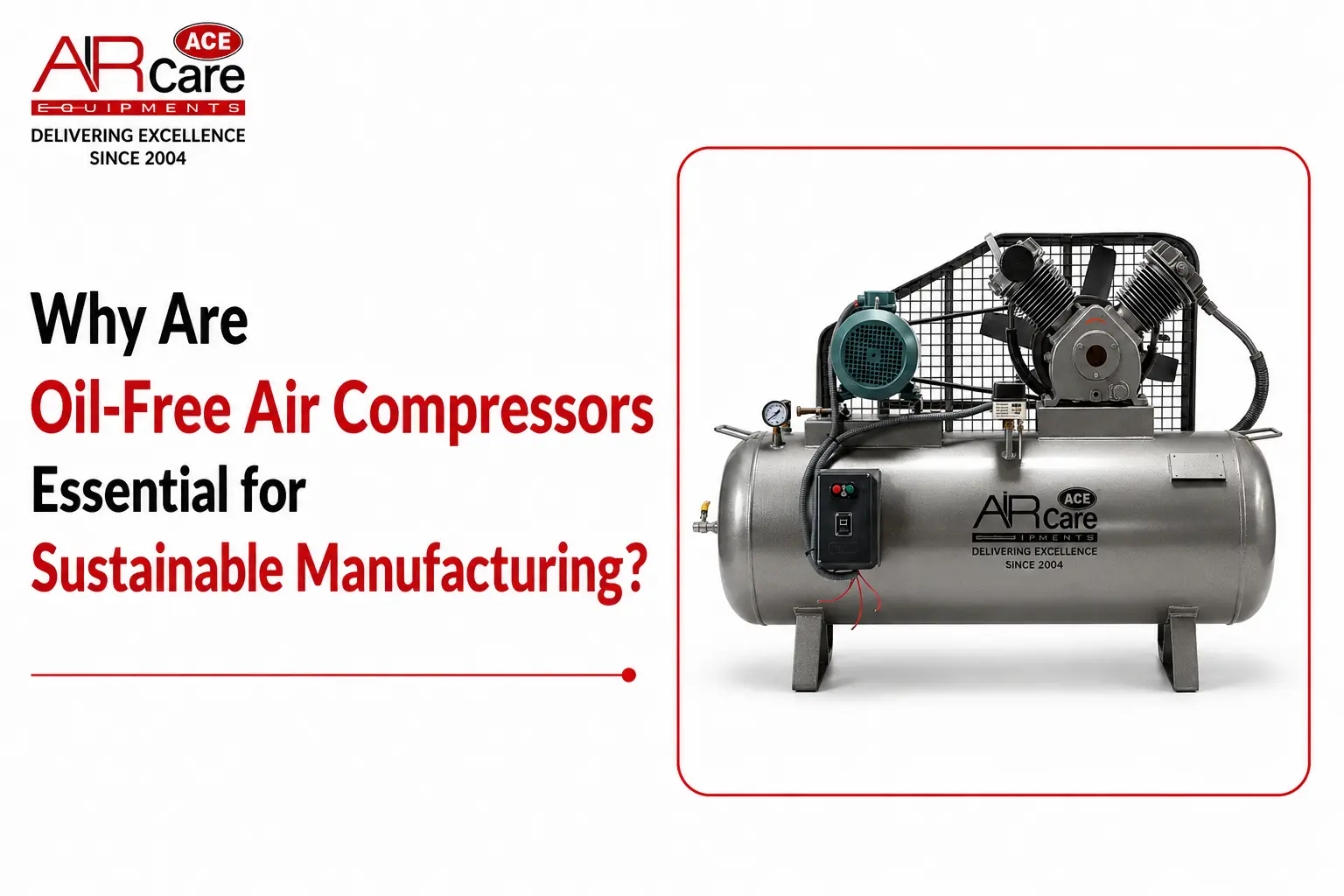
Oil-Free Compressors: Offer clean air for sensitive environments like food processing and medical applications, though with shorter maintenance intervals.
-
Oil-Lubricated Compressors: Durable and powerful for heavy-duty continuous use but require regular oil maintenance.
Knowing these helps align the compressor’s durability, noise level, and operating cost with your specific tasks.
Step 3: Selecting Based on Power: CFM, PSI, and Horsepower Explained
“CFM, PSI, and horsepower” are key specs that dictate compressor performance. CFM measures the volume of air delivered, PSI the pressure at which it is released, and horsepower the motor’s strength powering compression.
For optimized performance, select a compressor that delivers about 1.5 times the CFM your tools need at the required PSI. For instance, if your tools collectively demand 8 CFM at 90 PSI, a compressor providing 12 CFM capacity would ensure smooth operation without strain. Horsepower typically scales with CFM, but users should prioritize airflow and pressure over raw motor power.
Step 4: Choosing the Right Tank Size, Duty Cycle, and Portability
The air receiver tank acts as a buffer, storing compressed air to smooth out demand during tool use. Larger tanks reduce motor cycling, extending compressor life and maintaining consistent airflow.
Duty cycle refers to the percentage of time the compressor can run continuously without overheating—higher duty cycles (75% to 100%) suit heavy industrial use, whereas smaller cycles fit intermittent tasks.
Portability is another thing to consider. Decide if you need a compressor with wheels or handles for easy moving, or if a fixed unit is better for long-term use. Many tradespeople like compact, portable models, while stationary compressors are a good fit for manufacturing and auto shops.
Step 5: Must-Have Accessories and Preventing Moisture Damage
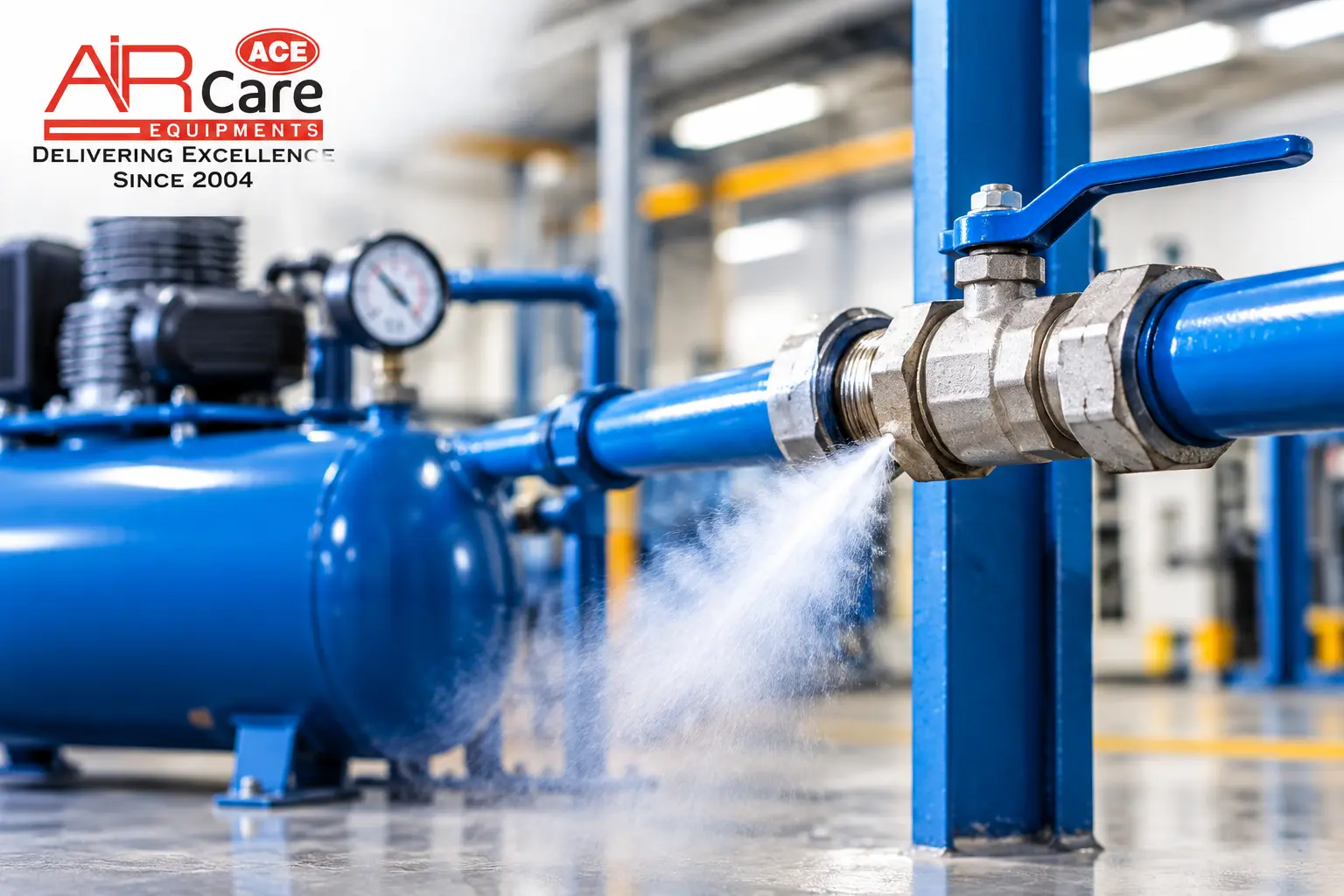
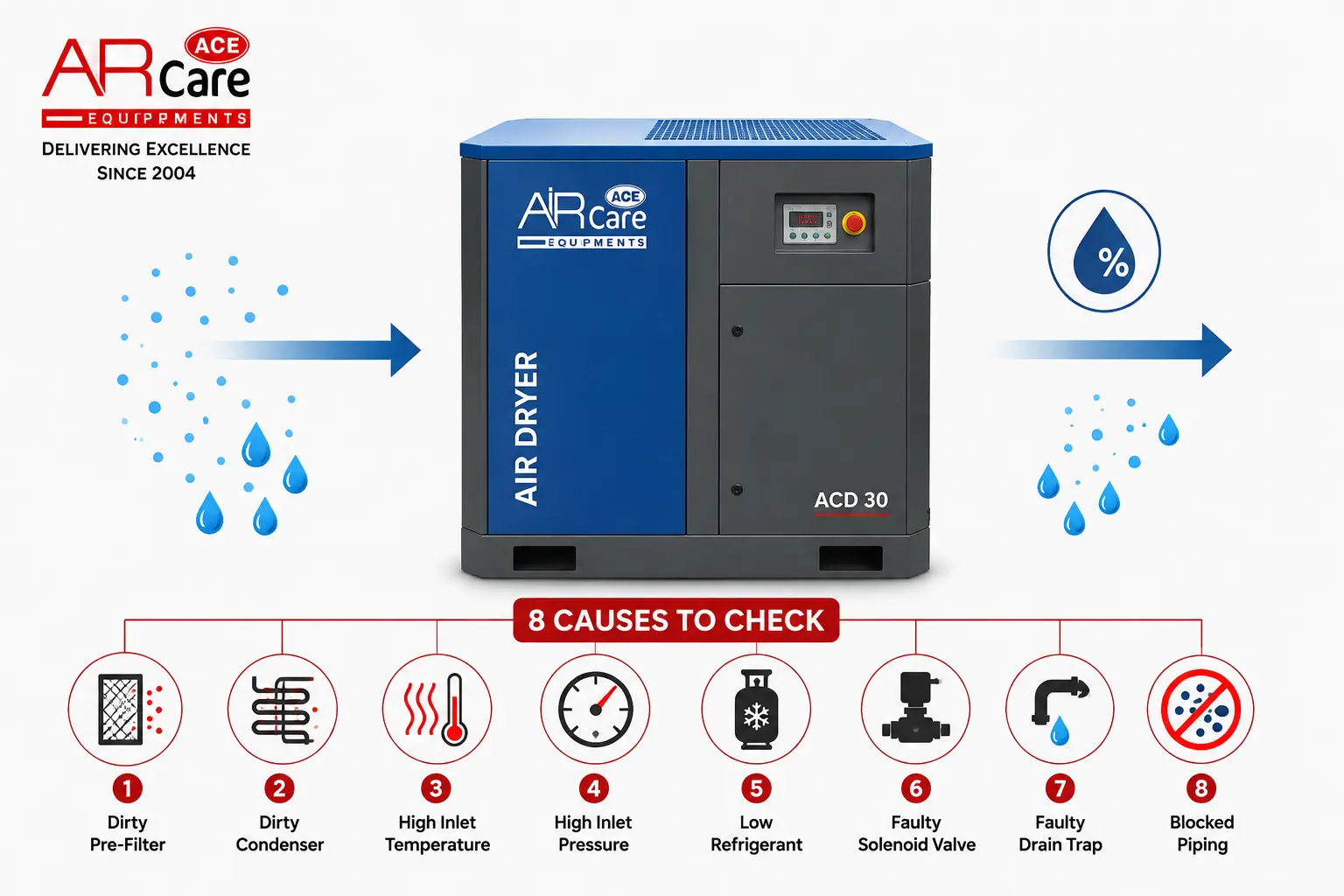
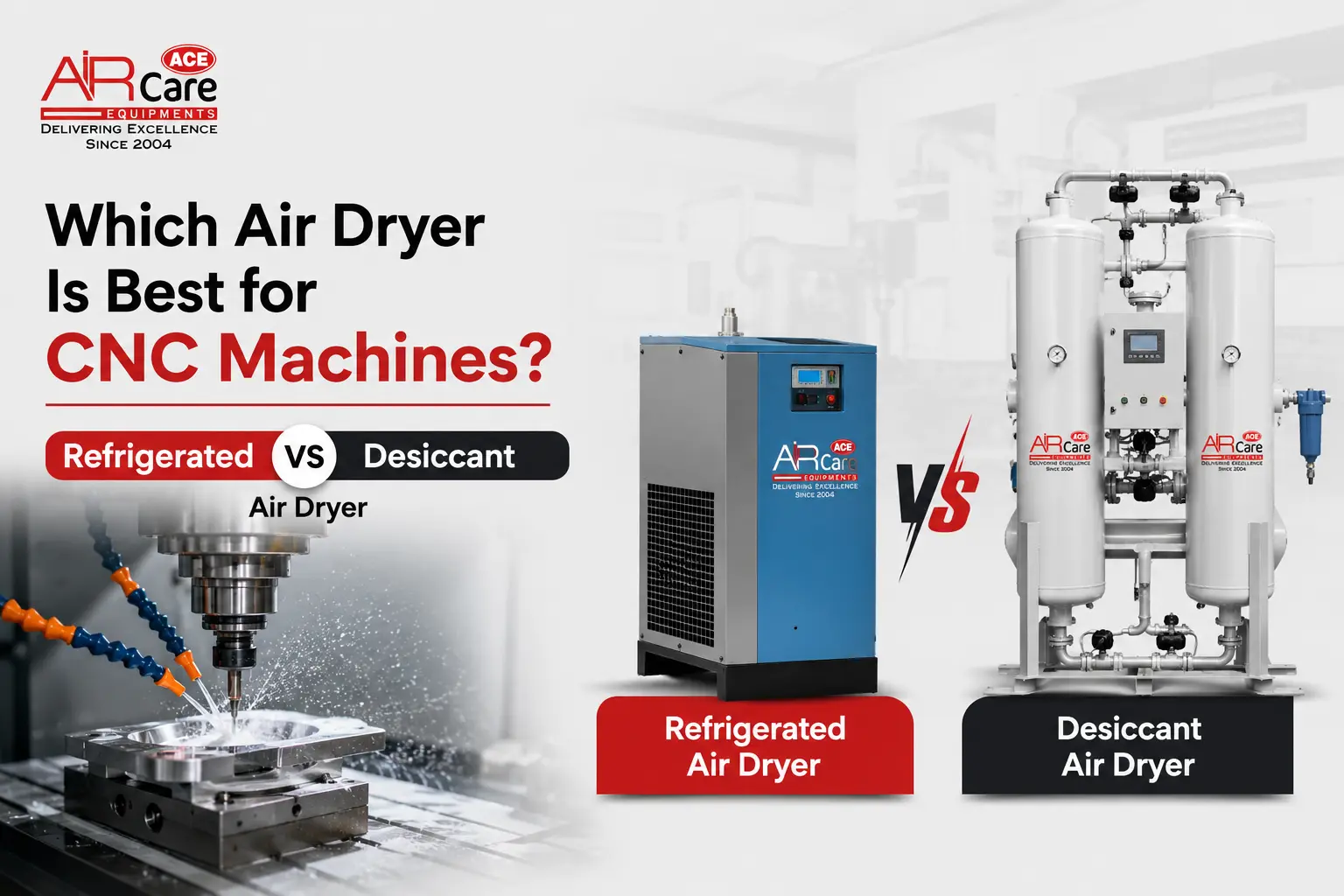
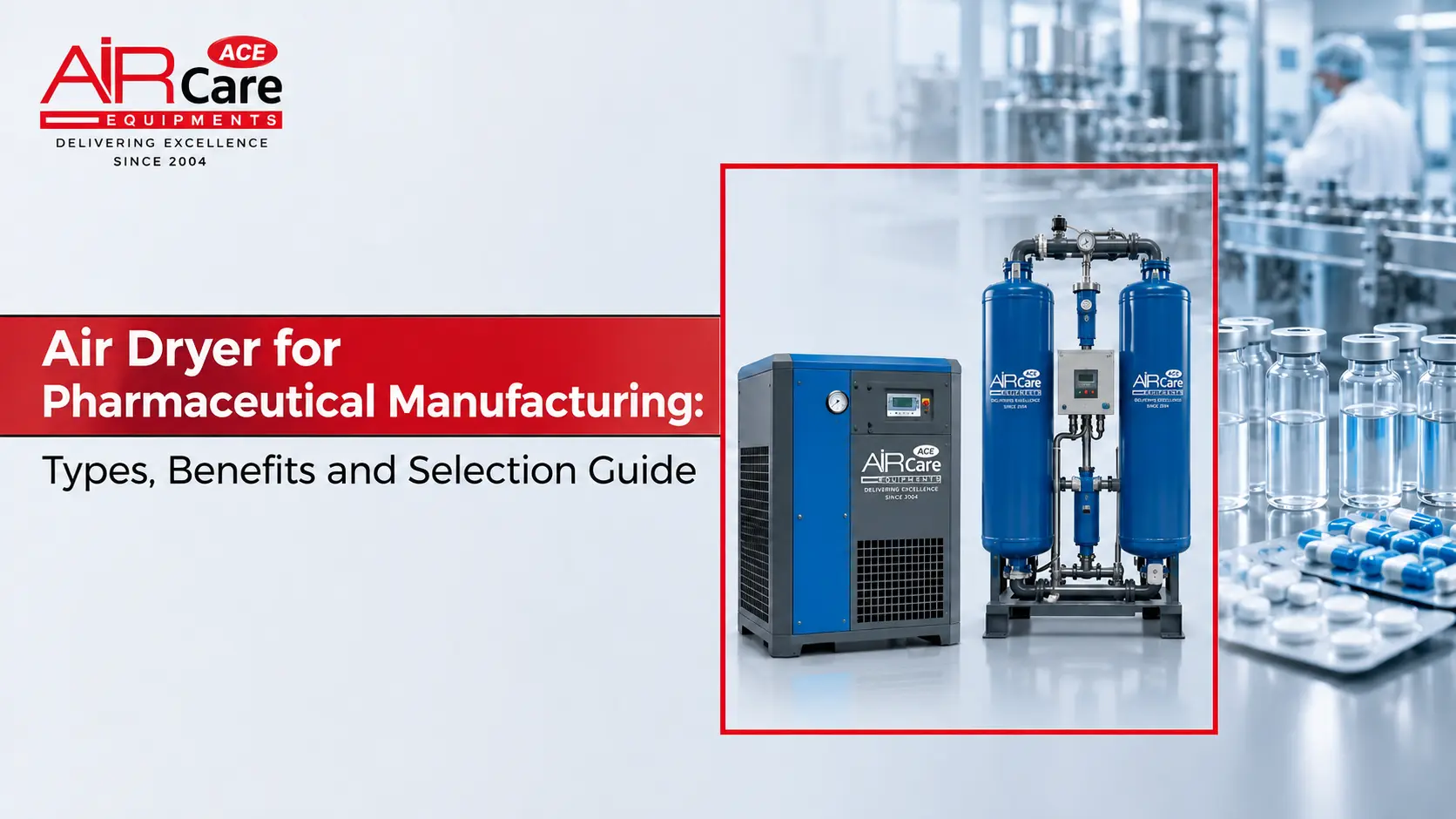
Moisture in compressed air is a silent enemy, causing rust, corrosion, and tool damage. Installing moisture separators, refrigerated air dryers, and micron filters improves air quality and tool longevity. These accessories have gained increasing search interest due to stringent quality demands in manufacturing and finishing processes. Newest innovations include smart dryers and real-time moisture monitoring integrated with compressor systems.
Step 6: Popular Air Compressor Brands and Models in 2025
Top brands offer a range of compressors tailored for tasks from home DIY to heavy-duty industrial processes. Air Care Equipment stands out with India-manufactured screw and reciprocating compressors noted for durability, energy efficiency, and compliance with international standards. Their customer-first approach includes annual maintenance contracts and expert consultation, ensuring long-term reliability.
Step 7: Maintenance and Total Cost of Ownership
Proper maintenance, such as regular oil exchanges, filter substitutions, and system inspections, is essential. Many users neglect this, leading to premature compressor failures and expensive repairs. Investing in an annual maintenance contract (AMC) can protect your health from your compressor.
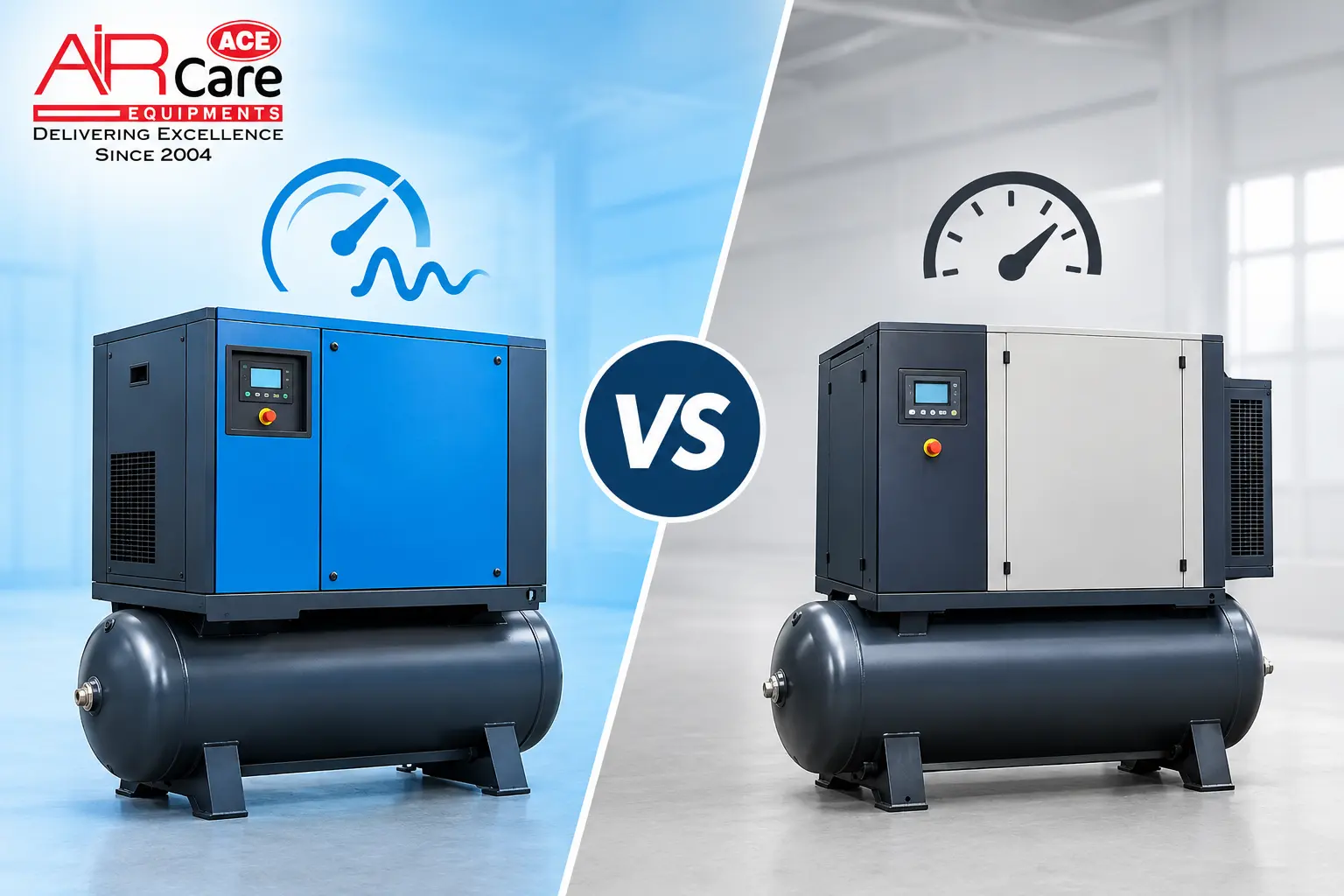
Energy-efficient compressors with variable speed units not only reduce electricity accounts, but also extend equipment life, a major concern for commercial buyers who want to reduce operating costs. Consider these operating costs, not just the initial purchase price, in the budget.
Comparison of Popular Compressor Types
|
Compressor Type |
Best Suited For |
Pros |
Cons |
|
Reciprocating |
Small workshops, intermittent |
Affordable, reliable |
Noisy, less efficient |
|
Rotary Screw |
Continuous industrial use |
Quiet, efficient, durable |
Higher price point |
|
Oil-Free |
Food, medical industries |
Clean air, minimal contamination |
More frequent maintenance |
|
Oil-Lubricated |
Heavy-duty manufacturing |
Robust, long service life |
Needs oil management |
Common Air Compressor Mistakes to Avoid
-
Many buyers under-size their compressor, neglect moisture control, or skip proper maintenance.
-
Beware of choosing models based purely on price without considering power needs and the long-term cost of ownership.
-
Avoiding these frequent mistakes ensures dependable performance and protects your investment.
Trending Innovations and Smart Features in 2025
Smart compressors integrating IoT technology allow remote monitoring, predictive maintenance, and alerts on performance drops. Variable speed drives optimize energy use, and noise reduction technology creates quieter working environments, features increasingly searched by buyers aiming for future-ready compressors.
Conclusion: Make The Right Choice Today
To answer definitively, “What size air compressor do I need?” analyze your tools’ CFM and PSI, consider usage patterns, and prioritize energy efficiency and maintenance support. With proper sizing, informed selection, and trusted brands like Air Care Equipment, you’ll enjoy reliable, efficient compressed air power for years to come. Contact their experts to get professional advice tailored to your exact needs.
FAQs
Q1 What size air compressor do I need for my home workshop?
For home use, choose an air compressor that meets the highest CFM (cubic feet per minute) and PSI (pounds per square inch) requirements of your tools. Typically, compressors with 4-8 CFM at 40-60 PSI and tank sizes of 6-20 gallons work well for DIY and small projects like inflating tires, using nail guns, or spray painting.
Q2 How do I calculate the air compressor size needed for multiple air tools?
Add the CFM requirements of all tools you plan to run simultaneously, then multiply the sum by 1.5 as a safety margin. Ensure the compressor can meet or exceed this airflow at the required PSI. This method helps prevent undersizing and ensures consistent performance.
Q3 What is the difference between oil-free and oil-lubricated air compressors?
Oil-free compressors use sealed components and require less maintenance, making them ideal for indoor, medical, or food-grade applications. Oil-lubricated compressors offer better durability and efficiency for heavy-duty and continuous industrial use but require regular oil changes.
Q4 Why is moisture control important in compressed air systems?
Moisture can cause corrosion, damage pneumatic tools, and negatively impact product quality in finishing and manufacturing. Using accessories like moisture separators and air dryers extends tool life, improves air quality, and ensures reliable operation.
Q5 Can I use a portable air compressor for industrial applications?
Portable compressors are suitable for mobile or lightweight tasks but may lack the capacity and duty cycle needed for heavy industrial applications requiring continuous airflow. For high-demand industrial use, opt for stationary and higher-capacity compressors.
Recent Posts