What Are Air Compressors and Their Fundamental Types?
When you strip away the mechanics, an air compressor's job is simple but vital: it converts stored electrical or kinetic energy into potential energy in the form of pressurised air. This air powers everything from hand tools on a factory floor to critical processes in pharmaceutical labs. The choice between an oil-free system and an oil-injected system determines not just how the air is compressed, but how clean the final output is, and what your long-term maintenance bills will look like.
At Air Care Equipments, we understand that selecting the wrong compressor can be costly, leading to product contamination or inefficient energy use. We aim to guide you through this critical selection process, ensuring the equipment you choose meets both your performance needs and your budget.
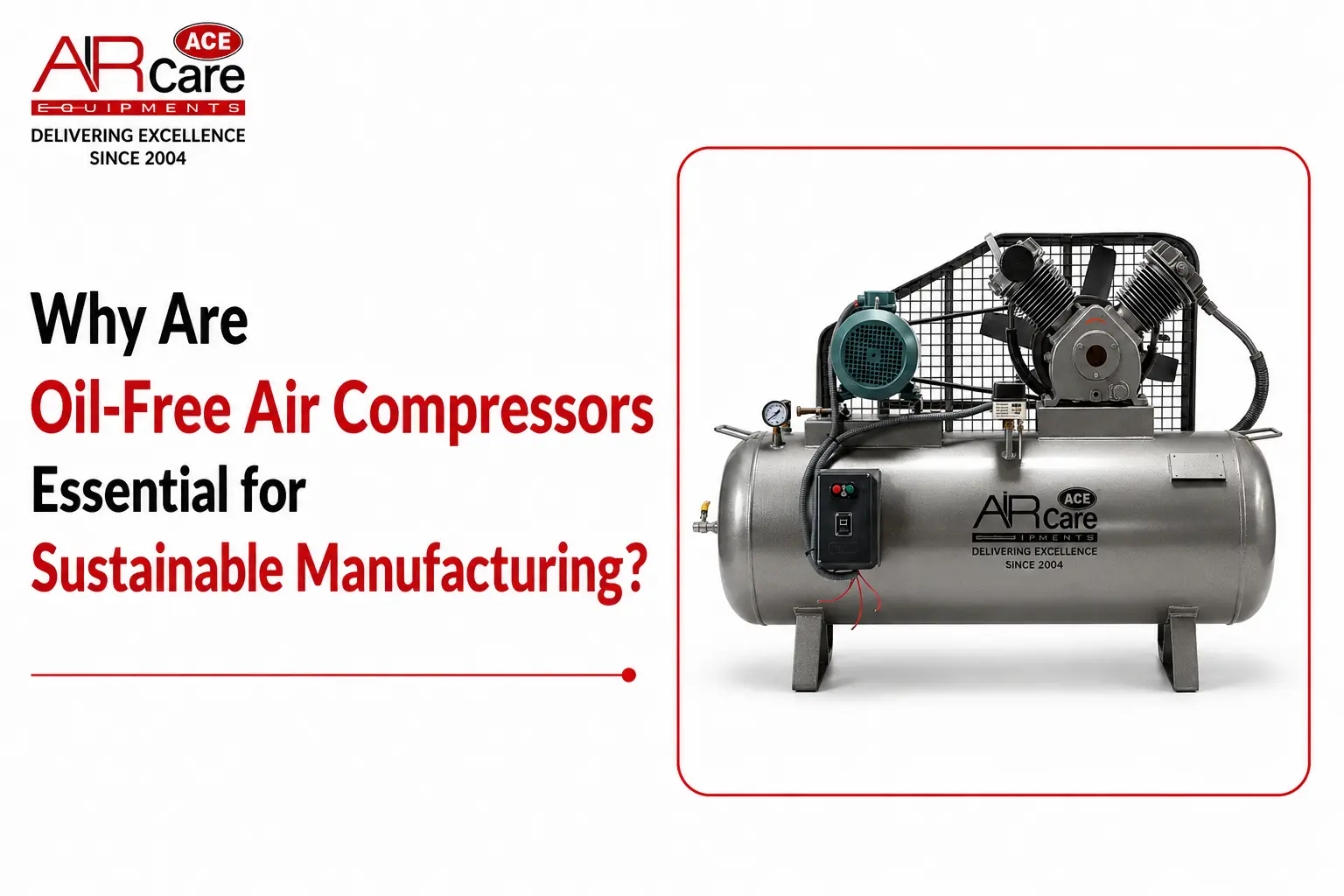
- Oil-Free Compressors: In an oil-free system, no lubricant is introduced into the compression chamber. Instead, the moving parts (like pistons or rotors) are often coated with materials like PTFE (Teflon) or rely on sealed bearings. This design guarantees that the air leaving the chamber is free from oil vapour contamination.
- Oil-Injected (Lubricated) Compressors: These are the industry workhorses. Oil is deliberately injected into the compression chamber where it serves three key roles: it lubricates the moving components, seals the compression process for maximum efficiency, and, most importantly, dissipates heat generated during compression.
What Are the Key Performance Differences and Contaminant Risks?
The difference between these two technologies goes far beyond the lubricant itself, impacting four major operational factors:
- Air Quality (The Decisive Factor): For applications where even a trace amount of oil would ruin the end product (e.g., spraying automotive paint or packaging food), oil-free is non-negotiable. It offers a purity guarantee, often complying with the stringent ISO 8573-1 Class 0 standard. Oil-injected systems produce compressed air that must pass through expensive coalescing filters to remove residual oil, and even then, zero contamination can rarely be guaranteed.
- Capital Expenditure (CAPEX): Because oil-free compressors require high-precision engineering and specialised coatings to compensate for the lack of lubricant, their initial purchase price (CAPEX) is typically higher than comparable oil-injected models.
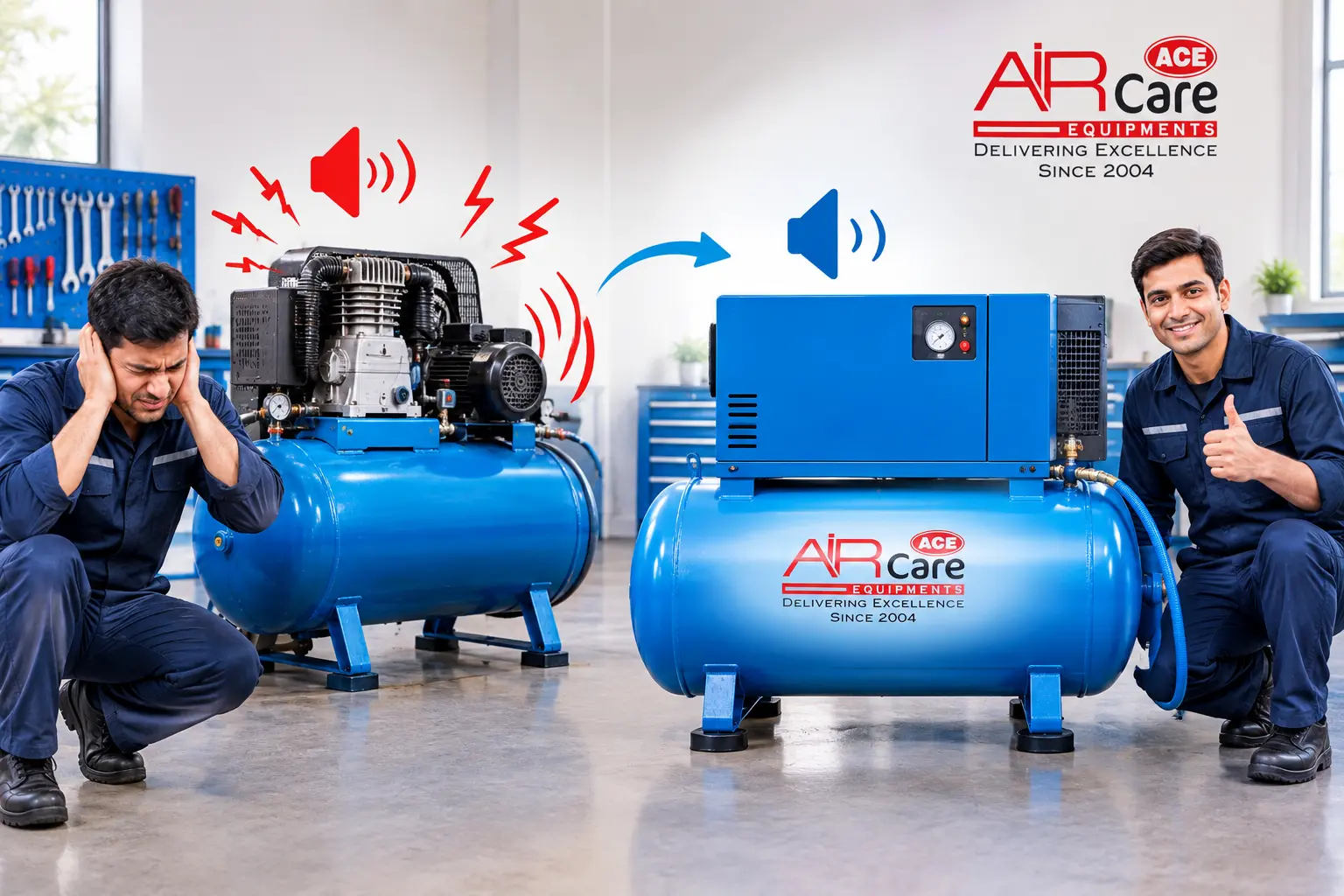
- Noise Levels (Decibel Comparison): Oil-injected rotary screw designs, where the oil acts as a sound-dampening cushion, are often surprisingly quiet. Oil-free compressors, particularly piston-based models, can be significantly louder as there is no fluid to absorb the mechanical sound, making acoustic enclosures a necessity.
- Maintenance Complexity and Cost (OPEX): Oil-free systems require less frequent maintenance labour since there is no oil to change or manage. However, when parts do fail, the specialised coatings and components are often more expensive to replace. Oil-injected systems have recurring costs for oil changes, oil filter replacements, and management of oil-laden condensate.
Why Should I Choose an Oil-Free Compressor?
You choose oil-free when air quality and regulatory compliance are your top priorities.
- Primary Benefits:
- Guaranteed Class 0 Air Quality: Eliminates the risk of costly product recalls or batch spoilage due to oil contamination.
- Environmental Impact: Easier waste disposal since there is no oil or oil-contaminated condensate to manage.
- Lower Long-Term Maintenance Labour: Fewer fluid checks and changes translate to reduced staff time spent on routine servicing.
- Common Drawbacks:
- Shorter component lifespan because friction is higher without constant lubrication.
- Generally lower overall energy efficiency compared to their oil-injected counterparts.
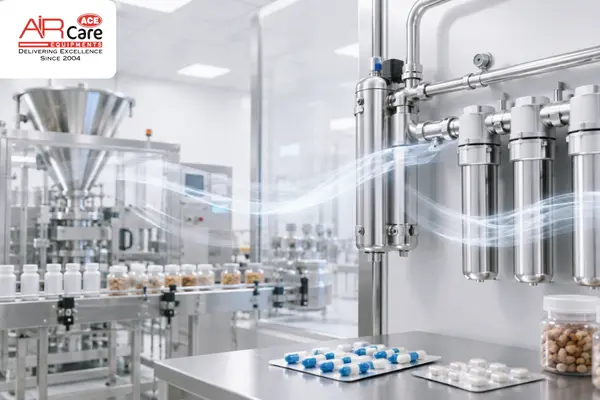
- Best Use Case Scenarios: If your compressed air touches the product or the end-user, oil-free is your only sensible choice: Pharmaceuticals, Food & Beverage, and Medical/Dental facilities.
Why Should I Choose an Oil-Injected Compressor?
You choose oil-injected when efficiency, durability, and high-volume output are more important than absolute air purity.
- 4.1. Primary Benefits:
- Superior Efficiency: The oil acts as a perfect seal, minimising blow-by and requiring less energy to compress the air.
- Excellent Heat Dissipation: Oil cools the air during compression, reducing operational temperature and thermal stress on components.
- Longer Component Lifespan: Continuous lubrication drastically reduces wear and tear on rotors and bearings.
- Common Drawbacks:
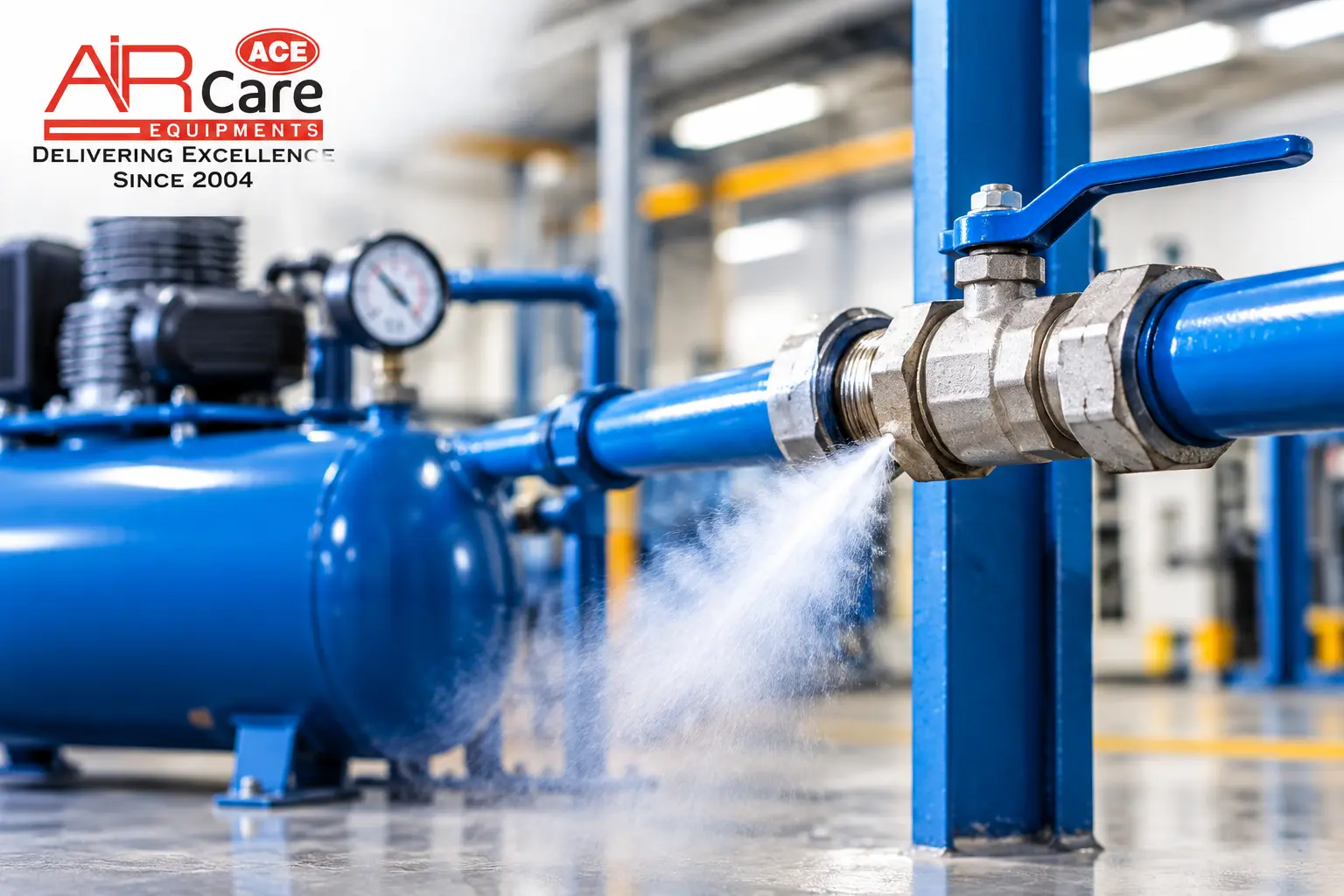
- Constant risk of air contamination unless paired with expensive, high-maintenance filtration and drying equipment.
- Complex oil disposal regulations and condensate management.
- Best Use Case Scenarios: Oil-injected systems are best for heavy-duty applications where air quality is manageable via filtration: General industrial manufacturing, automotive service, and high-volume utility applications.
How Do I Decide Between an Oil-Free and Oil-Injected Compressor?
To move past surface-level comparisons, ask yourself these three critical questions:
- Is ISO 8573-1 Class 0 Air a Regulatory Requirement? If any regulatory body mandates oil-free air for your application, the decision is made. You must go oil-free.
- How Does Total Cost of Ownership (TCO) Compare Over 5 Years? Don't just look at the purchase price. Factor in the long-term energy consumption (where oil-injected often wins) versus the cost of specialised filtration, replacement parts, and fluid disposal (where oil-free often wins).
- What is the Required Duty Cycle? If your compressor needs to run continuously at a high load, the excellent cooling and durability of an oil-injected system make it a better fit. Intermittent or light-duty use is manageable for an oil-free unit.
How Can Air Care Equipments Meet My Specific Air Needs?
At Air Care Equipments, we don't believe in one-size-fits-all solutions. We utilise the strengths of both technologies to deliver optimised results for our clients.
Our oil-free line features advanced rotor coatings and high-efficiency drives to minimise the energy penalty usually associated with these units, ensuring compliance for even the most stringent cleanroom environments.
We design our oil-injected compressors for maximum output and durability. They utilise proprietary oil separation technologies that dramatically reduce oil carryover, minimising the strain on downstream filtration systems and extending component lifespan.
We pair our compressors with customised air treatment solutions (like refrigeration and desiccant dryers) and offer transparent, guaranteed maintenance plans to help you calculate an accurate Total Cost of Ownership from day one.
Final Verdict and Next Steps
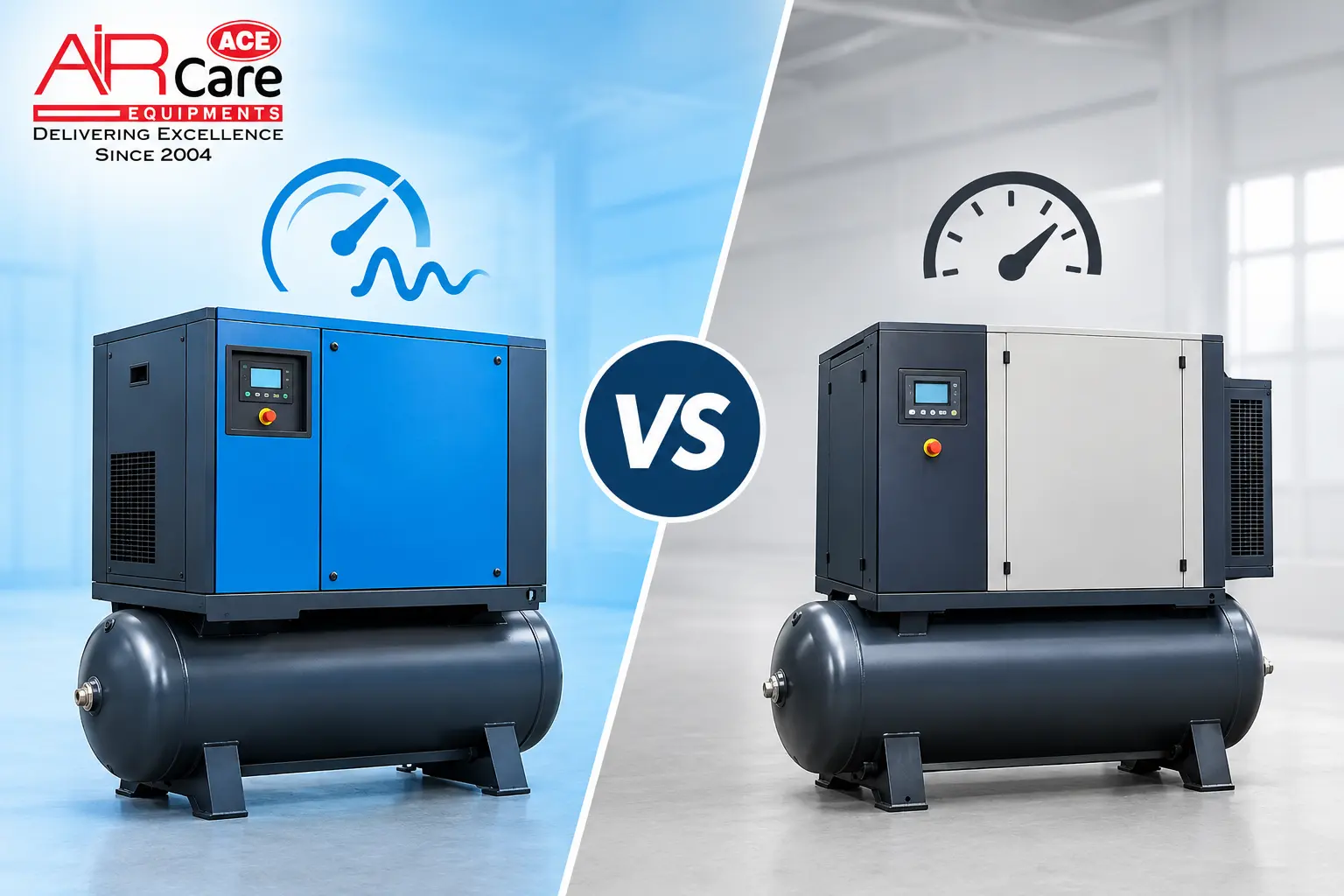
The critical takeaway is that you're choosing between efficiency and longevity (Oil-Injected) and absolute air purity (Oil-Free). Your industrial application, regulatory environment, and budget for filtration will ultimately dictate the path forward. Don't leave this choice to guesswork. Contact Air Care Equipments today to ensure your selection perfectly matches your operational demands and purity standards, guaranteeing maximum uptime and compliance.
FAQs
Q1 Can oil-injected air be filtered to ISO Class 0 purity?
While high-quality coalescing filters can remove nearly all oil aerosols, they cannot guarantee Class 0 purity (zero measurable oil). This standard requires an inherently oil-free compression process, as filters can eventually saturate or fail.
Q2 Which type is more energy efficient?
Generally, an oil-injected rotary screw compressor is more energy efficient because the oil provides a better seal against air leakage during compression. However, this marginal energy saving must be weighed against the higher recurring costs of oil and filter maintenance.
Q3 Are oil-free compressors always quieter?
No, in fact, they can often be louder than oil-injected models because the oil in the latter acts as an effective sound dampener. If noise is a concern, modern compressors of either type require proper acoustic enclosures.
Q4 What is the primary cause of downtime for each type?
For oil-free units, the primary cause is wear and tear on the specialised, uncoated components. For oil-injected units, downtime is most often related to oil management issues, such as oil separator failure or insufficient maintenance scheduling.
Q5 What does "Duty Cycle" mean, and how does it affect my choice?
The duty cycle is the ratio of operating time to idle time. Continuous, heavy-load operation generates intense heat. Oil-injected compressors are better suited for a high duty cycle because the lubricating oil provides superior heat removal compared to a dry-running oil-free unit.
Recent Posts